Singapore Swallowing Specialists (SSS) network has just released their very first swallowing therapy video on Chin Tuck Against Resistance (CTAR) by using the rubber ball (Series 1). We plan to produce more series on CTAR and other swallowing therapy exercises / strategies and translate all the videos to different languages from around the world. SSS hope to reach out to benefit more people worldwide.
The following is the CTAR exercise instructions. You may download a PDF copy of this instructions at the bottom of this page.
For clinicians, you may download the above QR code and print it on your exercise handouts to facilitate clients’ search for the above YouTube Video.
Chin Tuck Against Resistance (CTAR) with a Rubber Ball
Purpose: To strengthen the suprahyoid muscles used in swallowing. The suprahyoid muscles are important to open your upper food pipe sphincter (upper esophageal sphincter) to allow food to enter your stomach.
Equipment: a)Rubber ball, b)Air pump and ball pump needle valve (optional) – to increase diameter and pressure of the ball
Instructions:
Part 1: Sustained CTAR (Isometric)
Sit / stand upright and pull your shoulders back. Maintain this posture during the exercise.
Hold the ball under your chin with your hand and keep it in position during the exercise.
Sustain chin tuck against the ball for as hard as possible; for the duration of _______ sec.
Repeat _______ sets as recommended by your speech therapist / pathologist.
Rest for 1 minute in between each set of the exercise.
Part 2: Repetitive CTAR (Isokinetic)
Sit / stand upright and pull your shoulders back. Maintain this posture during the exercise.
Hold the ball under your chin with your hand and keep it in position during the exercise.
Tuck your chin in, as hard as possible against the ball; then lift your chin.
Repeat the above steps for ________ times and ________ sets as recommended by your speech therapist / pathologist.
Rest for 1 minute in between each set of the exercise.
Click on the following to download the exercise instructions and/or the QR code to access the YouTube video:
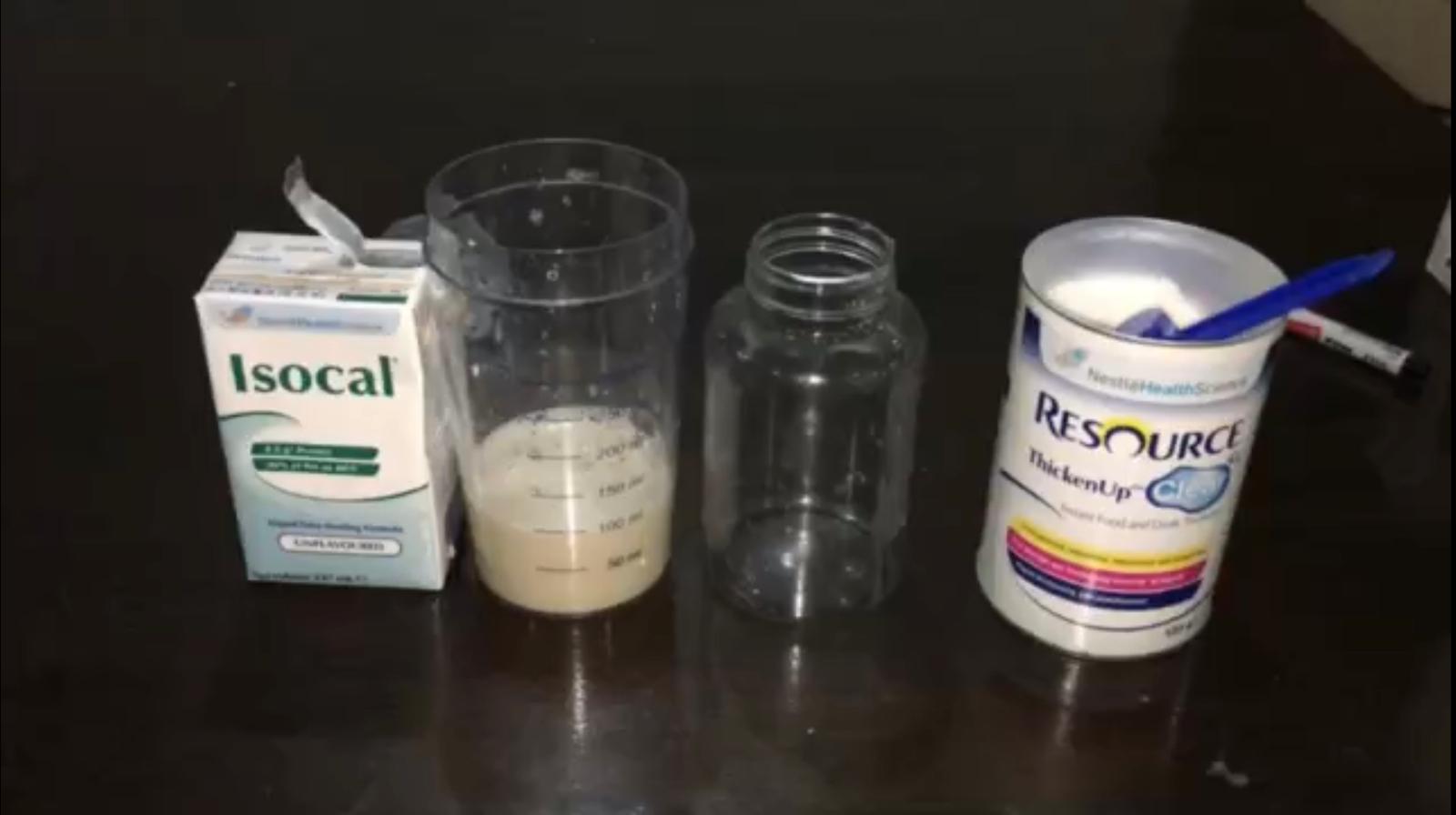
Thickening of Resource 2.0 to honey consistency with Nestle Resource ® ThickenUp® Clear
Speech therapists / pathologists in Singapore and around the world assess swallowing with different fluids or diet consistencies. Once the swallowing assessment is carried out, speech therapists will usually prescribe diet and fluids consistencies that are suitable / safer based on the assessment findings. When thickened fluids are recommended, caregiver training on thickening of fluids to the recommended consistency will usually be performed.
One of the common challenges faced by many speech therapists, nurses and caregivers is thickening of nutritional supplement with thickener. I did a search online and found out from the Resource ® ThickenUp® Clear official website (https://www.thickenupclear.com/products/resource-thickenup-clear) that it takes milk and oral nutrition supplements up to 15 minutes to reach desired consistency. It is just too time consuming to prepare thickened supplement.
I might have a way to speed up the thickening of nutritional supplements!
Many years ago, I did a project for a nutritional company in Singapore on thickening of nutritional supplement using Xanthan gum thickener (the brand that I was using in the project was Nestle Resource ® ThickenUp® Clear). I came out with the following “Manual Shake” method to thicken up the nutritional supplement (** However, this method does not work on fruit juice-based supplement). I did a quick search on google but could not find any and not sure if any speech therapists / any institutions in the world are using this method.
We have used this method to thicken up supplement in some hospitals and it has successfully reduced the timing of thickened supplement preparation time. With this method, thickening of supplement process can be achieved within 2 minutes. The thickened supplement remains stable even after 10 minutes. In the following videos (taken in 2015), I show the process of thickening of Nestle Resource 2.0 and Nestle Isocal to honey consistency (moderately thick consistency) and the consistency remains stable after 5 minutes or longer. For Nestle Resource 2.0 and Nestle Isocal, I followed the thickener dosage as listed on Nestle Resource ® ThickenUp® Clear can or dosage chart: https://www.thickenupclear.com/products/resource-thickenup-clear
You can try to use this ‘Manual Shake’ method to thicken up other nutritional supplement but the thickness might vary. I would suggest to trial and error to find out the amount of thickener required for the nutritional supplement(s) that you are using in your hospital. For patient(s) who intend to use this method to thicken up your supplement, please consult your speech therapist/pathologist for advice on the consistency and the amount of thickener powder that might be required.
As the video was done in 2015, I did not do an IDDSI (International Dysphagia Diet Standardization Initiative) flow test on the texture. We just started following IDDSI standard in Singapore and we are planning to conduct another research on this soon. For speech therapists, or dietitian or healthcare professionals who would like to ensure that the texture meet the IDDSI standard, I would suggest that you perform your own IDDSI flow test and I would be grateful if you could share with me or others. You may email me at speechtherapyworks@gmail.com and I would be most happy to post it on my blog.
I collaborated with the nurses in St Luke’s Hospital, Singapore to run a project on thickening of nutritional supplement and the project won 2 quality improvement award and the research poster was presented the International Forum on Quality and Safety in Healthcare, Taipei in 2019.
Jose, R., Rendom, J., Yoon, W.L., Abillar, L., Low, P.S., Su, A.Q., (2019 September). New Practices in Thickener Mixing for Effective Care. Poster session presented at c
Awarded:
Agency for Intergrated Care (AIC) Quality Improvement Award (2018)
St Luke’s Hospital Clinical Quality Improvement Merit Award (2017)
Here are the steps to thicken up nutritional supplement (non-juice based supplement):
Measure the amount of supplement in a measuring bottle (I would recommend to use a measuring bottle or cup with cover that allows you to shake and serve / drink from)
Mix the amount of thickening powder (Xanthan Gum) required as your stir the supplement.
Yes, the way I mix it is different as compared to the method recommended by Nestle Resource ® ThickenUp® Clear. Either way of mixing is fine. The reason I mix it the way I did was because it is not easy to ensure that the cup is always dry and pouring in thickener powder into wet cup might cause clump formation.
Cover the bottle / cup and shake it for approximately 2 minutes. *You will feel the gradual thickening up and the slowing of flow of the supplement as your shake the mixture.
Open up the cover and serve / drink. Please ensure safety in drinking the thickened supplement by following the strategies that have been recommended by your speech therapist/pathologist.
I hope you will find this ‘manual shake’ supplement thickening method useful. Please like and share with your friends and others so that the information will reach to those who might needs it.
Thickening of Resource 2.0 to honey consistency with Nestle Resource ® ThickenUp® Clear
Thickened Isocal and Resource 2.0 remain stable after more than 5 minutes
Disclaimer: When choosing food thickeners or nutritional supplements/beverages, please consult with your speech therapist/pathologist or dietitian or health care professional as to what product is appropriate for your individual needs, as consistencies vary between nutritional supplements and manufacturers. As this method is not tested using IDDSI method, health care professionals who would like to adopt this method are encouraged to perform IDDSI flow test to ensure that the thickened supplement(s) of different brands meet the standard.
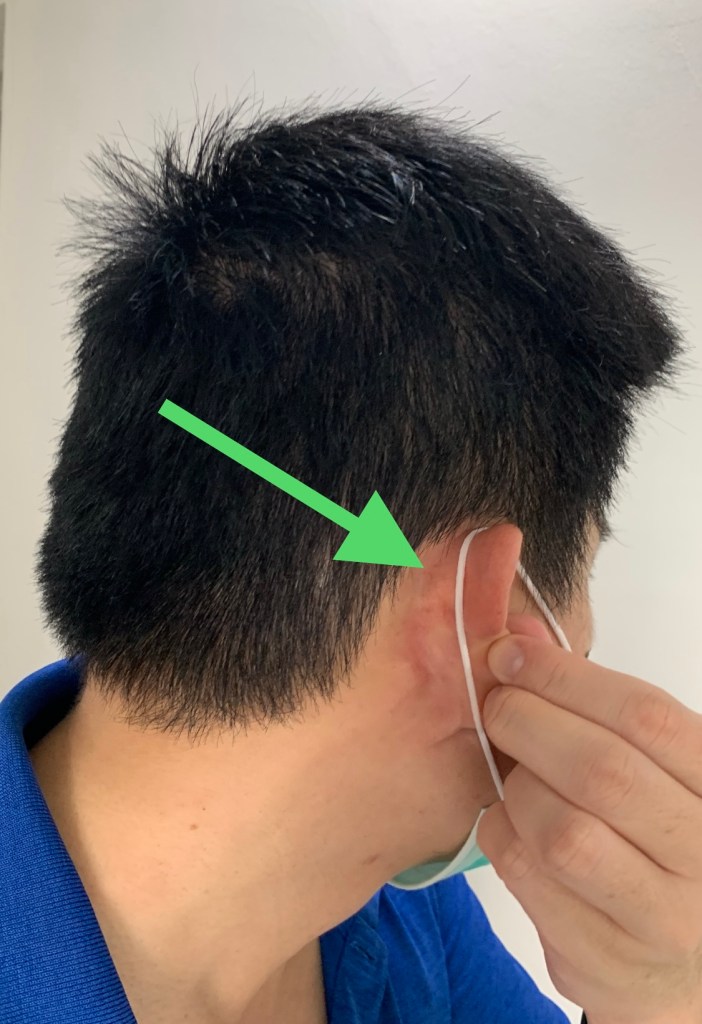
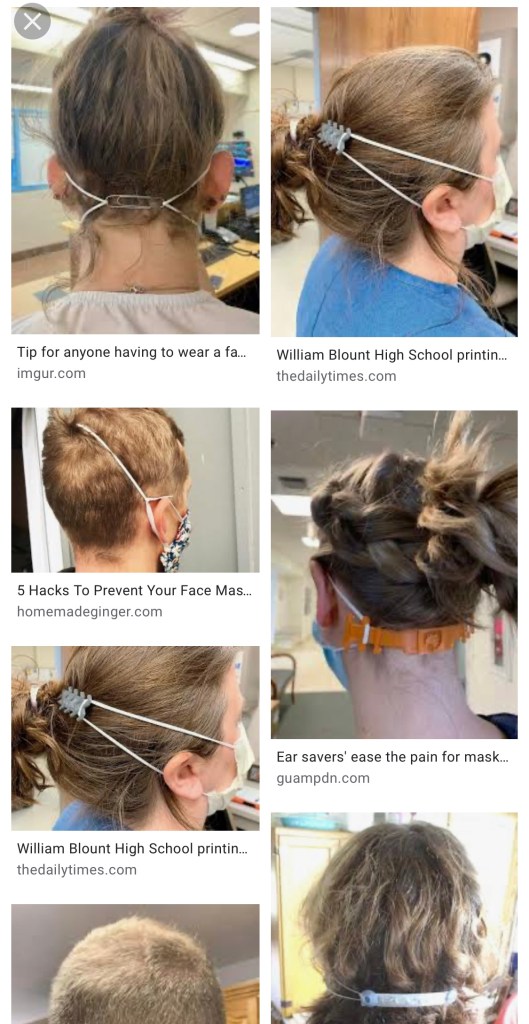
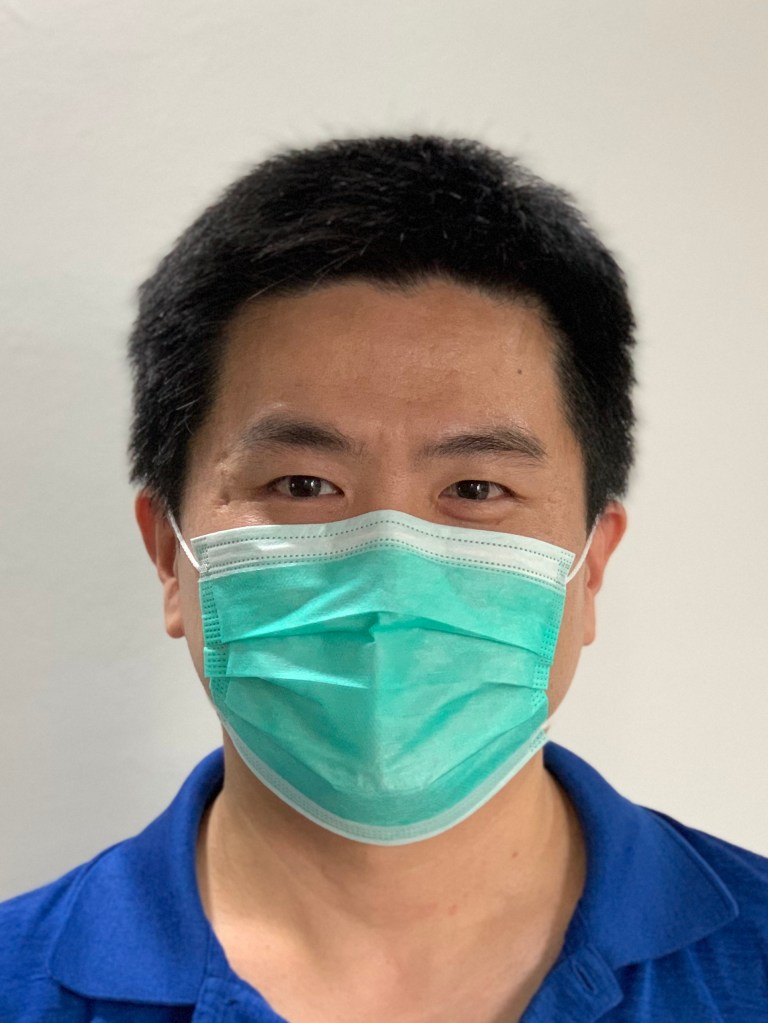
Pain or itching on the ear caused by mask straps from prolonged mask wearing has been a common complaint. There are many custom made “ear saver” ideas that you can find from Google. Some people are selling these ideas, you may be familiar with the term “mask strap extender”.
‘Ear saver ‘ ideas from Google
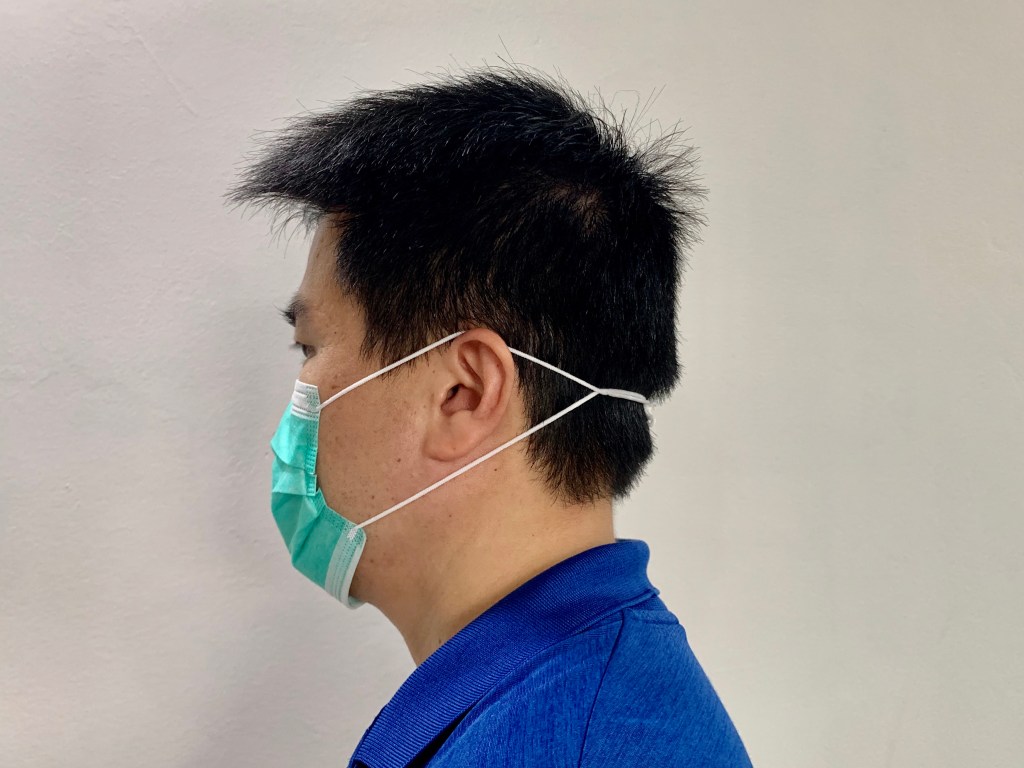
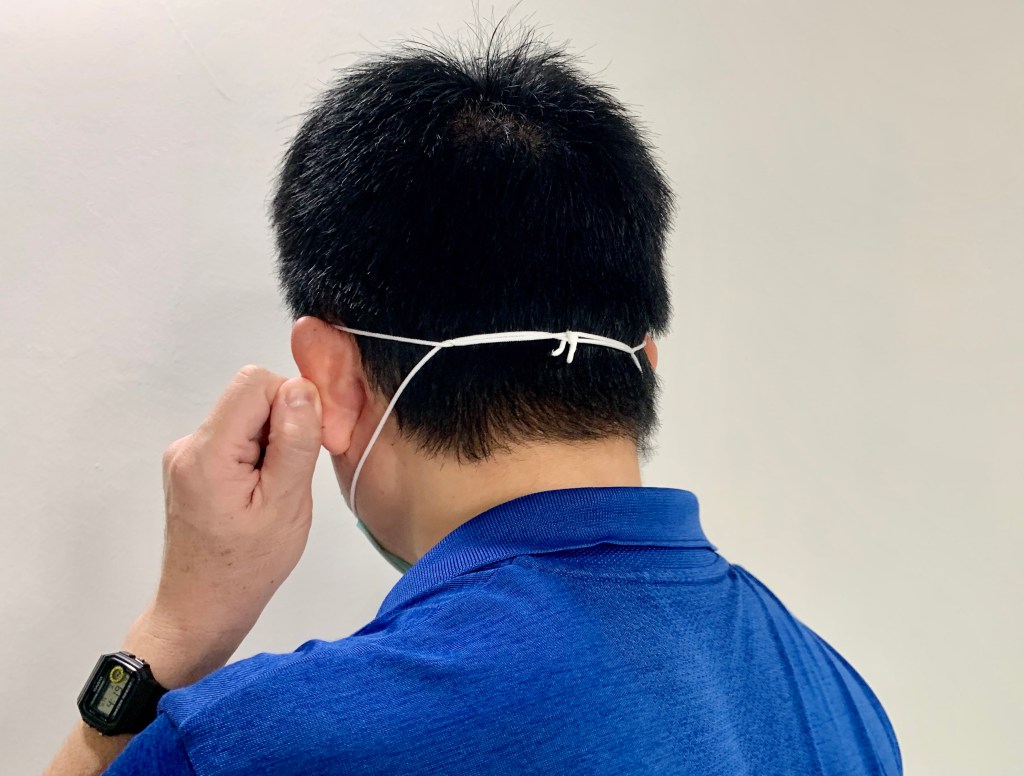
Personally, I have tried using a paper clip and it was not very comfortable. After some experimenting, I have found a design that I would like to share with you to help you make a comfortable “ear saver”.
Here in Singapore, I have taught some of the healthcare professionals and food sellers to make this “ear saver” and the feedback has been good.
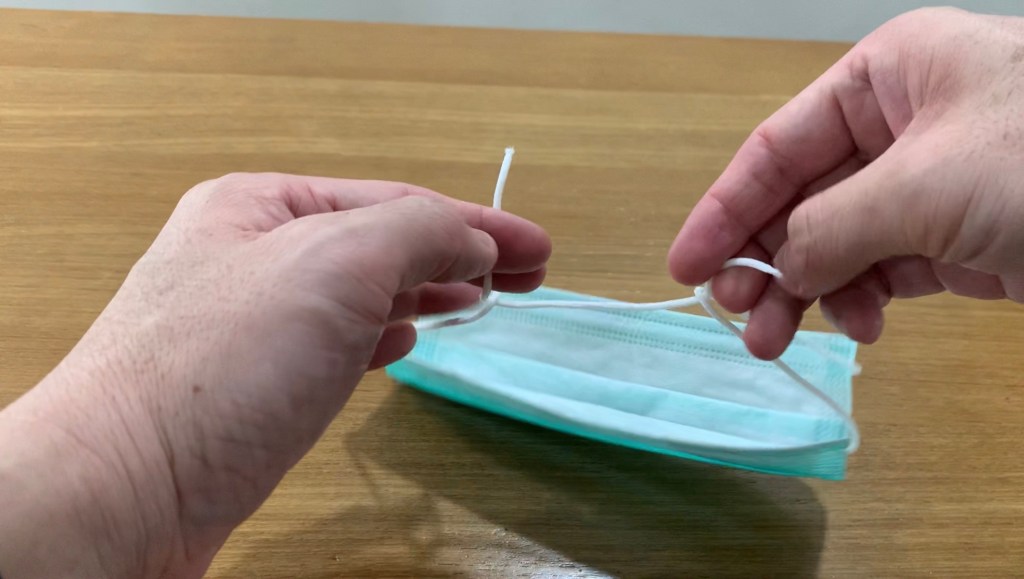
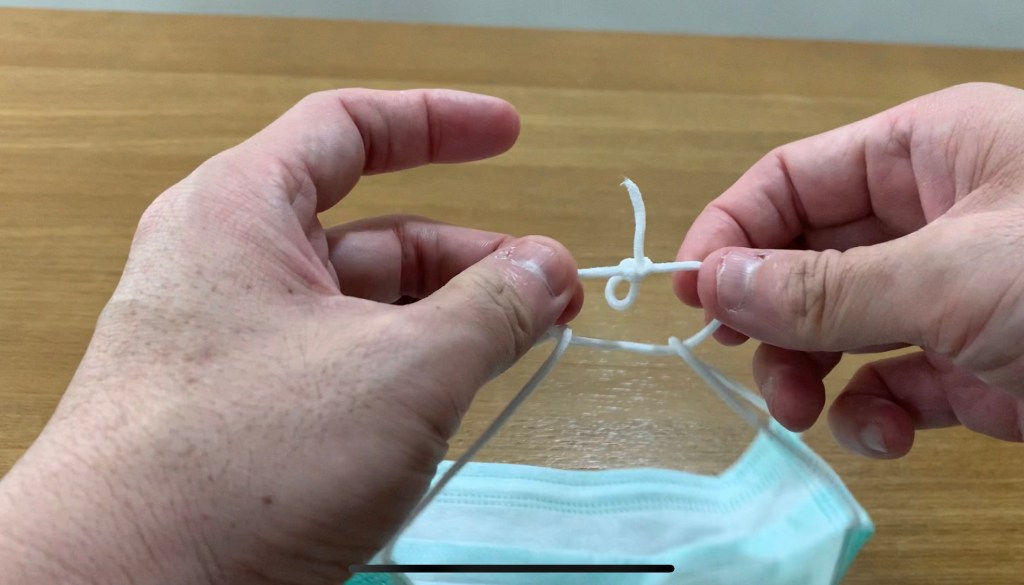
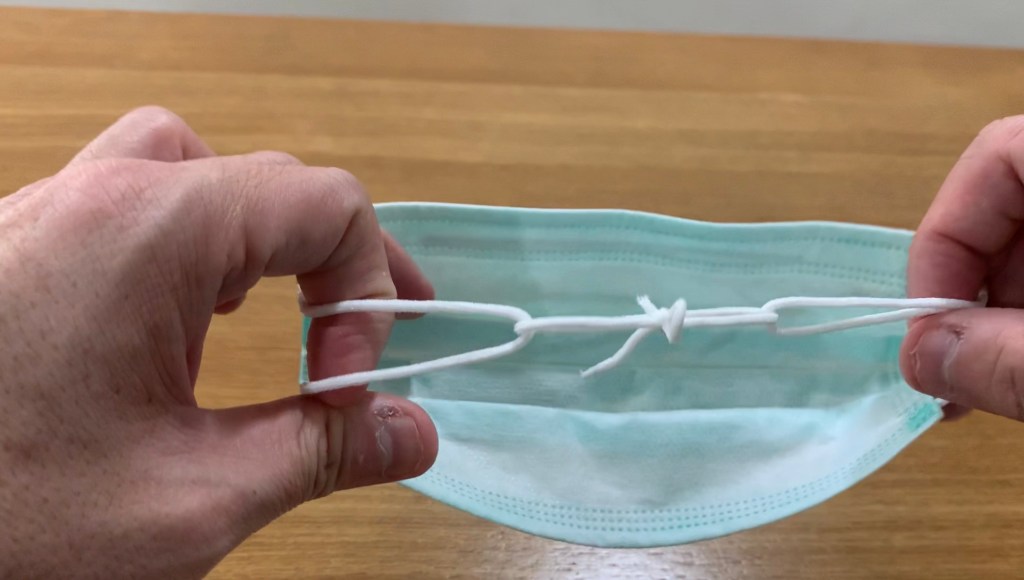
The materials required are simple. Just use an elastic band or string!
Tie both mask straps together with the elastic band/string and customise it to a length you are comfortable with.
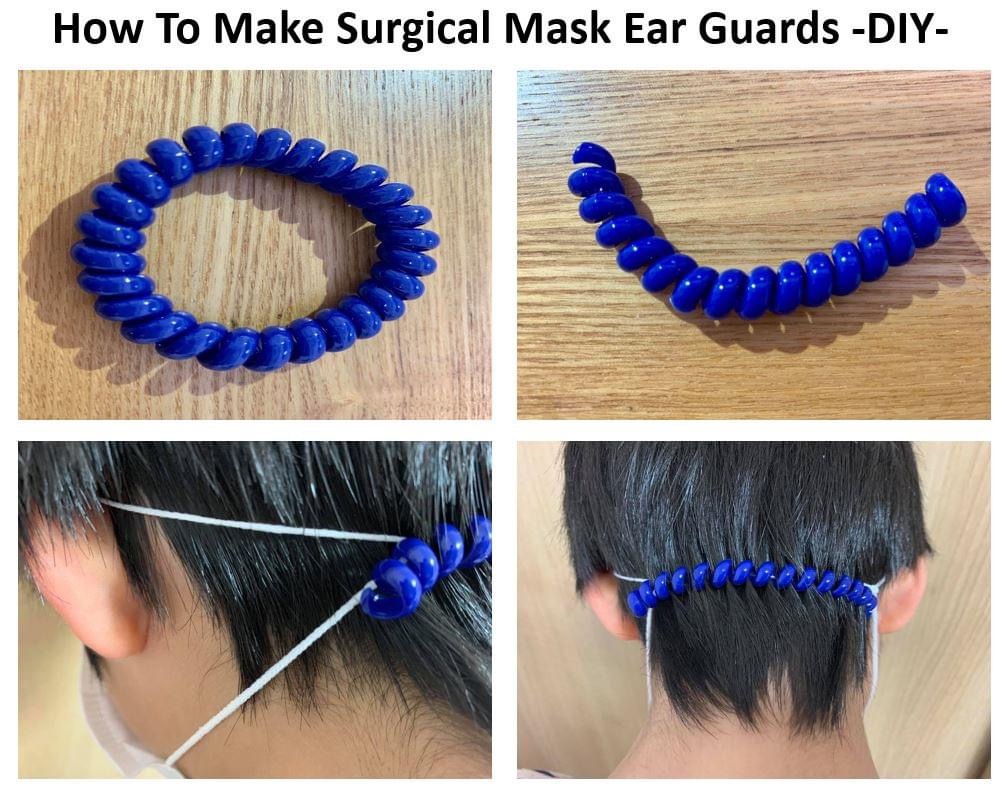
Just found out another great ‘ear saver’ idea by my Japanese friend Ms Kotomi Sakai.
DIY Ear Saver by Ms Kotomi Sakai using spiral hair tie
According to ASHA definition: https://www.asha.org/Evidence-Maps/ ‘Telepractice is the application of telecommunications technology to the delivery of speech language pathology and audiology professional services at a distance by linking clinician to client or clinician to clinician for assessment, intervention, and/or consultation.’
Telepractice for Speech Therapy has been proven to be effective and has been practiced in countries like the United States, Canada and Australia.
Our experience: Since Covid-19 outbreak started, the acceptance of telepractice for speech therapy in Singapore has increased significantly especially during the circuit breaker period.
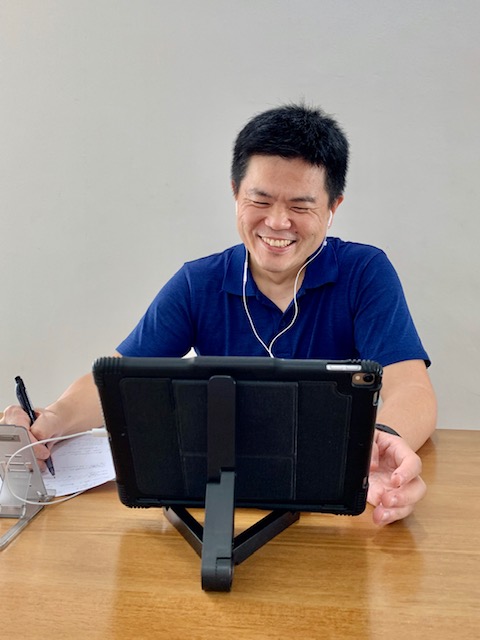
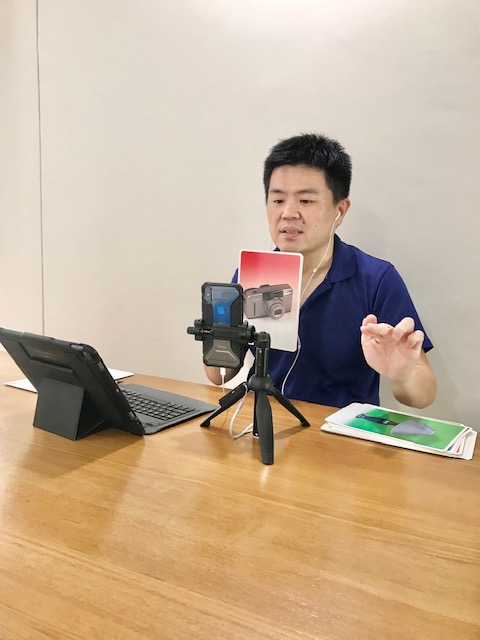
Our experience shows that it benefits most of our clients who require speech and language therapy, and to some of our clients who require swallowing therapy. We prefer to use Zoom Meetings for our telepractice. We find it easy to be used for 1-to-1 session as well as for group therapy sessions. Therapy tasks can to be shared and be viewed easily by our client(s). Clients are able to respond easily by indicating their answers on the screen by using the writing/drawing function. The Zoom file sharing function has allowed us to still customize and personalize each therapy sessions for our clients.
However, we need to take into consideration client’s proficiency level in technology. For clients who are less tech proficient, our experience shows that simple apps such as Facetime and Whatapp video call can work as well.
LATEST: On 24/4/2020, Facebook has just announced their videoconferencing function that allows video meeting up to 50 people without downloading any apps. That will open up another platform for telepractice.
For Speech-Language Therapists who would like to adopt Telepractice, you may refer to the following links for resources:
2018 has been a great year for Speech Therapy Works and Singapore Swallowing Specialists in both business expansion and mentoring program. As we come to the end of 2018, the team would like to take this opportunity to thank all the Singapore and overseas clients, doctors, partners, and healthcare professionals for all their support and trust in us. We will continue to improve to ensure better service satisfaction and treatment outcomes for all our clients.
As part of the effort to reach out to even more people who requires speech and swallowing therapy, we will continue to work with our regional partners to conduct more training and workshops in the coming years.
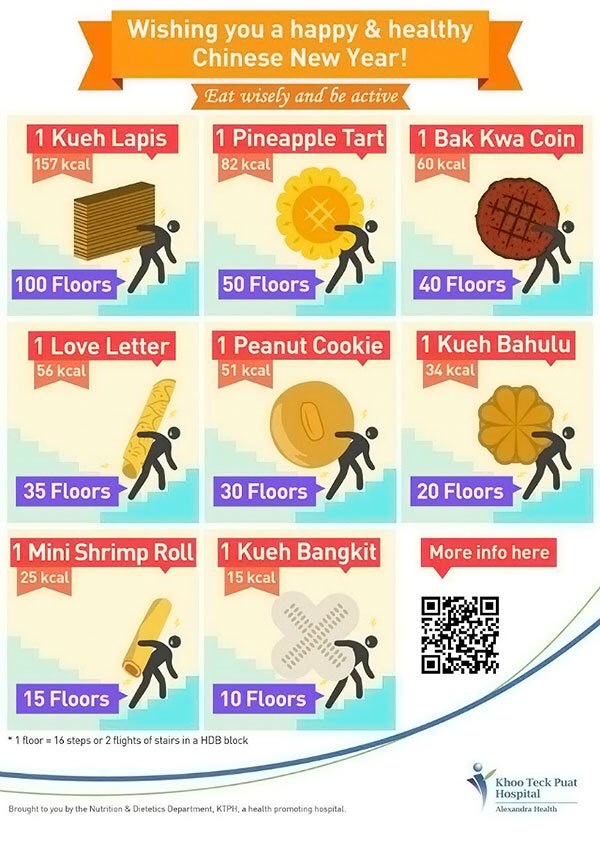
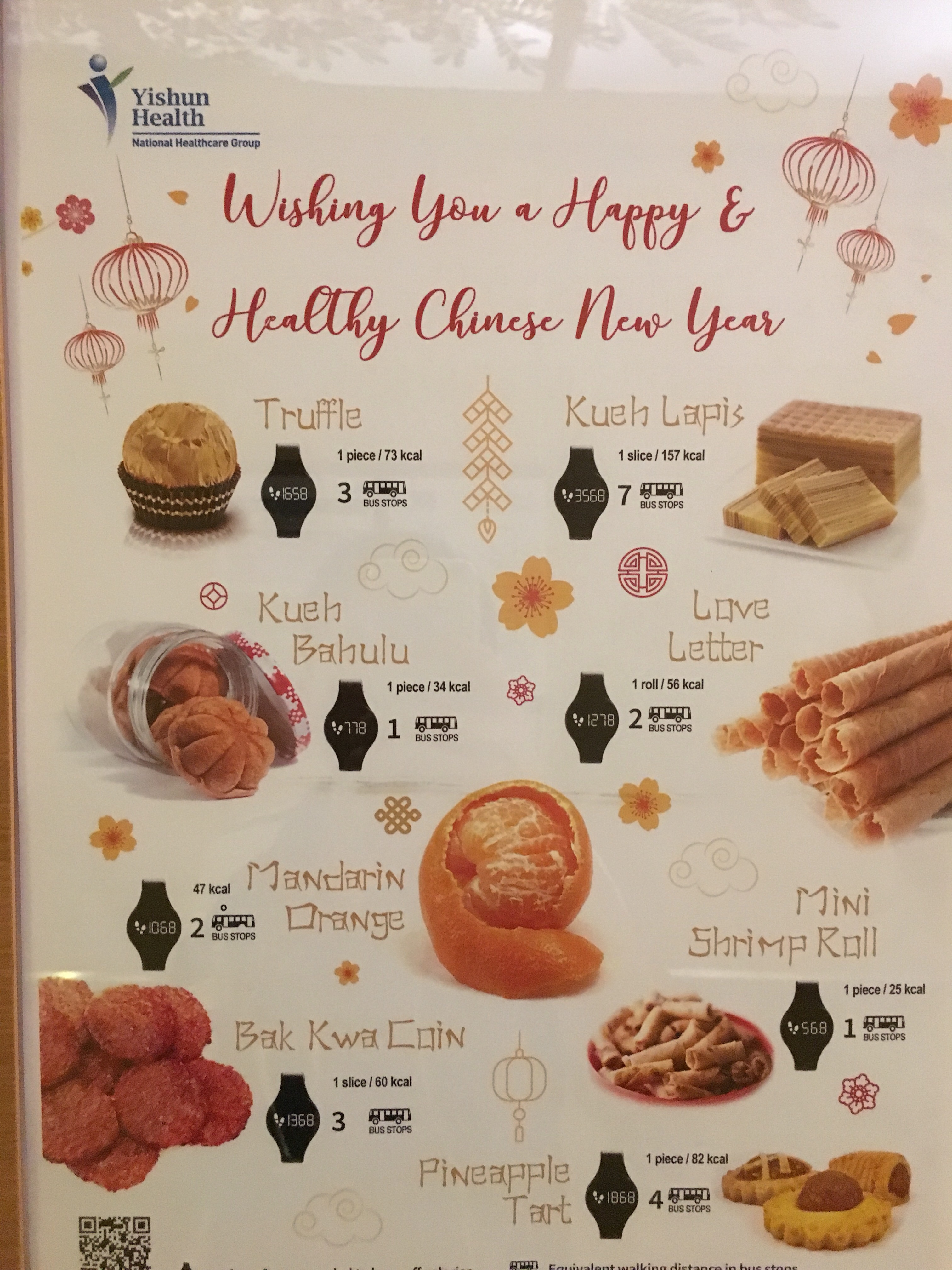
Wish Everyone a Happy and Healthy New Year 2019!!!
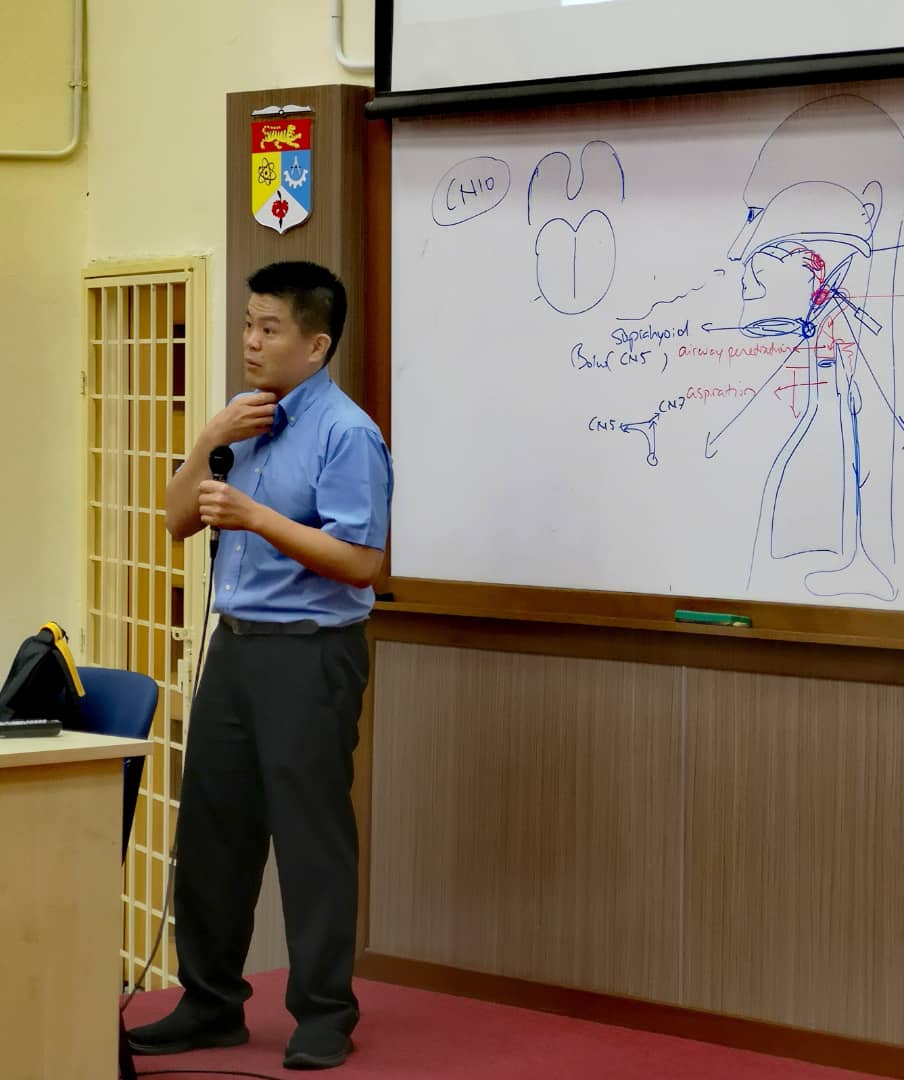
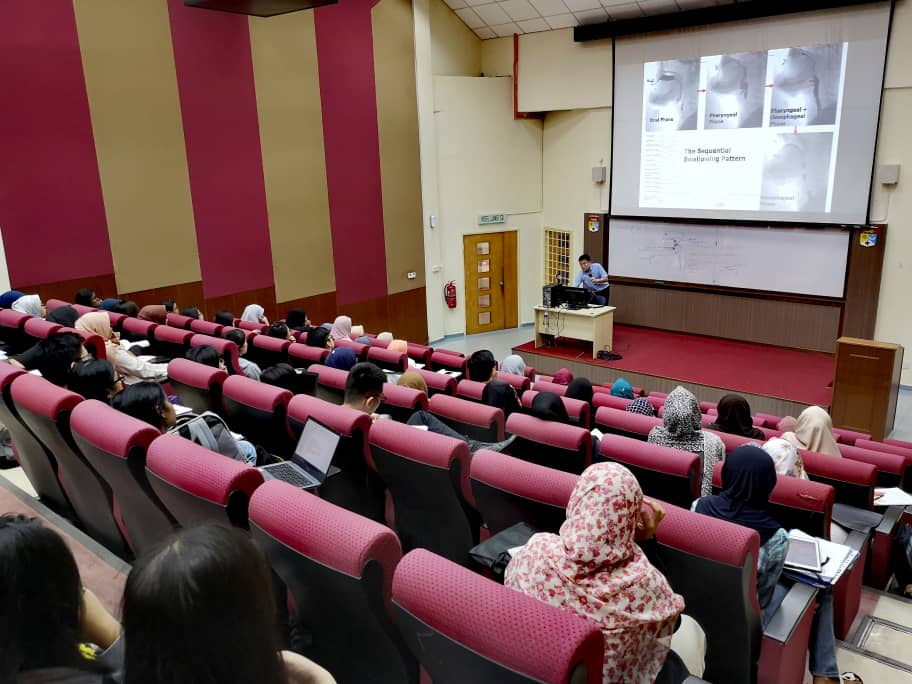
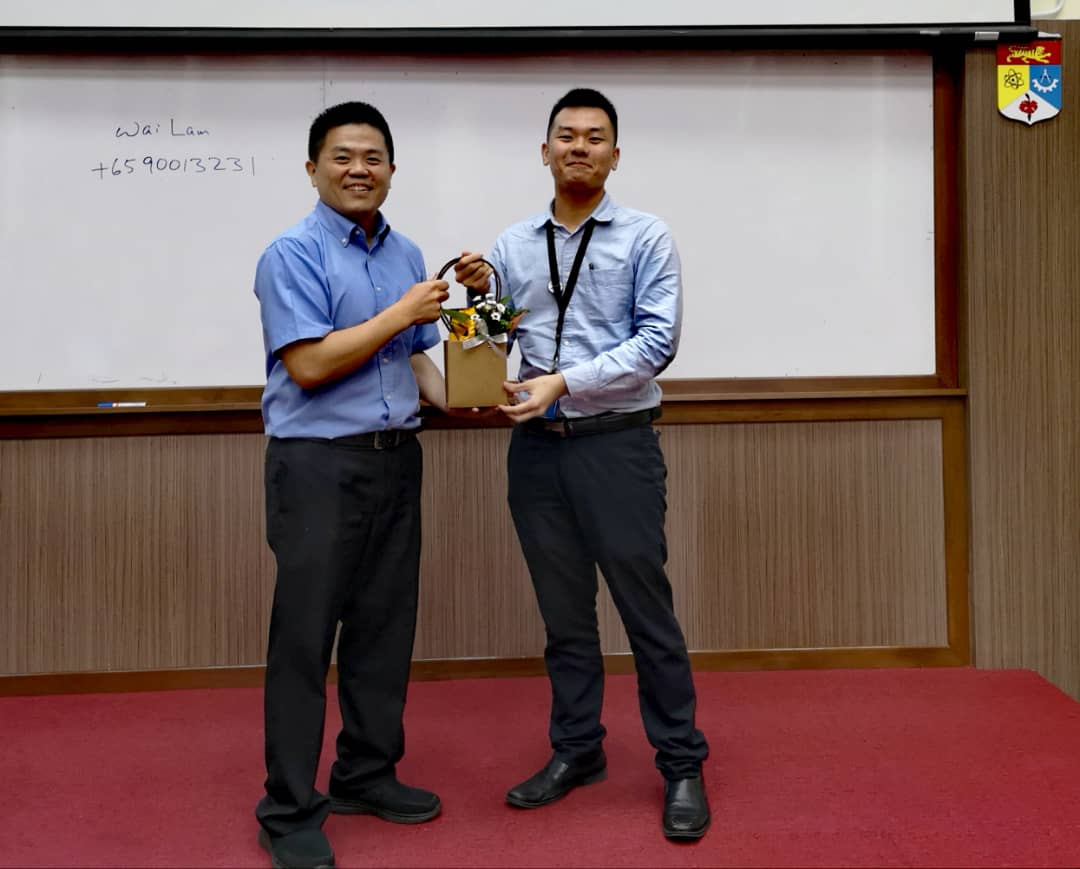
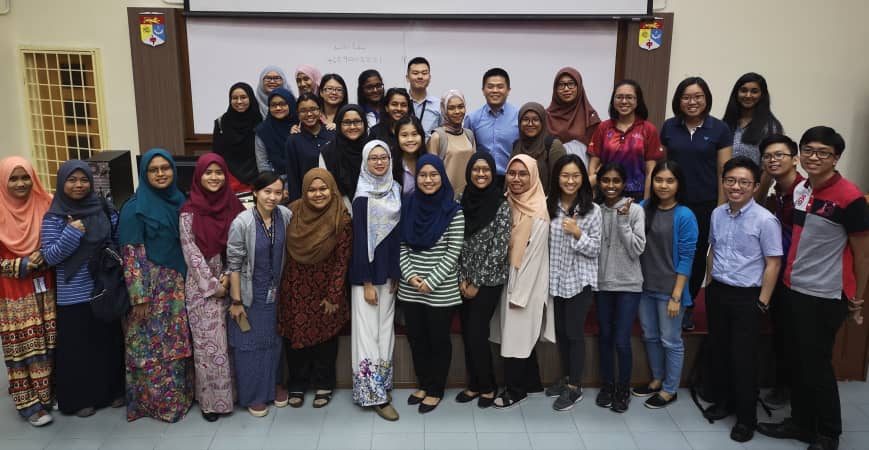
Lecture on “The Importance of Anatomy & Physiology Knowledge in Dysphagia Management & Treatment” to Year 2 – 4 students at the National University of Malaysia (UKM), Kuala Lumpur, Malaysia. 18 December 2018
Life has been so busy since I came back from DRS 2017. Finally, I have some time to put up this blog.
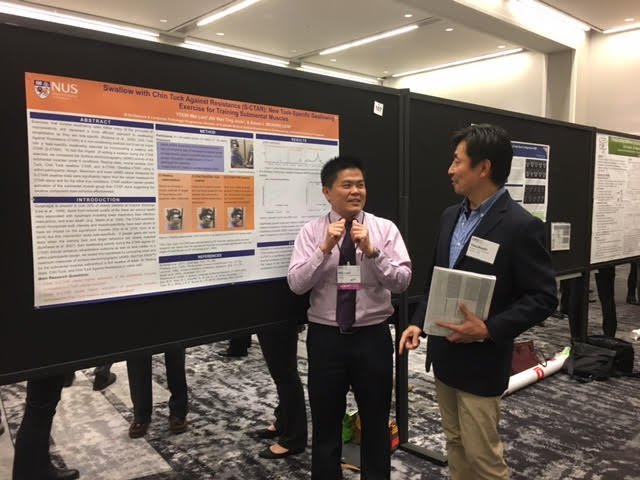
I was honored to be invited to present a research poster at DRS this year.
This is probably one of the best year for dysphagia research representation from Singapore as we have 2 oral presentations from Singapore General Hospital and 1 poster presentation (presented by me) from National University of Singapore.
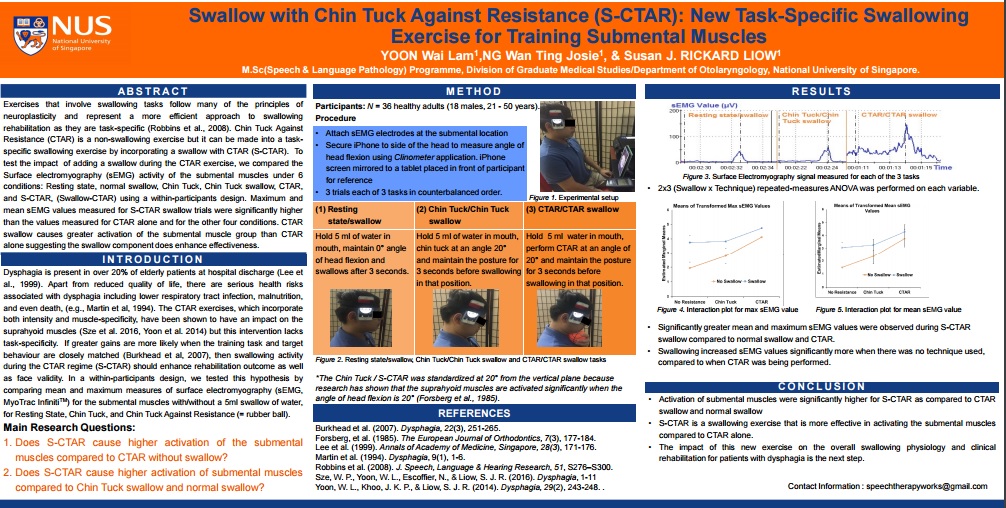
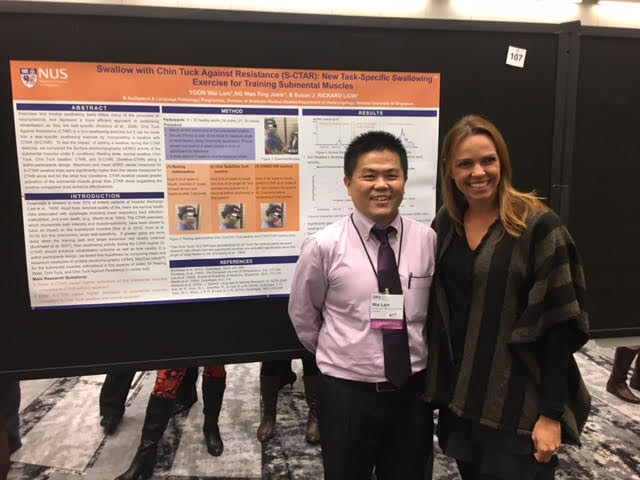
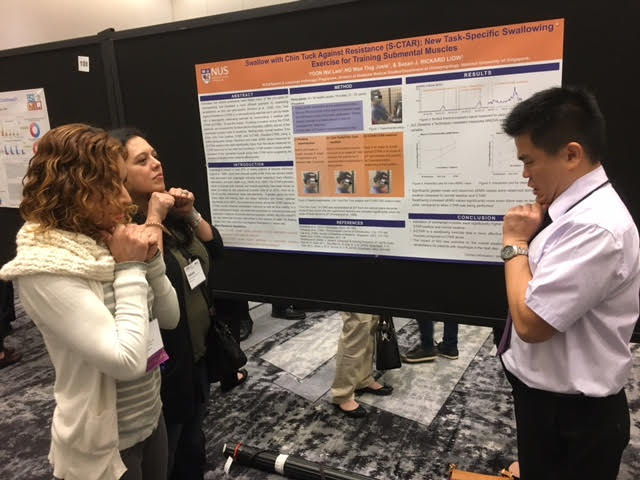
My poster presentation was on Swallow with Chin Tuck Against Resistance (S-CTAR).
Some of the happy moments at DRS:
Portland, Oregon is really beautiful and … cold.
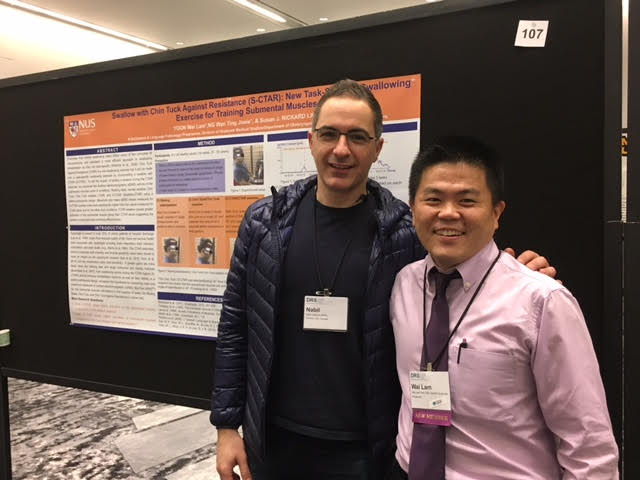
Finally get a chance to meet my Facebook pal, Nabil from Canada in person. We share a common interest in dysphagia. Lots of interesting discussion on dysphagia via WhatsApp and Facebook messenger.
Get to meet some old friends and made more new friends from all around the world.
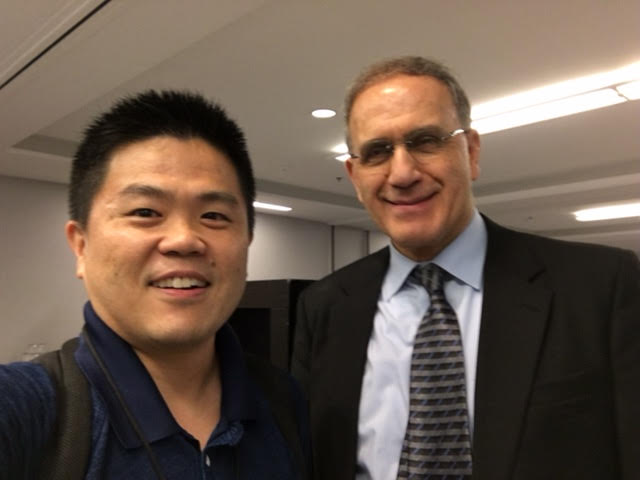
managed to take a selfie with Dr Reza Shaker!
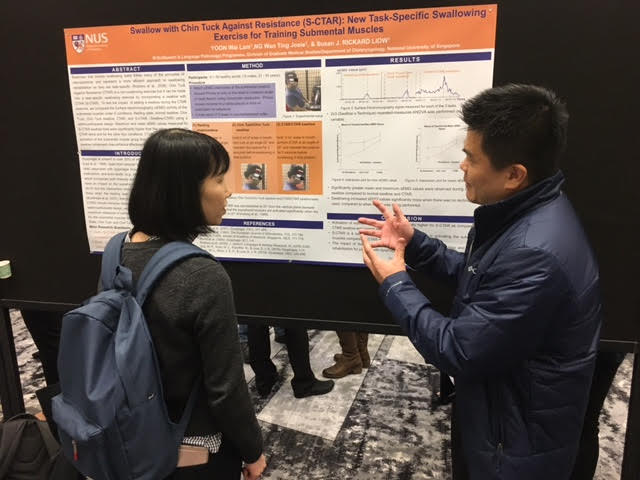
Happy to know that CTAR or Chin Tuck Against Resistance is a well known and well like exercise in USA and Brazil. Brazil Speech Pathologists informed me that they have started research on CTAR! I really hope that clinical study on CTAR will be out soon.
Most Speech-Language Pathologists were excited to know that S-CTAR can be used as a task specific exercise and foresee that they will use it in their dysphagia therapy or management.
Portland, OregonPortland, Oregon
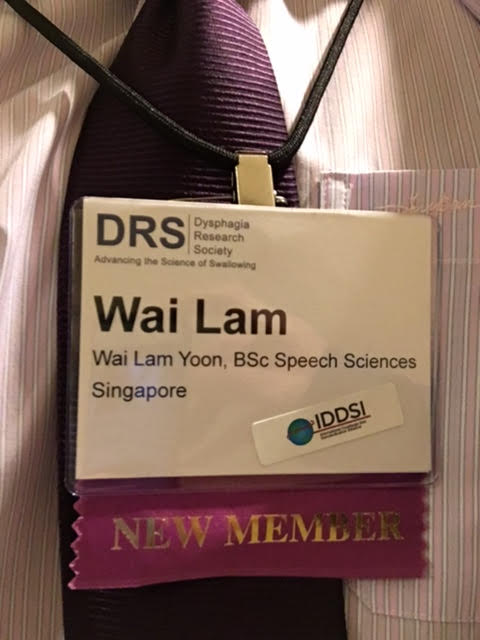
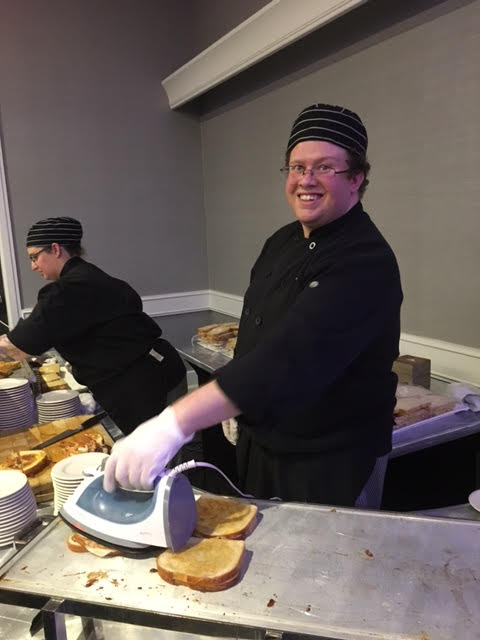
with Dr Reza ShakerMy FB Pal, SLP from Canada – NabilKotomi Sakai – SLP from JapanSLP from BrazilDemonstrating CTAR to a dentist from JapanDemonstrating CTAR and S-CTARI am a new DRS member.This is new to me… Ironing sandwiches?!!!
I was asked a few interesting questions on CTAR. One of the few interesting question is: are there any devices in the market that you think is good to be used to perform CTAR? I think this is an interesting question as we have seen quite a number of devices (different type of balls, hand held devices etc) being introduced to the market since the first paper on CTAR was published in 2014.
Click S-CTAR Poster to download the poster that I presented at DRS 2017.
I will list out all those questions and answers in separate post soon.
To end this post, I would like to congratulate and express my appreciation to all the DRS committees for this successful and enlightening meeting.
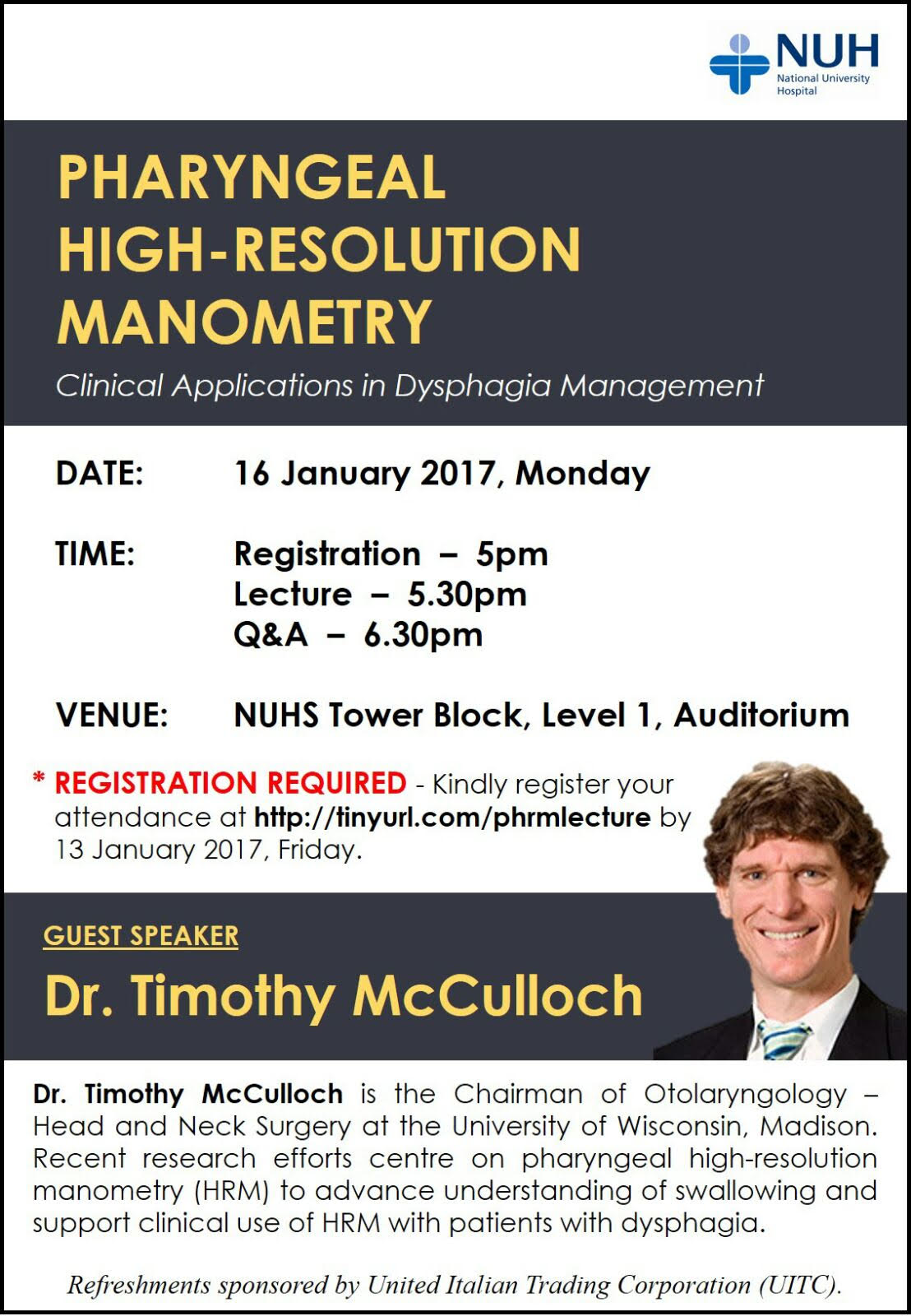
Pharyngeal High-Resolution Manometry: Clinical Applications in Dysphagia Management.
Speaker: Dr Timothy McCulloch.
Dr McCulloch is a world reknown Otolaryngologist specializes in treatment of head and neck cancer, voice and swallowing disorders, trauma, reconstruction, and skull base surgery.
The lecture is opened to all healthcare professionals.
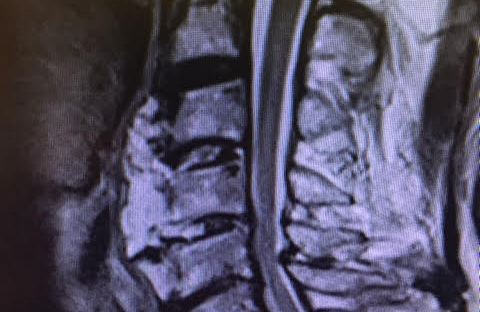
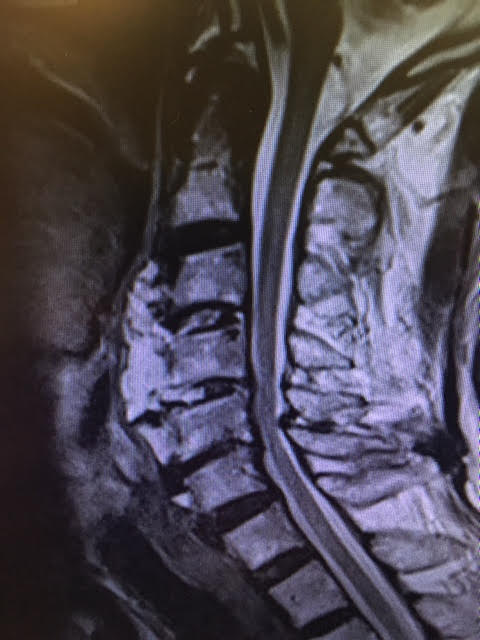
The following patient presents with dysphagia (swallowing difficulties) secondary to the presence of prominent anterior cervical osteophytes at the level of C3-C6, most prominent at C4.
Dysphagia symptoms include:
Occasional coughing noted when eating solids as well as drinking fluids.
Multiple swallows per bolus
I managed to record the patient’s usual swallowing sound using my IPhone 6s. Could this be the sound of mechanical obstruction?









 Singapore Swallowing Specialists
