Cost effective treatment, Dysphagia Therapy, speech therapy singapore, speech-language therapy, Teaching

Beckman Oral Motor Assessment and Intervention © Course

beckman OM

About the Workshop:

Oral motor impairment presents a variety of challenges for both the individual affected, and for the care team providing intervention. Often the individual experiencing oral motor difficulties is not able to follow commands. The person may not be eating or taking fluids orally, which reduces the opportunities for observation of oral movement patterns. The majority of baseline protocols currently available require at least minimal direction-following skills. The protocol developed by Beckman uses mechanical muscle responses, which are not mediated cognitively, to baseline the response to pressure and movement, range of movement, variety of movement, strength of movement and control of movement for the lips, cheeks, jaw, and tongue. In this two day course, participants will actively participate in hands-on practice for compensatory handling techniques for the following concerns: tonic bite, tonic bite on a utensil, slow oral transit, tongue thrust, cough, gag and vomit. The participants will complete an oral motor protocol with each other, analyze the results, and discuss data tracking. The participants will also complete hands-on practice for specific oral motor interventions to address the deficit areas discovered during baseline assessment. Additional topics of discussion may include: goal writing, diet texture progression, tube to oral issues, adaptive mealtime utensils, oral hygiene issues, medication administration issues, oral function for individuals with tracheotomy, facilitating improved articulation through oral motor techniques, research issues, videofluroscopy issues for motorically involved individuals.

Speaker: Mr Stephen Chan (Occupational Therapist)

Target Participants: Licensed Occupational Therapists AND Speech and Language Pathologists/Speech Therapists

Date &Time:  9th & 10th March, 2016 (Wed & Thur) 9:30am – 5:30pm

Venue: Room 706, Peninsula Tower, No. 538, Castle Peak Road, Kowloon, HONG KONG

Seat Availability: 30 seats

Course Fee:

  • Early Bird registration by 9th January, 2016: HK$4,000 (including course materials)
  • Standard registration by 9th February, 2016: HK$4,500 (including course materials)

Certification: Upon 100% attendance, participants are awarded the Certificate of Completion by Beckman & Associates, Inc. And after the completion of the course, participants’ name can be listed (optional) on the website http://www.beckmanoralmotor.com.

Enquiry: To learn more about the course, please visit the website: http://www.beckmanoralmotor.com

Registration form can be downloaded from: http://www.crest.hk/wp-content/uploads/2014/07/Beckman-Certificate-Course-Information-by-CREST-2016.03-revised.pdf

For any enquiries, please feel free to contact Mr. Stephen Chan at stephen@crest.hk or (852) 3628 3443
dysphagia assessment, Dysphagia Therapy, SHAS, speech therapy singapore, speech-language therapy, Swallowing Problem

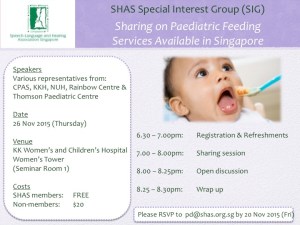
SHAS SIG : Sharing on Paediatric Feeding Services Available in Singapore

Host: Speech-Language and Hearing Association Singapore (SHAS)

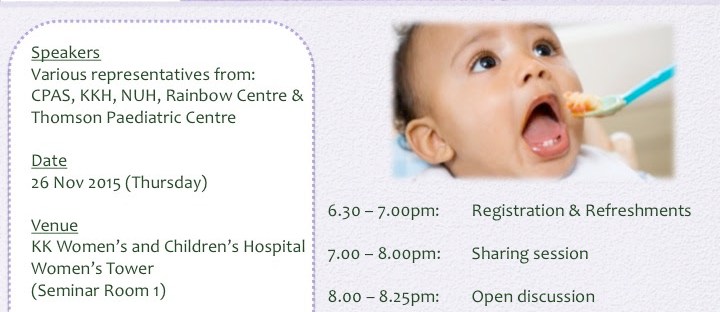
The SHAS will be holding a Special Interest Group : Sharing on Paediatric Feeding Services Available in Singapore

Date: 26 November 2015 (Thursday).

Venue: KK Women’s and Children’s Hospital, Women’s Tower (Level 1), Seminar Room 1, 100 Bukit Timah Rd, Singapore 229899

There will be sharing session by various representatives from different organisations:

  • Cerebral Palsy Alliance Singapore
  • KK Women’s & Children’s Hospital
  • National University Hospital
  • Rainbow Centre
  • Thomson Paediatric Centre

SHAS paediatric feeding
If you are interested in attending the session, please email the completed registration form to pd.shas@gmail.com by 20 November 2015 (Friday). 

Dysphagia Therapy, speech therapy singapore, speech-language therapy, Swallowing Problem

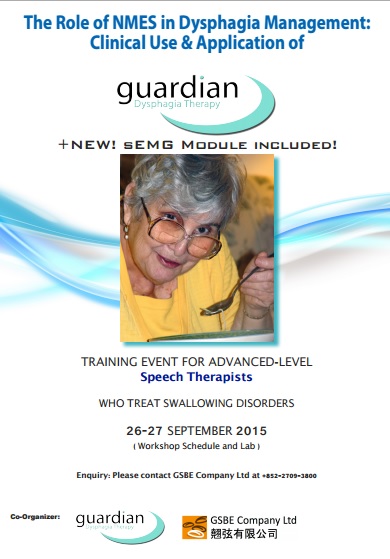
Workshop on Dysphagia Management: NMES / sEMG Guardian Way in Hong Kong

Guardian Way Workshop

Workshop on Dysphagia Management: NMES / sEMG Guardian Way

Instructors: Teresa Biber, M.S., CCC-SLP

Nancy Calamusa, MA, CCC-SLP

Date: 26-27 September 2015 (NMES / sEMG Guardian Way)

Date: 28 September 2015 (Paediatric Workshop)

Venue: Kowloon Bay International Trade and Exhibition Centre (KITEC) Room 631, Hong Kong

Contact:  GSBE Company Ltd at 9190-0180 or or GSBECOMPANYLTD@GMAIL.COM

Co-organizer: SpectraMed, Inc. and GSBE Company Ltd

Please refer to attached registration forms for details.

pdf_SEPT2015_Form

pdf_SEP2015_GuardianWay

pdf_Paed_Workshop_SEP2015

Dysphagia Therapy, speech therapy singapore, Swallowing Problem

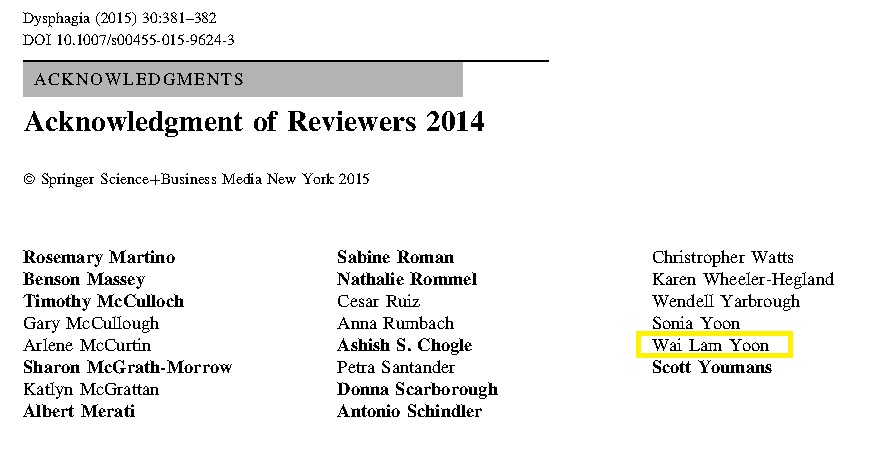
Dysphagia Journal Reviewer for 2014

Dysphagia Reviewer 2014

Feeling happy and honoured to see my name listed as one of the reviewer along side with all the world reknown dysphagia experts on the acknowledgment of reviewers page in the Dysphagia Journal for 2014. It has a great experience being a reviewer for this distinguished international journal for the very first time. Hope to have the opportunity to review more papers in future.

dysphagia assessment, Dysphagia Therapy, speech therapy singapore

Workshop “Dysphagia Assessment and Treatment for Adults and Children: Practical Applications and Cutting Edge Updates” by Dr Julie Cichero

Dysphagia workshop

The Cerebral Palsy Alliance Singapore (CPAS) is organising the 8th CP Symposium from 1012 September 2015.

Workshop “Dysphagia Assessment and Treatment for Adults and Children: Practical Applications and Cutting Edge Updates” by Dr Julie Cichero, BA, BSpThy (Hons), PhD Australia.

Date: 10 & 11 September 2015

Venue: Max Atria @ Singapore Expo

Target audiences: Speech-Language Pathologists / Therapists

Please click SLP e-brochure for registration details.


dysphagia assessment, Dysphagia Therapy, Objective assessment

Basic FEES Workshop

015

Fiberoptic Endoscopic Examination of Swallowing (Basic FEES) Workshop 2015

Hosted by The Chinese University of Hong Kong

The FEES workshops are structured to provide speech therapists and doctors with updates on dysphagia and serve to promote the use of FEES in the assessment of dysphagia, in rehabilitation planning and as a biofeedback tool. Clinical updates of dysphagia management and intervention methods will also be discussed. The workshops will also provide hands-on opportunities to participants which bridge the theory to practice. Organisers: Department of Otorhinolaryngology, Head and Neck Surgery, Faculty of Medicine, & Institute of Human Communicative Research, The Chinese University of Hong Kong Target participants: Speech Therapists, Otorhinolaryngologists and Medical Doctors.

Learning Objectives: The objectives of the 2-day workshop are to present:

 The anatomy and neurology for swallowing

 An overview of dysphagia

 Swallowing assessment – principles and the diagnostic tools

 Assessment of voice and laryngeal function

 FEES –normal vs abnormal videos

 Diagnostic options for patients – VFSS / FEES

 Tips on endoscopy

 Provide 3-4 hours of supervised hands-on practical passing the endoscope on other participant(s) and / or on dummies

Course Day:             14 & 15 December 2015 (Monday – Tuesday)

Venue:                     Prince of Wales Hospital, Shatin, Hong Kong

Registration is now opened, please go to the following link for the registration:
http://goo.gl/Ph8We8

For the details of the workshop, please kindly refer to the attached flyer or visit our website:  http://www.ihcr.cuhk.edu.hk/eng/events/main.htm

Due to the intensive nature of training, spaces are limited and processed on a first come first serve basis.

For overseas participants, you can email the secretariat for advice and special arrangements.

Applicants will be notified of the results of their application by email.
Should you need any further information, please feel free to contact the secretariat of the Program, Ms Rina To at (852) 3943 9609 or speechtherapy@ent.cuhk.edu.hk.

Dysphagia Therapy, Public awareness, Singapore, Swallowing Problem

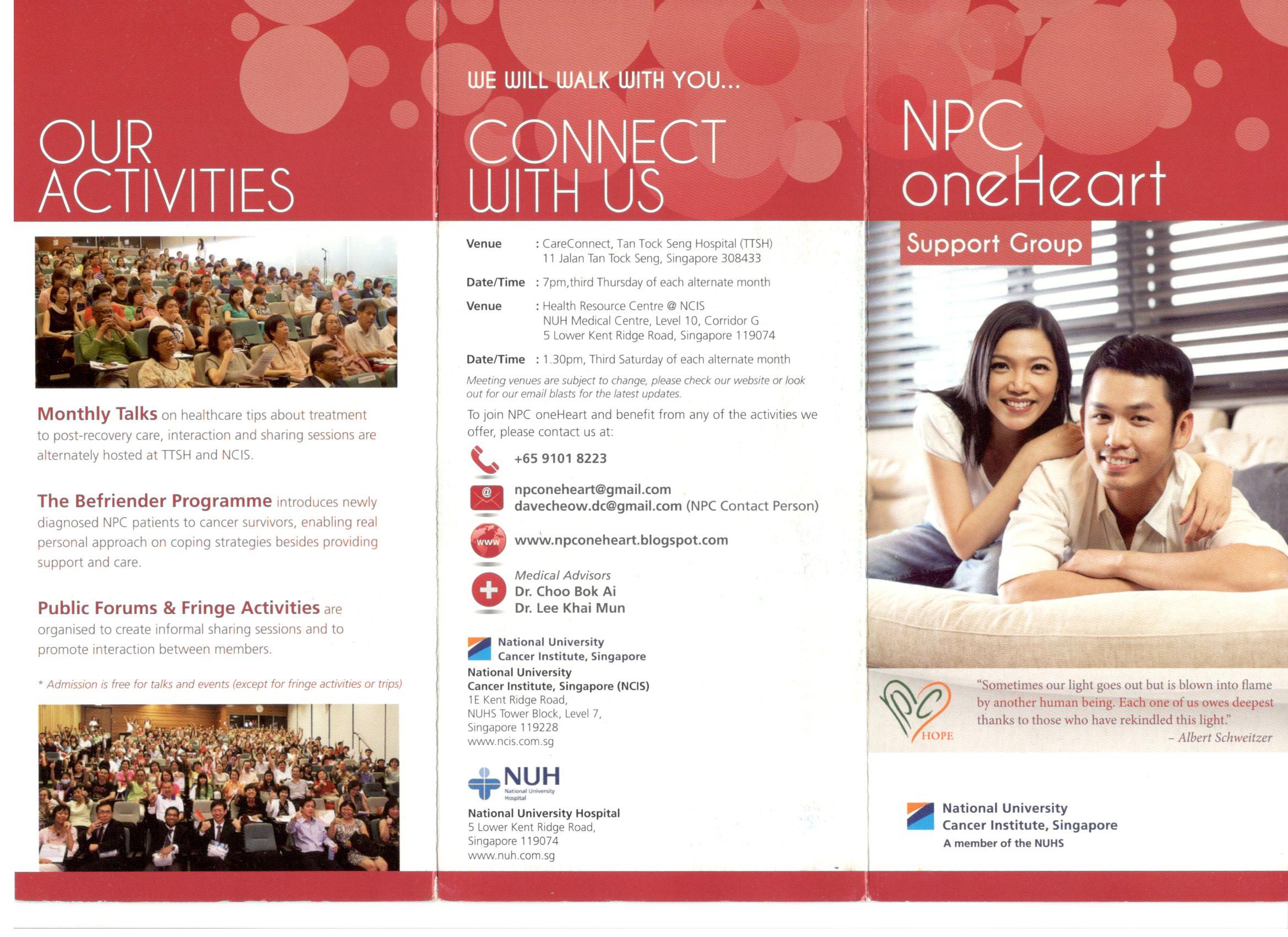
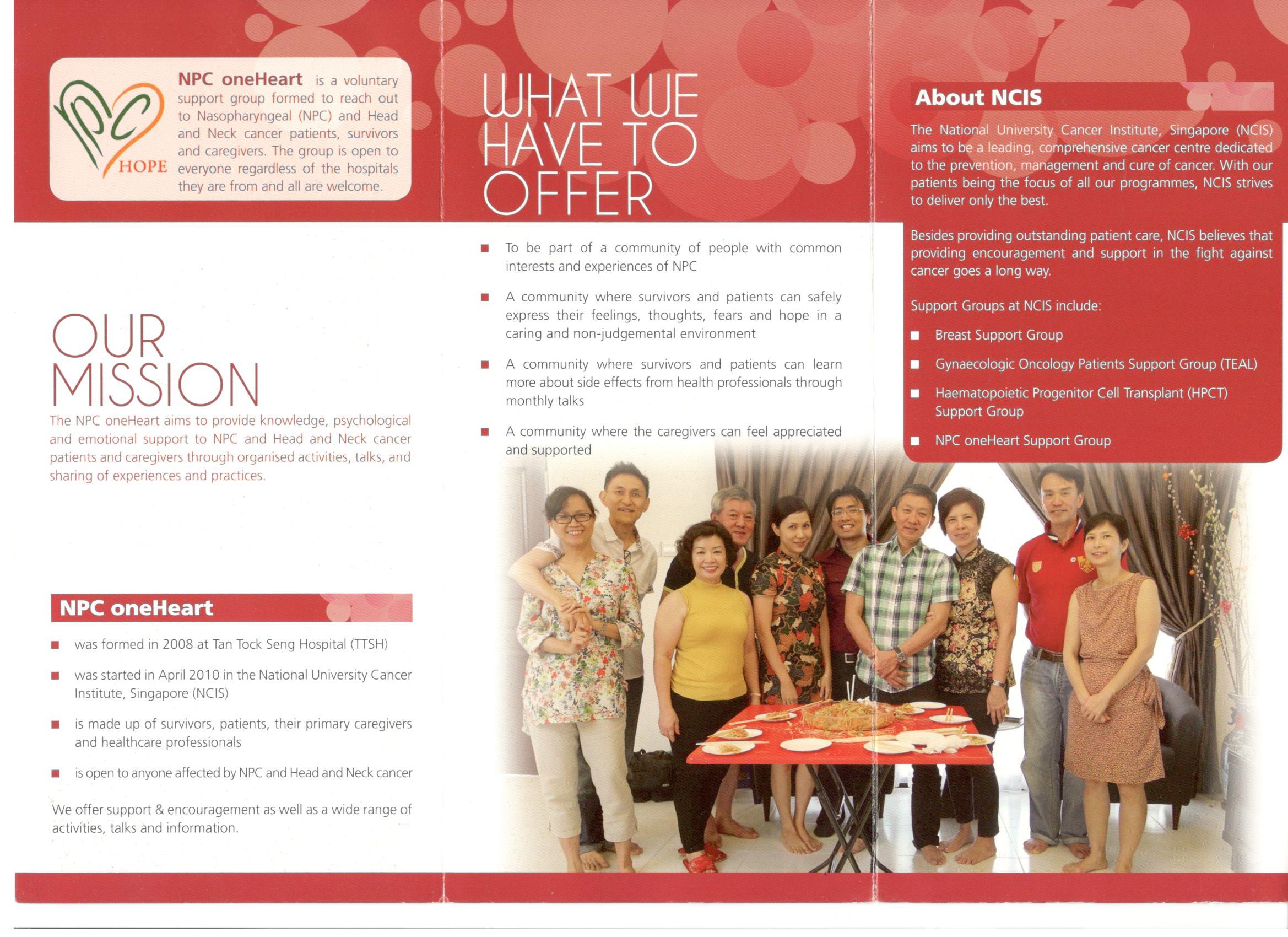
Nasopharyngeal Cancer Support Group Talk: How does NPC affect speech and swallowing?

NPC support group brochure0001NPC support group brochure0002

The Singapore Nasopharyngeal Cancer (NPC) Support Group will be organizing the above mentioned talk.

Date: 21/5/2015 (Thursday)

Venue: CareConnect, Tan Tock Seng Hospital, Singapore

This talk is open to all NPC survivors / caregivers.

Speaker: Mr Yoon Wai Lam (Director of Speech Therapy Works, Part-time lecturer in the Master in Speech Pathology Programme, National University of Singapore)

Topic: How does NPC affect speech and swallowing? Can speech and swallowing function be maintained after radiotherapy?

Speech and swallowing difficulties can occur at the time when the diagnosis of NPC is made or it can also occur during and/or after treatment. In this talk, how speech and swallowing problem happen and its management will be discussed. Simple speech and swallowing exercises that may be useful to maintain speech and swallowing function would be demonstrated during the talk.

Cost effective treatment, Dysphagia Therapy, Singapore, Swallowing Problem

Worsening dysphagia. How would you manage?

worsening of dysphagia

A comprehensive dysphagia (swallowing disorders / difficulties) management is not only limited to diet recommendation, compensatory strategies or rehab exercises. Providing crucial feedback to the medical team is equally important.

The following case is one case example:

I was consulted by my speech-language pathologist / therapist colleague regarding a case of worsening dysphagia within days in a rehabilitation hospital. The patient (pt) had a stroke (left MCA infarct) diagnosed 2 weeks ago. According to the medical report from the acute hospital, the pt presents with global aphasia and dense right hemiplegia.

Day 1:

Initial assessment revealed mild oropharyngeal dysphagia and global aphasia. Delayed swallowing initiation was suspected. Meal supervision was performed by the ST and pt was started on soft diet and thin fluids.

Day 2:

Patient’s swallowing presentation appeared to have worsen. Oral control appeared poorer, and oral residues were noted post swallow. Noted reduction in hyolaryngeal elevation and double swallows per bolus. Coughed on thin fluids. Diet was downgraded to minced diet and nectar thick fluids by teaspoon.

Day 3:

Staff nurse reported to the ST that pt is coughing on minced diet and nectar thick fluids during breakfast. On ST review, it was noted that patient presents with tongue pumping with significant amount of oral residue post swallow, delayed swallowing initiation, and multiple swallows per bolus. Wet voice was noted post swallow.

I was asked by my colleague for a second opinion.

**Before I move on to explain our plan for the case, allow me to list down the suggestions by some of the SLPs I spoke to when I presented the case to them.


1) Most SLPs would want to refer the patient for an objective assessment [Videofluoroscopy (VFS) or Fiberoptic Endoscopic Examination for Swallowing (FEES)].


2) Some would want to downgrade the diet accordingly to patient’s presentation and observe as so far no other professionals have reported any significant changes. 


3) Some would want to inform the team doctor regarding the worsening dysphagia, and to rule out the potential underlying medical complications. 

I asked my SLP colleague the following questions:

Question 1: What are the possible causes of worsening dysphagia? 

Answer: Maybe stroke, and maybe other new neurological deficits. 

Question 2: Why do you think no one else notice any other changes in status except you? 

Answer: Not sure. That’s why I am worried that I am wrong. 

My answer: Pt is dense hemiplegia (power = 0), and globally aphasia. Unlikely for anyone else to have noticed any changes functionally as both limbs and language functions are 0. 

Question 3: What would be your recommendation? 

Answer: What if I am wrong? I don’t dare to ask for a CT scan or MRI as I could be wrong and patient may end up paying for unnecessary procedure and it is not cheap.

Question 4: What if you are right?

Answer: Then the medical team can treat the pt earlier. 

Question 5: Now evaluate the pro and cons the decision “what if you are wrong?” vs “what if you are right?”. 

Answer: Ok I think it would be better to discuss with team doctor and seek their opinion on this. Will suggest further assessment to rule out new events (such as stroke / neuro issues)

After discussion with the doctor, patient was sent to the acute hospital for urgent CT scan. The new CT scan showed hemorrhagic conversion on the left MCA infarct (worsening of the stroke).

In summary, when we encounter rapid progression of dysphagia, perhaps it would be better to speak to the team doctor to find out the cause(s). Objective swallowing assessment may want to be held off until patient’s medical status is stabilized.

Cost effective treatment, Dysphagia Therapy, Singapore, Swallowing Problem

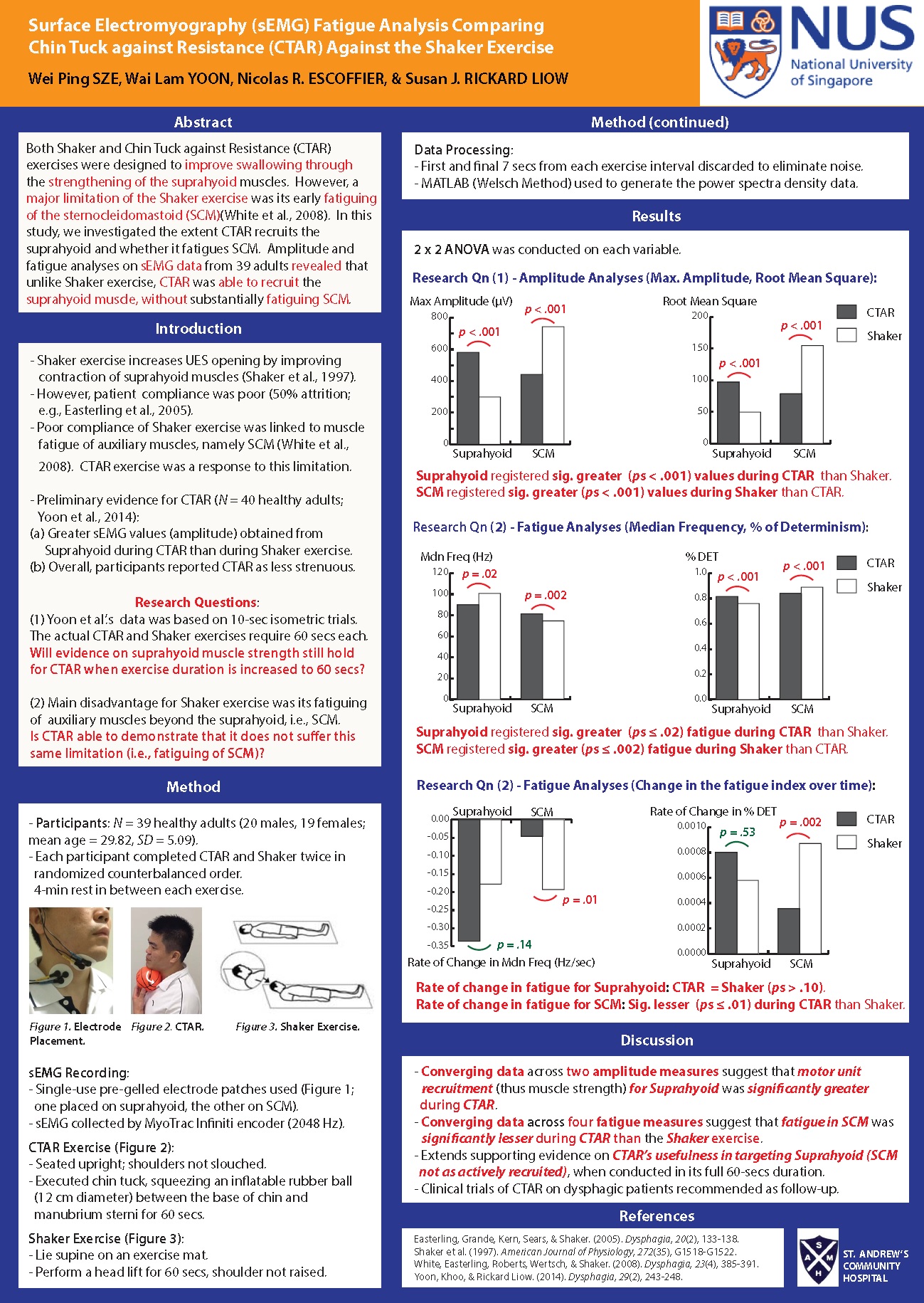
Surface Electromyography (sEMG) Fatigue Analysis Comparing Chin Tuck against Resistance (CTAR) Against the Shaker Exercise

CTAR Poster
CTAR Poster

This poster was presented at the recent Dysphagia Research Society 23rd Annual Meeting at Illinois, Chicago, USA (12-14 March 2015).

Title: Surface Electromyography (sEMG) Fatigue Analysis Comparing Chin Tuck against Resistance (CTAR) Against the Shaker Exercise

Abstract:

Both Shaker and Chin Tuck against Resistance (CTAR) exercises were designed to improve swallowing through the strengthening of the suprahyoid muscles. However, a major limitation of the Shaker exercise was its early fatiguing of the sternocleidomastoid (SCM)(White et al., 2008). In this study, we investigated the extent CTAR recruits the suprahyoid and whether it fatigues SCM. Amplitude and fatigue analyses on sEMG data from 39 adults revealed that unlike Shaker exercise, CTAR was able to recruit the suprahyoid muscle, without substantially fatiguing SCM.

Introduction:

  • Shaker exercise increases UES opening by improving contraction of suprahyoid muscles (Shaker et al., 1997).
  • However, patient compliance was poor (50% attrition; e.g., Easterling et al., 2005).
  • Poor compliance of Shaker exercise was linked to muscle fatigue of auxiliary muscles, namely SCM (White et al., 2008). CTAR exercise was a response to this limitation.
  • Preliminary evidence for CTAR (N = 40 healthy adults; Yoon et al., 2014): (a) Greater sEMG values (amplitude) obtained from Suprahyoid during CTAR than during Shaker exercise. (b) Overall, participants reported CTAR as less strenuous.
  • Research Questions:
  1. Yoon et al’.s data was based on 10-sec isometric trials. The actual CTAR and Shaker exercises require 60 secs each. Will evidence on suprahyoid muscle strength still hold for CTAR when exercise duration is increased to 60 secs?
  2. Main disadvantage for Shaker exercise was its fatiguing of auxiliary muscles beyond the suprahyoid, i.e., SCM. Is CTAR able to demonstrate that it does not suffer this same limitation (i.e., fatiguing of SCM)?

Method:

Participants:

  • N = 39 healthy adults (20 males, 19 females; mean age = 29.82, SD = 5.09).
  • Each participant completed CTAR and Shaker twice in randomized counterbalanced order. 4-min rest in between each exercise.

sEMG Recording:

  • Single-use pre-gelled electrode patches used (Figure 1; one placed on suprahyoid, the other on SCM).
  • sEMG collected by MyoTrac Infiniti encoder (2048 Hz).

CTAR Exercise (Figure 2):

  • Seated upright; shoulders not slouched.
  • Executed chin tuck, squeezing an inflatable rubber ball (12 cm diameter) between the base of chin and manubrium sterni for 60 secs.

Shaker Exercise (Figure 3):

  • Lie supine on an exercise mat.
  • Perform a head lift for 60 secs, shoulder not raised.

Data Processing:

First and final 7 secs from each exercise interval discarded to eliminate noise. – MATLAB (Welsch Method) used to generate the power spectra density data.

Results:

  • 2 x 2 ANOVA was conducted on each variable.
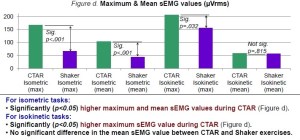
  • Suprahyoid registered sig. greater (ps < .001) values during CTAR than Shaker. SCM registered sig. greater (ps < .001) values during Shaker than CTAR.
  • Suprahyoid registered sig. greater (ps ≤ .02) fatigue during CTAR than Shaker. SCM registered sig. greater (ps ≤ .002) fatigue during Shaker than CTAR.
  • Rate of change in fatigue for Suprahyoid: CTAR = Shaker (ps > .10). Rate of change in fatigue for SCM: Sig. lesser (ps ≤ .01) during CTAR than Shaker

Discussion:

  • Converging data across two amplitude measures suggest that motor unit recruitment (thus muscle strength) for Suprahyoid was significantly greater during CTAR.
  • Converging data across four fatigue measures suggest that fatigue in SCM was significantly lesser during CTAR than the Shaker exercise.
  • Extends supporting evidence on CTAR’s usefulness in targeting Suprahyoid (SCM not as actively recruited), when conducted in its full 60-secs duration.
  • Clinical trials of CTAR on dysphagic patients recommended as follow-up.
Cost effective treatment, Dysphagia Therapy, Singapore, Swallowing Problem

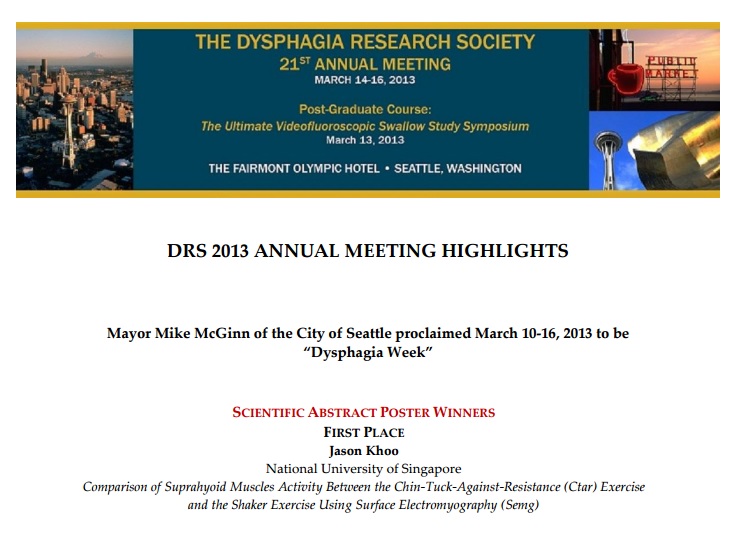
Chin Tuck Against Resistance (CTAR) Poster that was awarded first place at the DRS 2013

In March 2013, Mr Jason Khoo (A MSc SLP graduate from NUS) presented this scientific poster on CTAR at the Dysphagia Research Society Meeting at Seattle, Washington, USA in 2013. Little did we expect that CTAR actually drew so much interest at the DRS meeting and was also awarded first place for the Scientific Abstract Poster.

CTAR poster 1

CTAR was awarded first place in Scientific Abstract Poster at DRS 2013

Comparison of suprahyoid muscles activity between chin-tuck-against-resistance (CTAR) and the Shaker exercises

Jason KHOO, Susan J. RICKARD LIOW, YOON Wai Lam

Summary

For patients with pharyngeal dysphagia, therapeutic exercise such as the Shaker exercise to strengthen the suprahyoid muscles is effective in restoring oral feeding. However, observations revealed that the Shaker exercise is physically demanding for the elderly patients, thereby affecting compliance of the exercise goals. A less strenuous exercise, CTAR, was compared to the Shaker exercise by measuring the surface electromyography (sEMG) activity of the suprahyoid muscles during both exercises. The sEMG activity of the suprahyoid muscles during CTAR was similar or superior to the Shaker exercise. Therefore, CTAR exercise has the potential to achieve the same therapeutic effect as Shaker exercise and may improve compliance.

Introduction

Aim: To find out if CTAR is as effective as Shaker exercise in exercising the suprahyoid muscles.

  • The Shaker exercise has been shown to be effective for patients with dysphagia due to incomplete upper esophageal sphincter (UES) opening  (Shaker et al, 2002).
  • Performing Shaker exercise significantly increased the anteroposterior diameter of the UES (Easterling et al, 2005) and significantly reduced post-swallow aspiration (Logemann et al, 2009).
  • A key component of Shaker exercise is in exercising the suprahyoid muscles, thereby strengthening it (Shaker et al, 2002).
  • Easterling et al (2005) found out that muscle discomfort or time constraints were main reasons for the failure of their participants in attaining the Shaker exercise goals.
  • Clinical observations suggest the Shaker exercise may pose a physical challenge for elderly dysphagic with chronic disease (Yoshida et al, 2007).
  • Developing a less strenuous therapeutic exercise would potentially benefit patients who find Shaker exercise physically challenging, thereby facilitating the attainment of the exercise goals.
  • The CTAR exercise, performed in a seated position, is less strenuous as the patient is not required to lift  the weight of her head.
  • Performing the CTAR exercise in a seated position would make it more convenient for dysphagic patients who are actively mobile to comply with, thereby improving compliance.
  • The CTAR will adopt the same regime as Shaker exercise; a set of isometric (sustaining the effort) and isokinetic (repetitions) exercise with equal time base.

Research question: Would the sEMG activity of the suprahyoid muscles be higher during CTAR exercise?

Method

Participants:

N=40 healthy adults (21-40 yrs). Each participant performed a total of 4 exercise tasks, with a minimum 5 minute rest in between each task. The order of the 4 tasks are randomly assigned and counter-balanced across participants.

4 exercise tasks:

  • CTAR isometric
  • CTAR isokinetic
  • Shaker isometric
  • Shaker isokinetic

CTAR exercise (see Figure b):

  • Seated upright in chair
  • An inflatable rubber ball (diameter 12cm) is placed between chin and base of neck to provide resistance
  • Chin tuck against the ball and sustaining it for 10 sec (isometric)
  • Chin tuck against rubber ball for 10 repetitions (isokinetic)

Shaker exercise (see Figure c):

  • Supine position
  • Lift head high enough to see their toes
  • Sustaining the head lift for 10 sec (isometric)
  • Lift head for 10 repetitions (isokinetic)

sEMG (see Figure a):

  • The activity of the suprahyoid muscles was measured using sEMG via an electrode patch attached to the participant’s suprahyoid area

Results

CTAR poster result 1

Discussion

  • The CTAR exercise appears to be similarly effective or superior to Shaker exercise in utilising the suprahyoid muscles.
  • If Shaker exercise is effective in strengthening the suprahyoid muscles and increasing the anteroposterior diameter of the UES, CTAR exercise may be able to achieve a similar or greater effect.
  • CTAR exercise may be a potential alternative for elderly dysphagic patients who find Shaker exercise physically challenging.
  • This study is limited to healthy young adults. Replication of this study on an older population will enable further understanding of the impact of age.
  • Future clinical studies are necessary to evaluate the therapeutic potential of CTAR in dysphagic patients with incomplete UES opening and the compliance of CTAR exercise amongst the elderly patients.