Cost effective treatment, dysphagia assessment, Dysphagia Therapy, Dysphagia Training, Objective assessment, Singapore swallowing therapy, speech therapy singapore, Swallowing Problem, swallowing therapy, Teaching

Second Workshop for Speech Therapy Association of Turkey: VFS & FEES Interpretation and Treatment Planning

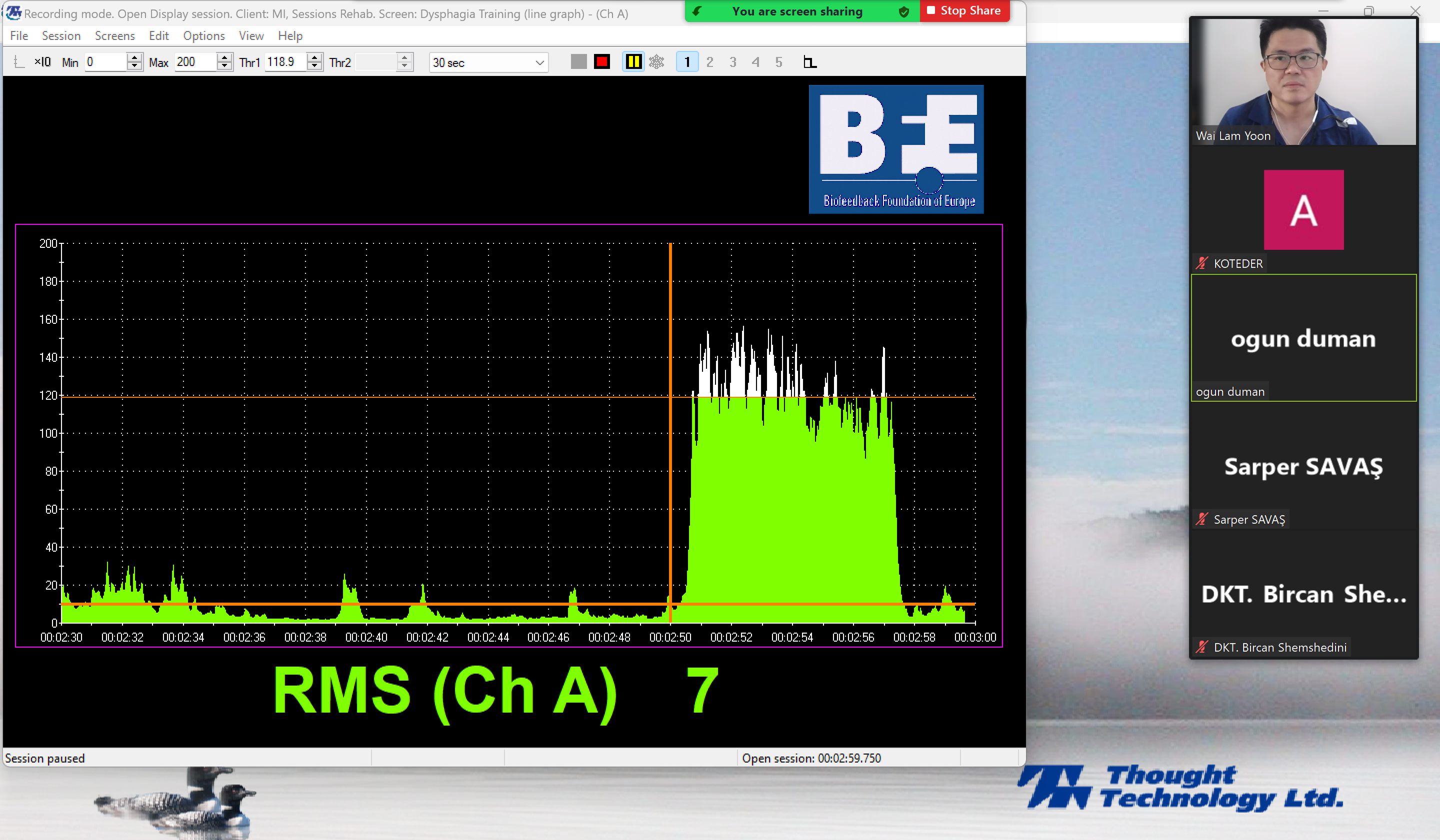
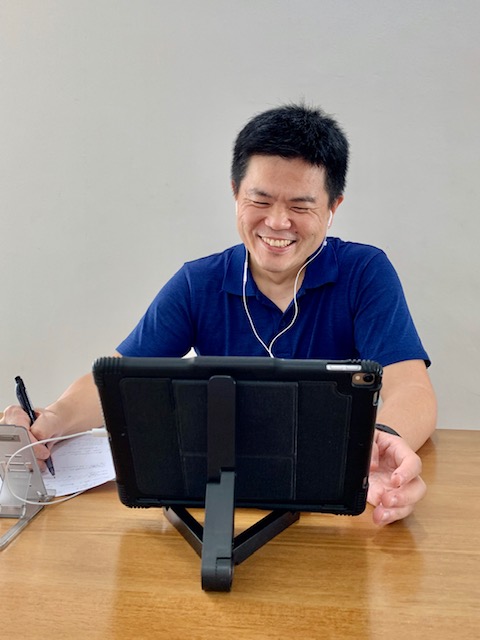
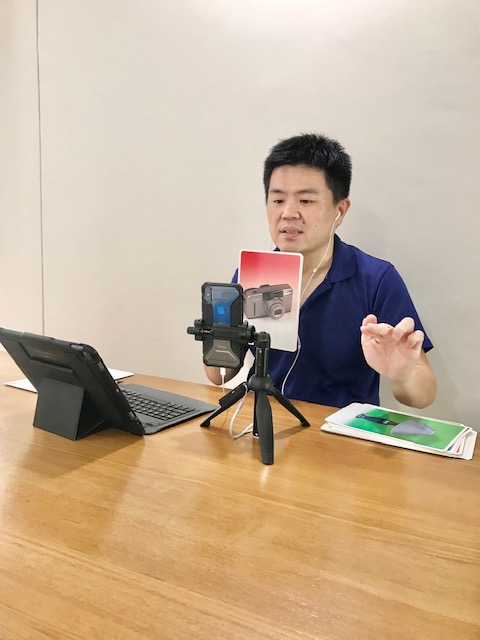
Special thanks to Mr. Ahmet Erkut, the President of the Speech Therapy Association of Turkey, for inviting Mr. Yoon Wai Lam from Singapore Swallowing Specialists to present at the second Zoom workshop (23 & 30 June 2024) on “VFS & FEES Interpretation and Treatment Planning” to the Speech Therapy Association of Turkey. The workshop was attended by more than 140 enthusiastic speech therapists, resulting in lots of great questions and discussions.

We look forward to more future collaboration.


The following are some of the slides from the FEES Workshop:

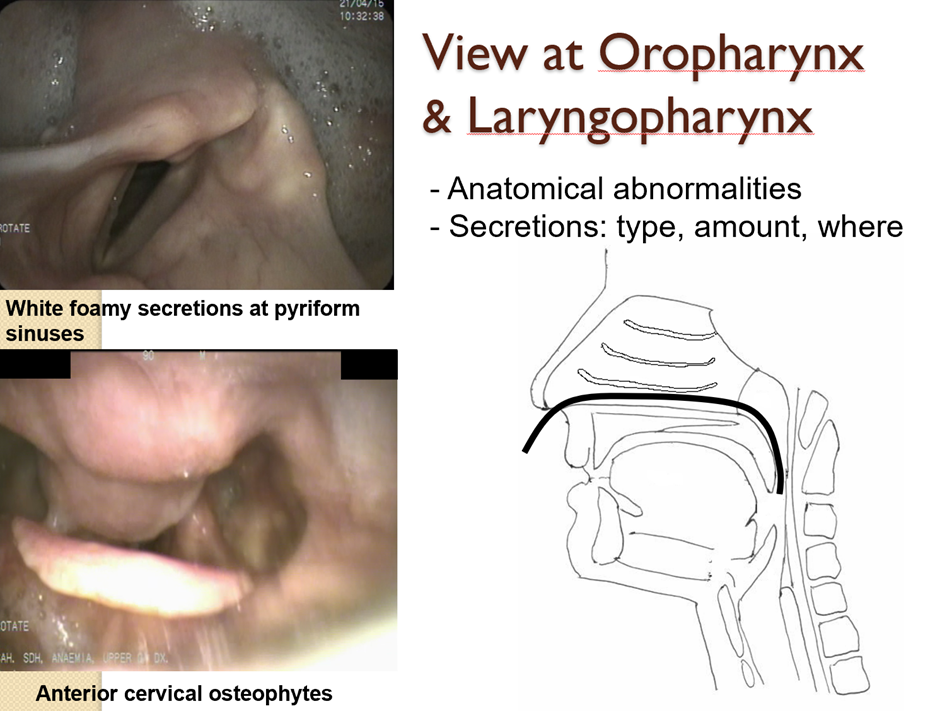
FEES view at the Oropharynx and Laryngopharyx

FEES: Anatomy of the pharynx and larynx (Superior View)
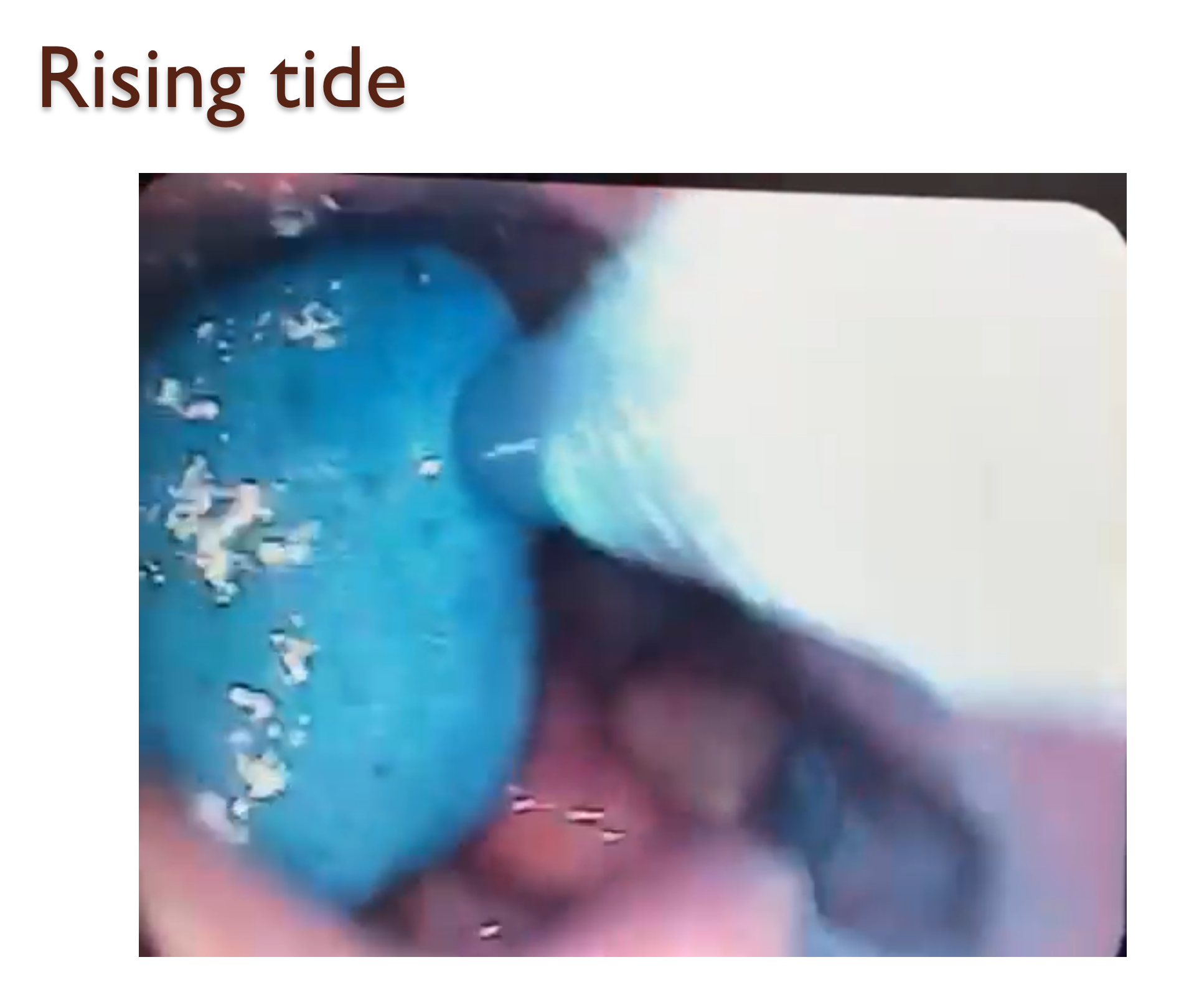
FEES: Interesting case study on the “Rising Tide” presentation

The following are some of the slides from the VFS workshop:

VFS: Anatomy
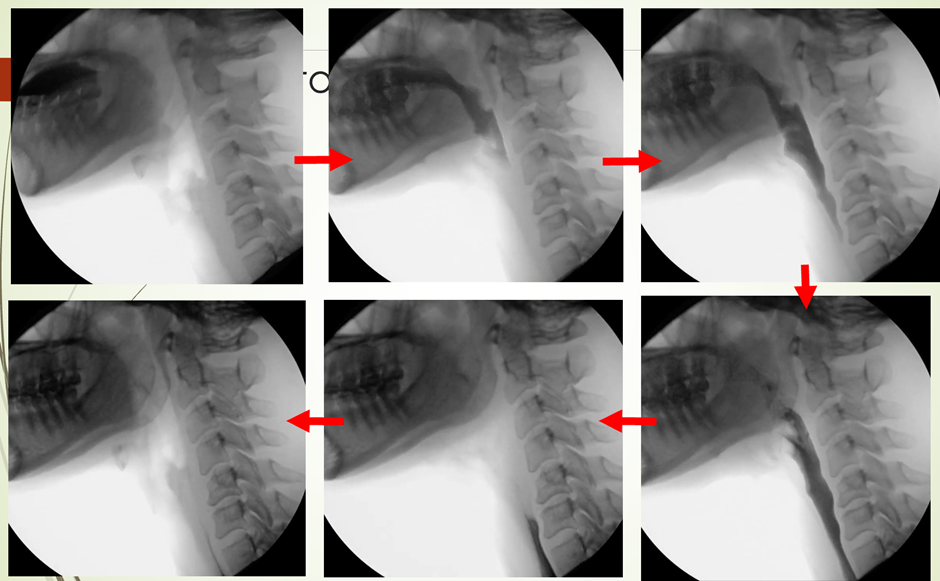
VFS: The normal swallowing sequence
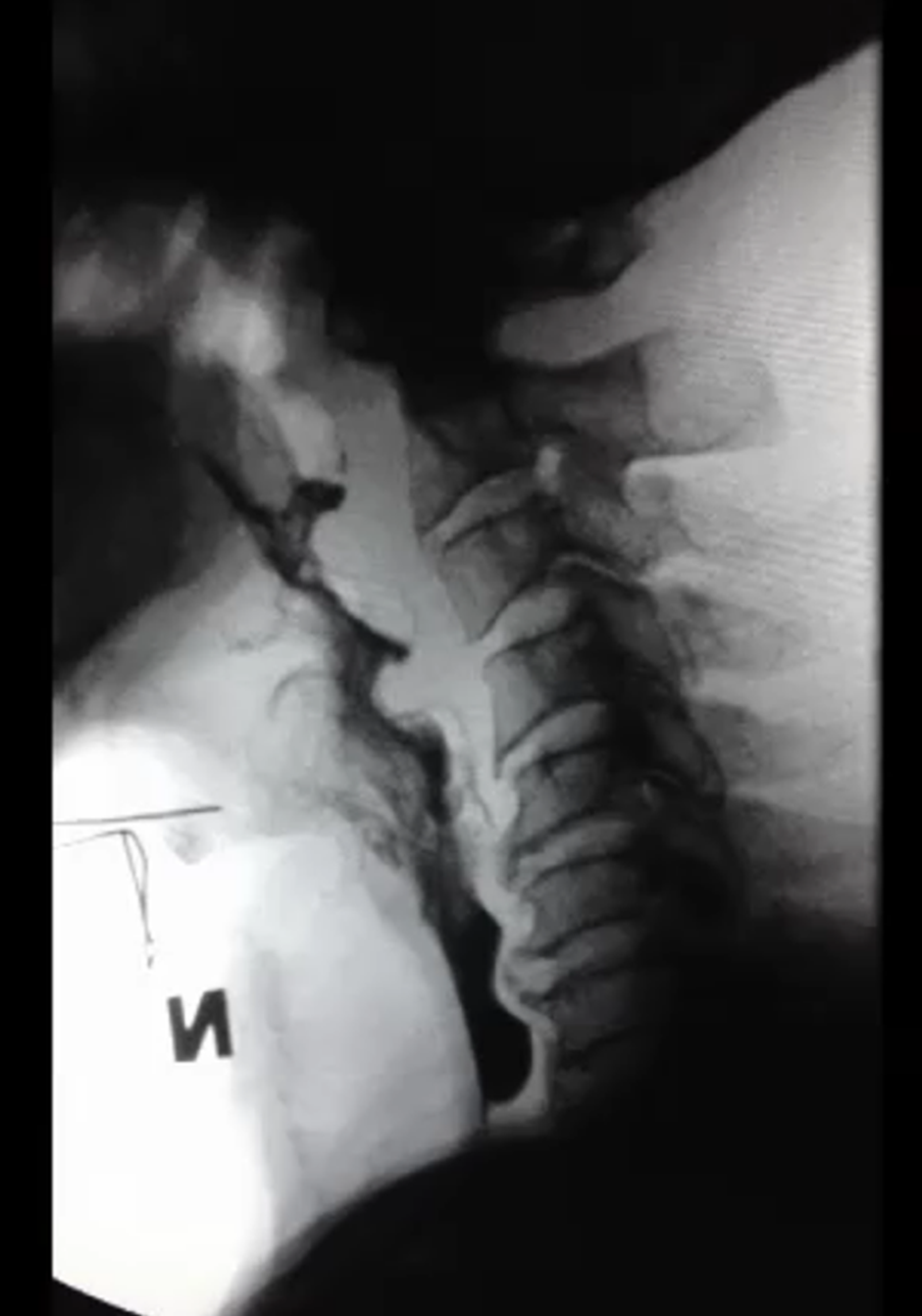
VFS: Case Study on the “Tennis Player”
A chronic severe dysphagia client was successfully treated with therapy using sEMG biofeedback. This client managed to resume a regular diet and thin fluids and had his PEG tube removed.

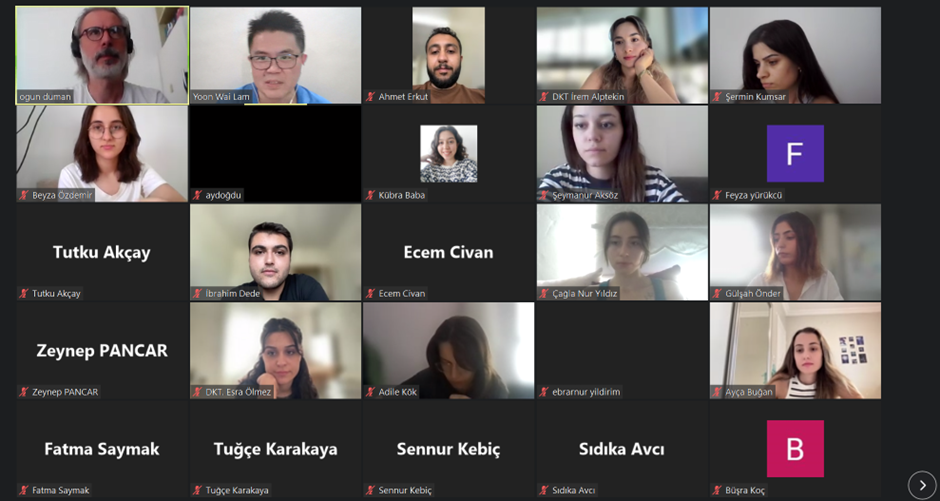
Here are the photos of the workshop participants:

Cost effective treatment, Dysphagia Therapy, Public, Public awareness, Singapore, Singapore swallowing therapy, speech therapy singapore, Swallowing Problem, swallowing therapy

1st Singapore Swallowing Therapy CTAR Contributes to Swallowing Rehabilitation Evolution

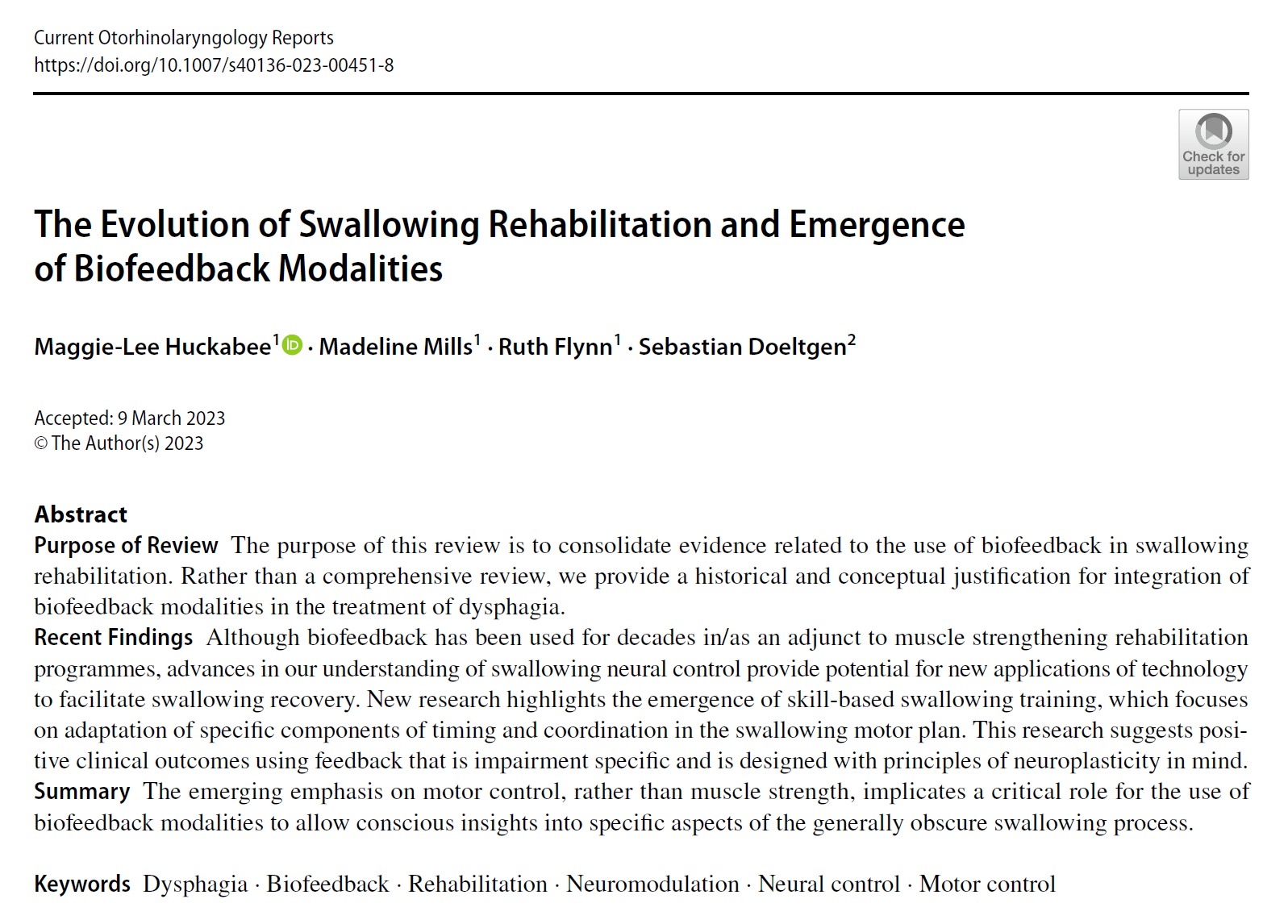
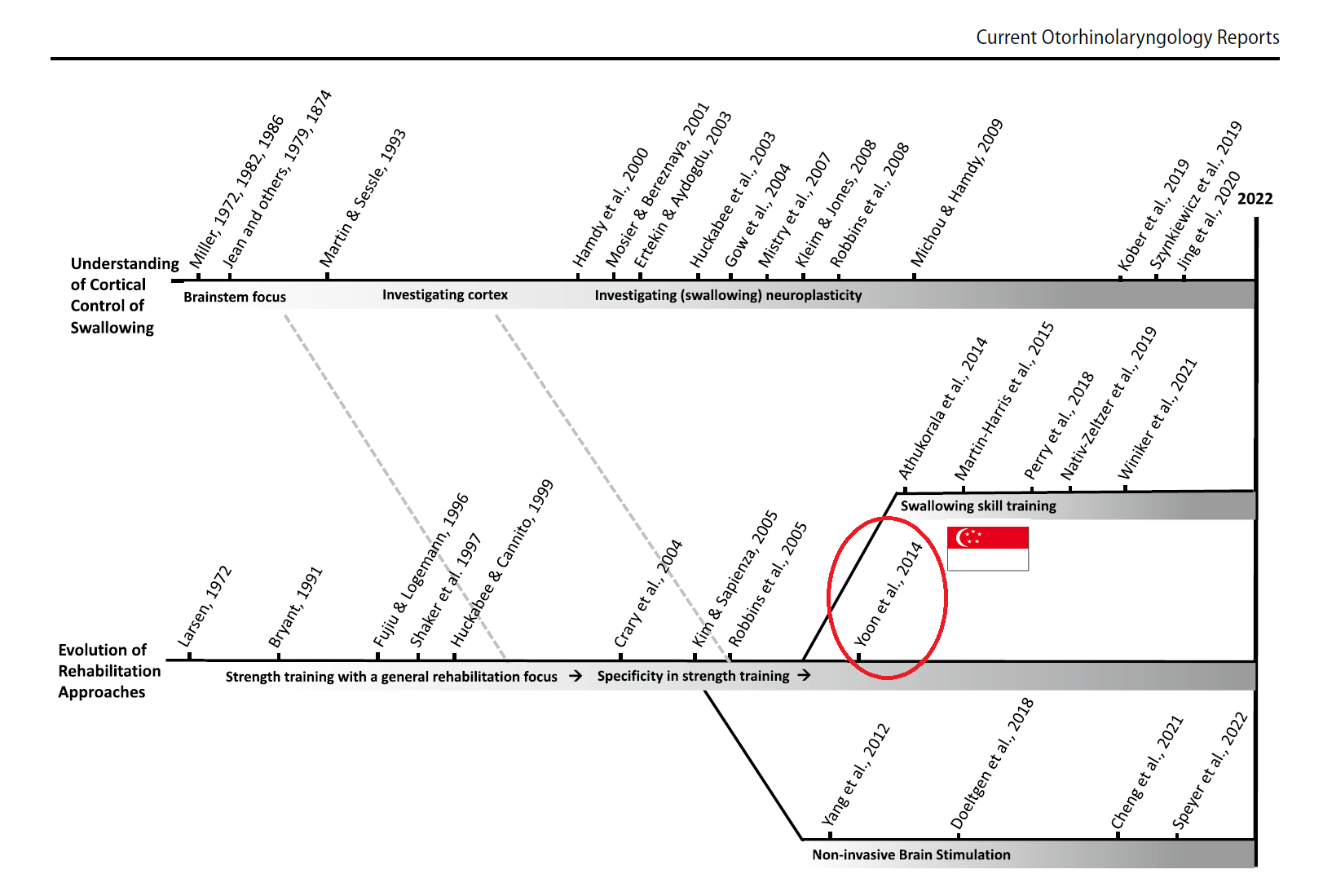
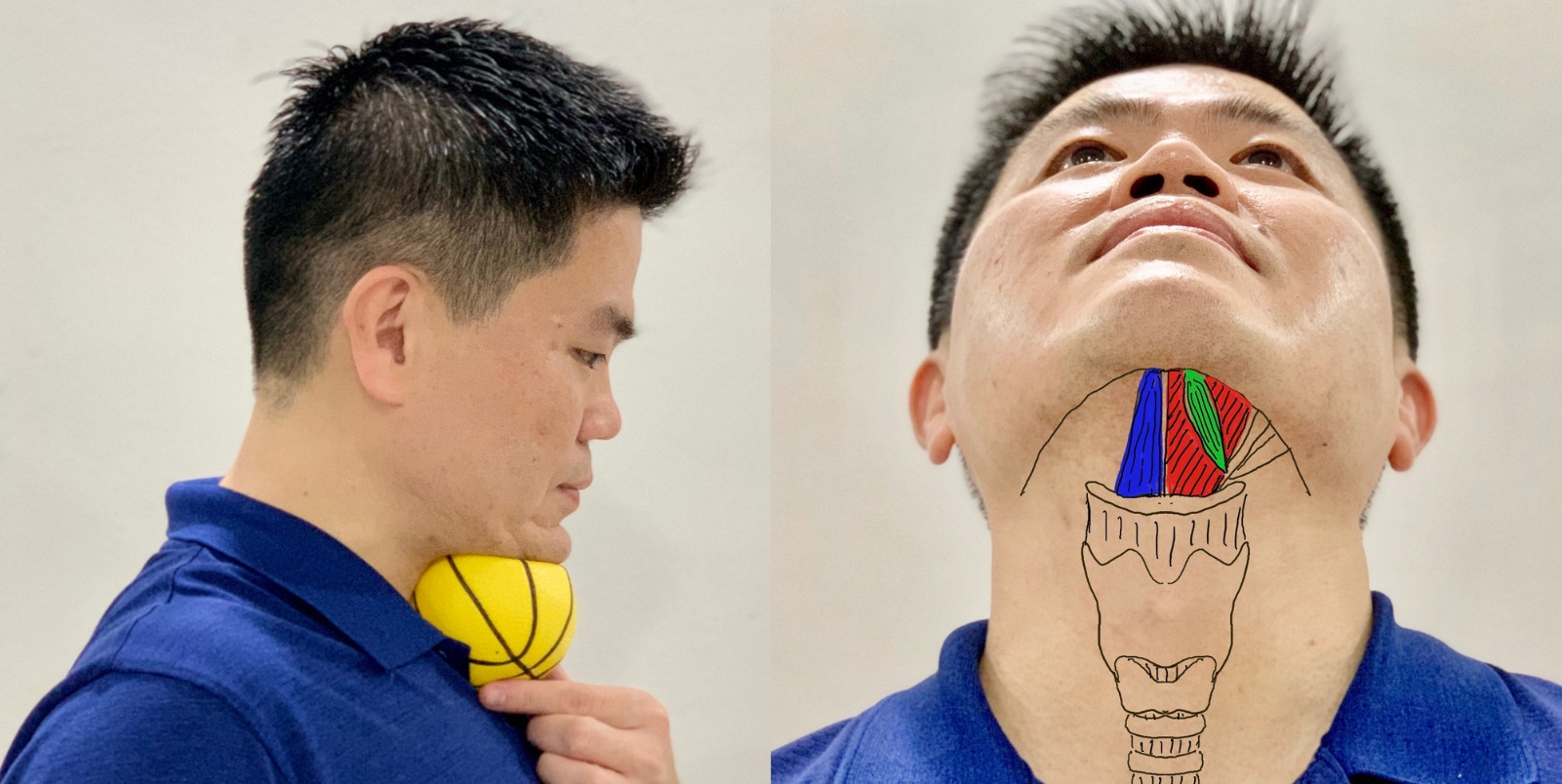
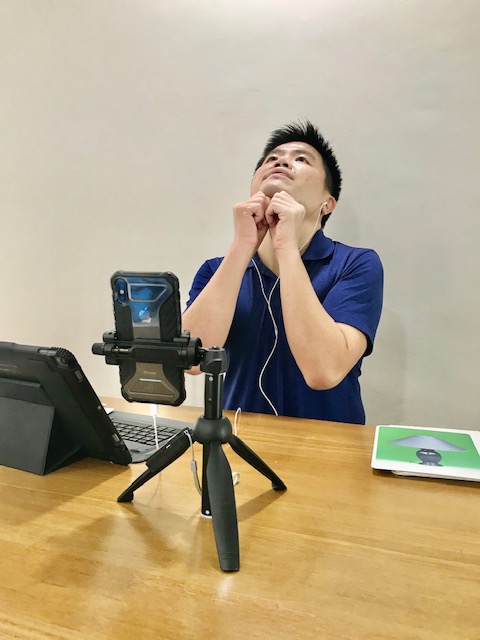
The year 2023 marks a monumental achievement for the Singapore Speech Therapy/Dysphagia community as CTAR (Chin Tuck Against Resistance), the inaugural swallowing therapy exercise, gains recognition for its pivotal role in advancing swallowing rehabilitation (Huckabee et al., 2023). Invented by Mr. Yoon Wai Lam, a distinguished Speech Therapist from Singapore, CTAR aims to provide a simple, economical, and highly effective exercise for strengthening the suprahyoid muscles involved in swallowing. Mr. Yoon first developed CTAR using a S$2.00 ‘pasar malam’ (a Malay word meaning night market in Singapore) inflatable rubber ball.

Figure taken from:
Huckabee, ML., Mills, M., Flynn, R. et al. The Evolution of Swallowing Rehabilitation and Emergence of Biofeedback Modalities. Curr Otorhinolaryngol Rep 11, 144–153 (2023). https://doi.org/10.1007/s40136-023-00451-8

CTAR made its global debut at the Dysphagia Research Society conference in 2013 in Seattle, Washington, USA. The unexpected surge of interest and the honor of receiving first place for the Scientific Abstract Poster underscored CTAR’s immediate impact. The initial CTAR journal article, published in Dysphagia Journal in 2014, quickly became one of the top 10 most downloaded articles of that year. A subsequent 2016 article further solidified its influence, collectively amassing 157 citations in various textbooks and journal articles to date.

Beyond its original conception, CTAR inspired the development of numerous devices globally. However, Mr. Yoon distinguished himself by advancing the CTAR procedure without additional costs or commercial devices, relying solely on hand movements.

In a commendable move towards accessibility, Mr. Yoon launched the Singapore Swallowing Specialists YouTube Channel (http://www.youtube.com/@singaporeswallowingspecial735). This platform provides free CTAR videos in multiple languages, reaching over 60 thousand individuals worldwide.

The details of the CTAR exercise can be found at the following links:

References:

  • Huckabee, ML., Mills, M., Flynn, R. et al. The Evolution of Swallowing Rehabilitation and Emergence of Biofeedback Modalities. Curr Otorhinolaryngol Rep 11, 144–153 (2023). https://doi.org/10.1007/s40136-023-00451-8
  • Sze, W. P., Yoon, W. L., Escoffier, N., & Rickard Liow, S. J. (2016). Evaluating the Training Effects of Two Swallowing Rehabilitation Therapies Using Surface Electromyography-Chin Tuck Against Resistance (CTAR) Exercise and the Shaker Exercise. Dysphagia, 31(2), 195–205. http://doi.org/10.1007/s00455-015-9678-2
  • Yoon, W.L., Khoo, J., & Liow, S. (2014). Chin tuck against resistance (CTAR): a new method for enhancing suprahyoid muscle activity using a Shaker-type exercise. Dysphagia. Retrieved from http://link.springer.com/article/10.1007/s00455-013-9502-9
Dysphagia Therapy, Dysphagia Training, Singapore swallowing therapy, speech therapy singapore, Swallowing Problem, swallowing therapy, Teaching

Workshop for Speech Therapy Association of Turkey : Dysphagia Management in Adults

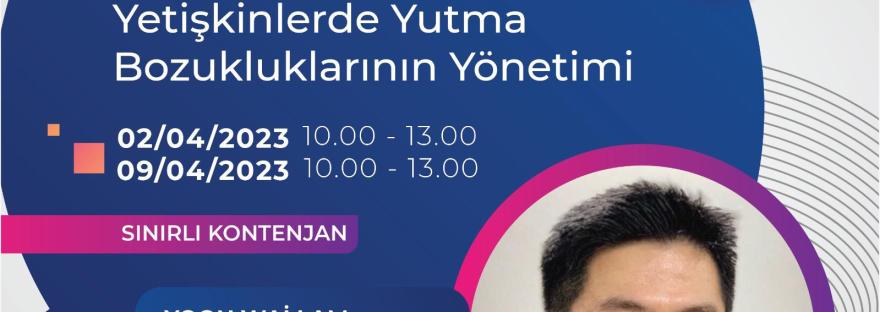
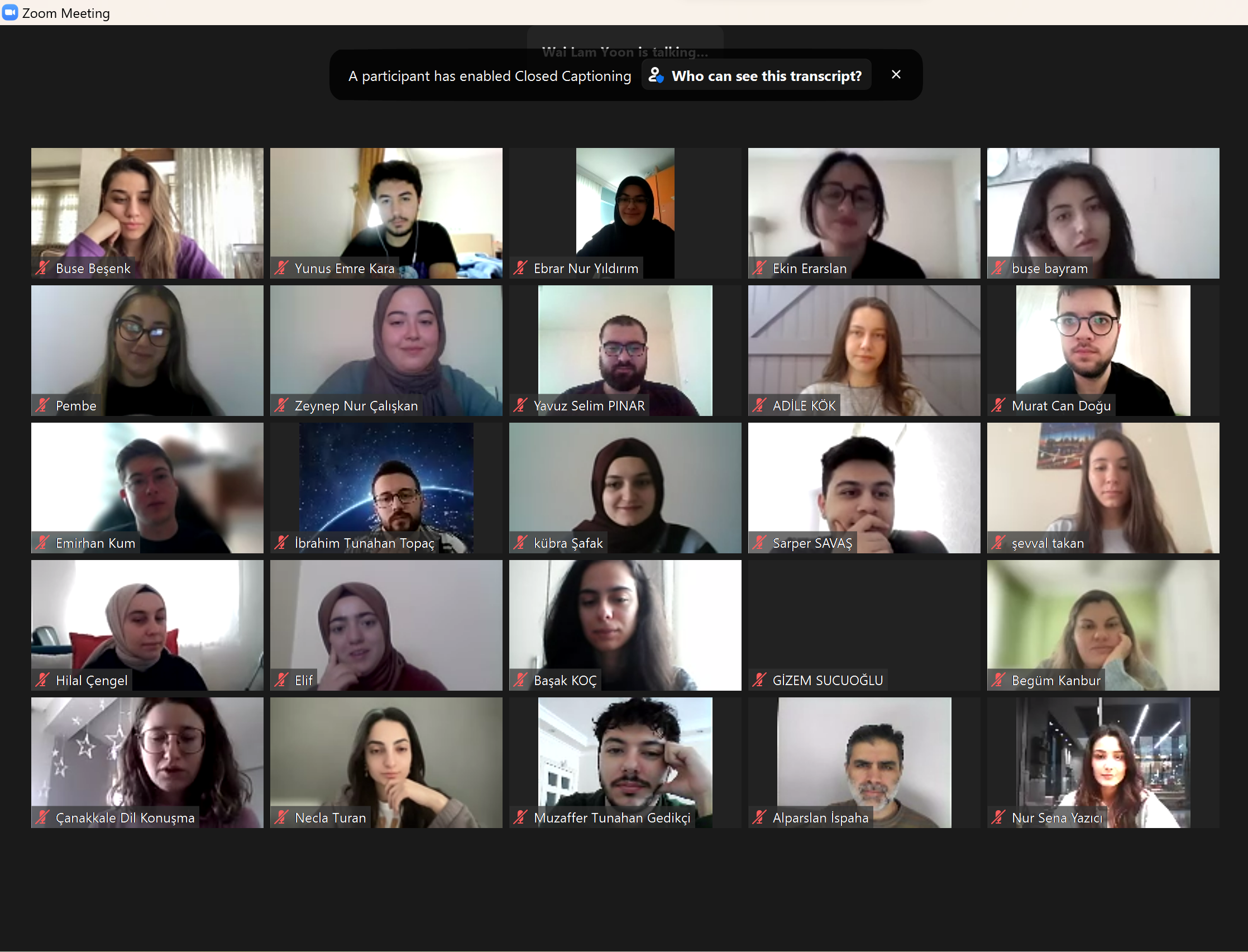
Special thanks to Mr Ahmet Erkut, The President of Speech Therapy Association of Turkey for invited Mr Yoon from Singapore Swallowing Specialists to present on this Zoom Workshop (2 & 9 April 2023) on “Dysphagia Management in Adult” for the Speech Therapy Association of Turkey. Attended by more than 140 enthusiastic Speech Therapists. Lots of great questions and discussions. We hope to have more collaboration in future.

speech therapy singapore

Our Online Speech Therapy or Telepractice Experience in Singapore during Covid-19

According to ASHA definition: https://www.asha.org/Evidence-Maps/
‘Telepractice is the application of telecommunications technology to the delivery of speech language pathology and audiology professional services at a distance by linking clinician to client or clinician to clinician for assessment, intervention, and/or consultation.’

Telepractice for Speech Therapy has been proven to be effective and has been practiced in countries like the United States, Canada and Australia.

Our experience:
Since Covid-19 outbreak started, the acceptance of telepractice for speech therapy in Singapore has increased significantly especially during the circuit breaker period.

Our experience shows that it benefits most of our clients who require speech and language therapy, and to some of our clients who require swallowing therapy. We prefer to use Zoom Meetings for our telepractice. We find it easy to be used for 1-to-1 session as well as for group therapy sessions. Therapy tasks can to be shared and be viewed easily by our client(s). Clients are able to respond easily by indicating their answers on the screen by using the writing/drawing function. The Zoom file sharing function has allowed us to still customize and personalize each therapy sessions for our clients.

However, we need to take into consideration client’s proficiency level in technology. For clients who are less tech proficient, our experience shows that simple apps such as Facetime and Whatapp video call can work as well.

LATEST: On 24/4/2020, Facebook has just announced their videoconferencing function that allows video meeting up to 50 people without downloading any apps. That will open up another platform for telepractice.

For Speech-Language Therapists who would like to adopt Telepractice, you may refer to the following links for resources:

Cost effective treatment, dysphagia research, Dysphagia Therapy, Singapore, speech therapy singapore, speech-language therapy, Swallowing Problem, Teaching, Uncategorized

Second Publication on Chin Tuck Against Resistance (CTAR)

We are happy to announce that the follow up study on CTAR has been published online (online first version) in Dysphagia Journal.

Original Paper

Dysphagia

pp 1-11

First online: 02 February 2016

Evaluating the Training Effects of Two Swallowing Rehabilitation Therapies Using Surface Electromyography—Chin Tuck Against Resistance (CTAR) Exercise and the Shaker Exercise

  • Wei Ping Sze 
  • , Wai Lam Yoon
  • , Nicolas Escoffier
  • , Susan J. Rickard Liow

Abstract

In this study, the efficacy of two dysphagia interventions, the Chin Tuck against Resistance (CTAR) and Shaker exercises, were evaluated based on two principles in exercise science—muscle-specificity and training intensity. Both exercises were developed to strengthen the suprahyoid muscles, whose contractions facilitate the opening of the upper esophageal sphincter, thereby improving bolus transfer. Thirty-nine healthy adults performed two trials of both exercises in counter-balanced order. Surface electromyography (sEMG) recordings were simultaneously collected from suprahyoid muscle group and sternocleidomastoid muscle during the exercises. Converging results using sEMG amplitude analyses suggested that the CTAR was more specific in targeting the suprahyoid muscles than the Shaker exercise. Fatigue analyses on sEMG signals further indicated that the suprahyoid muscle group were equally or significantly fatigued (depending on metric), when participants carried out CTAR compared to the Shaker exercise. Importantly, unlike during Shaker exercise, the sternocleidomastoid muscles were significantly less activated and fatigued during CTAR. Lowering the chin against resistance is therefore sufficiently specific and intense to fatigue the suprahyoid muscles.

Details of the journal can be found at http://link.springer.com/article/10.1007%2Fs00455-015-9678-2

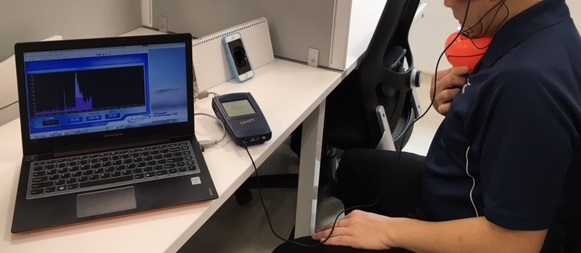
We are happy to announce that we are starting our third CTAR research at the National University of Singapore.

CTAR research 3
CTAR research 3 in progress

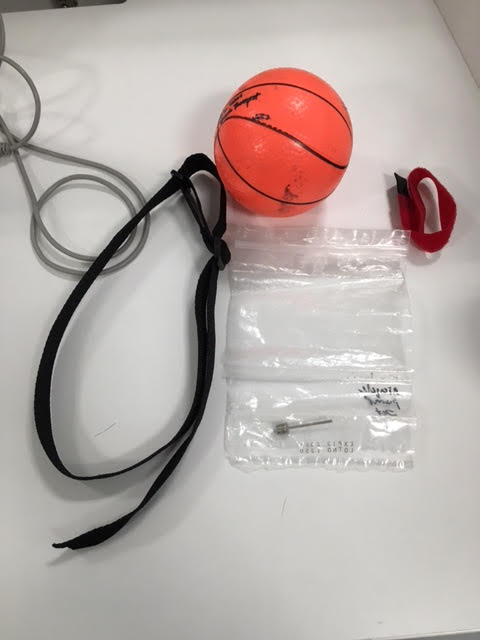
materials for CTAR 3
Materials used in CTAR 3

Cost effective treatment, Dysphagia Therapy, speech therapy singapore, speech-language therapy, Teaching

Beckman Oral Motor Assessment and Intervention © Course

beckman OM

About the Workshop:

Oral motor impairment presents a variety of challenges for both the individual affected, and for the care team providing intervention. Often the individual experiencing oral motor difficulties is not able to follow commands. The person may not be eating or taking fluids orally, which reduces the opportunities for observation of oral movement patterns. The majority of baseline protocols currently available require at least minimal direction-following skills. The protocol developed by Beckman uses mechanical muscle responses, which are not mediated cognitively, to baseline the response to pressure and movement, range of movement, variety of movement, strength of movement and control of movement for the lips, cheeks, jaw, and tongue. In this two day course, participants will actively participate in hands-on practice for compensatory handling techniques for the following concerns: tonic bite, tonic bite on a utensil, slow oral transit, tongue thrust, cough, gag and vomit. The participants will complete an oral motor protocol with each other, analyze the results, and discuss data tracking. The participants will also complete hands-on practice for specific oral motor interventions to address the deficit areas discovered during baseline assessment. Additional topics of discussion may include: goal writing, diet texture progression, tube to oral issues, adaptive mealtime utensils, oral hygiene issues, medication administration issues, oral function for individuals with tracheotomy, facilitating improved articulation through oral motor techniques, research issues, videofluroscopy issues for motorically involved individuals.

Speaker: Mr Stephen Chan (Occupational Therapist)

Target Participants: Licensed Occupational Therapists AND Speech and Language Pathologists/Speech Therapists

Date &Time:  9th & 10th March, 2016 (Wed & Thur) 9:30am – 5:30pm

Venue: Room 706, Peninsula Tower, No. 538, Castle Peak Road, Kowloon, HONG KONG

Seat Availability: 30 seats

Course Fee:

  • Early Bird registration by 9th January, 2016: HK$4,000 (including course materials)
  • Standard registration by 9th February, 2016: HK$4,500 (including course materials)

Certification: Upon 100% attendance, participants are awarded the Certificate of Completion by Beckman & Associates, Inc. And after the completion of the course, participants’ name can be listed (optional) on the website http://www.beckmanoralmotor.com.

Enquiry: To learn more about the course, please visit the website: http://www.beckmanoralmotor.com

Registration form can be downloaded from: http://www.crest.hk/wp-content/uploads/2014/07/Beckman-Certificate-Course-Information-by-CREST-2016.03-revised.pdf

For any enquiries, please feel free to contact Mr. Stephen Chan at stephen@crest.hk or (852) 3628 3443

dysphagia assessment, Dysphagia Therapy, SHAS, speech therapy singapore, speech-language therapy, Swallowing Problem

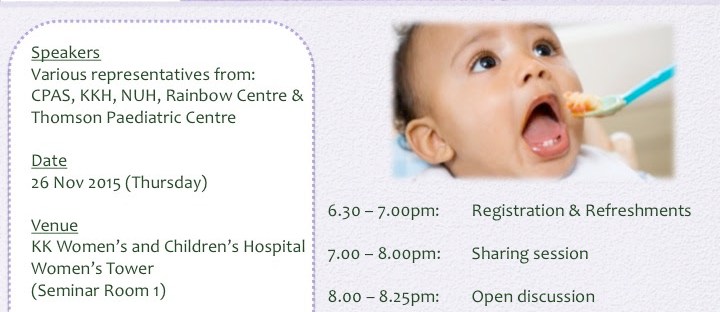
SHAS SIG : Sharing on Paediatric Feeding Services Available in Singapore

Host: Speech-Language and Hearing Association Singapore (SHAS)

The SHAS will be holding a Special Interest Group : Sharing on Paediatric Feeding Services Available in Singapore

Date: 26 November 2015 (Thursday).

Venue: KK Women’s and Children’s Hospital, Women’s Tower (Level 1), Seminar Room 1, 100 Bukit Timah Rd, Singapore 229899

There will be sharing session by various representatives from different organisations:

  • Cerebral Palsy Alliance Singapore
  • KK Women’s & Children’s Hospital
  • National University Hospital
  • Rainbow Centre
  • Thomson Paediatric Centre

SHAS paediatric feeding
If you are interested in attending the session, please email the completed registration form to pd.shas@gmail.com by 20 November 2015 (Friday). 

Dysphagia Therapy, speech therapy singapore, speech-language therapy, Swallowing Problem

Workshop on Dysphagia Management: NMES / sEMG Guardian Way in Hong Kong

Guardian Way Workshop

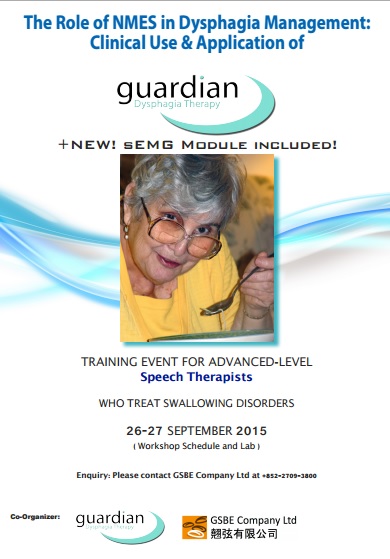
Workshop on Dysphagia Management: NMES / sEMG Guardian Way

Instructors: Teresa Biber, M.S., CCC-SLP

Nancy Calamusa, MA, CCC-SLP

Date: 26-27 September 2015 (NMES / sEMG Guardian Way)

Date: 28 September 2015 (Paediatric Workshop)

Venue: Kowloon Bay International Trade and Exhibition Centre (KITEC) Room 631, Hong Kong

Contact:  GSBE Company Ltd at 9190-0180 or or GSBECOMPANYLTD@GMAIL.COM

Co-organizer: SpectraMed, Inc. and GSBE Company Ltd

Please refer to attached registration forms for details.

pdf_SEPT2015_Form

pdf_SEP2015_GuardianWay

pdf_Paed_Workshop_SEP2015