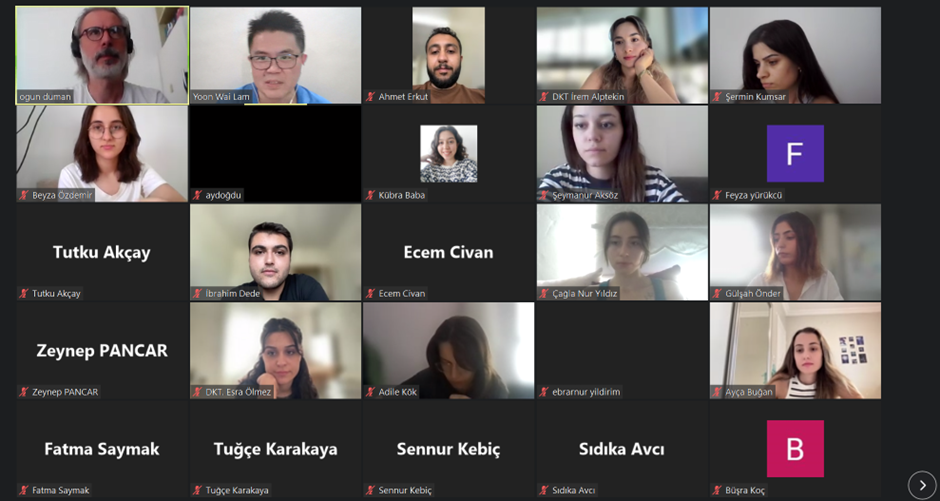
Special thanks to Mr. Ahmet Erkut, the President of the Speech Therapy Association of Turkey, for inviting Mr. Yoon Wai Lam from Singapore Swallowing Specialists to present at the second Zoom workshop (23 & 30 June 2024) on “VFS & FEES Interpretation and Treatment Planning” to the Speech Therapy Association of Turkey. The workshop was attended by more than 140 enthusiastic speech therapists, resulting in lots of great questions and discussions.
We look forward to more future collaboration.
The following are some of the slides from the FEES Workshop:
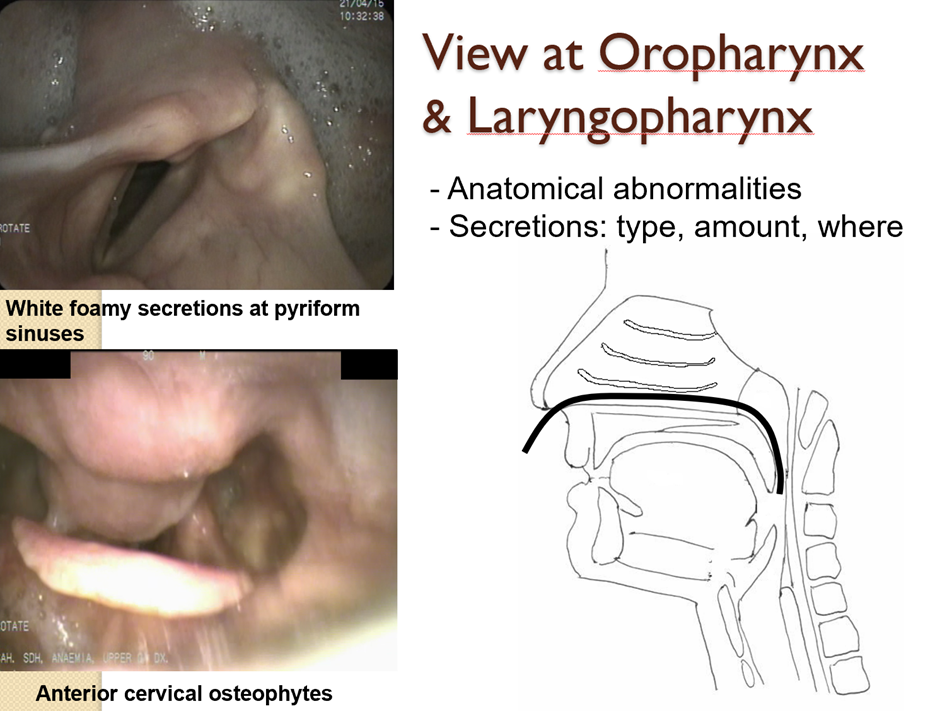
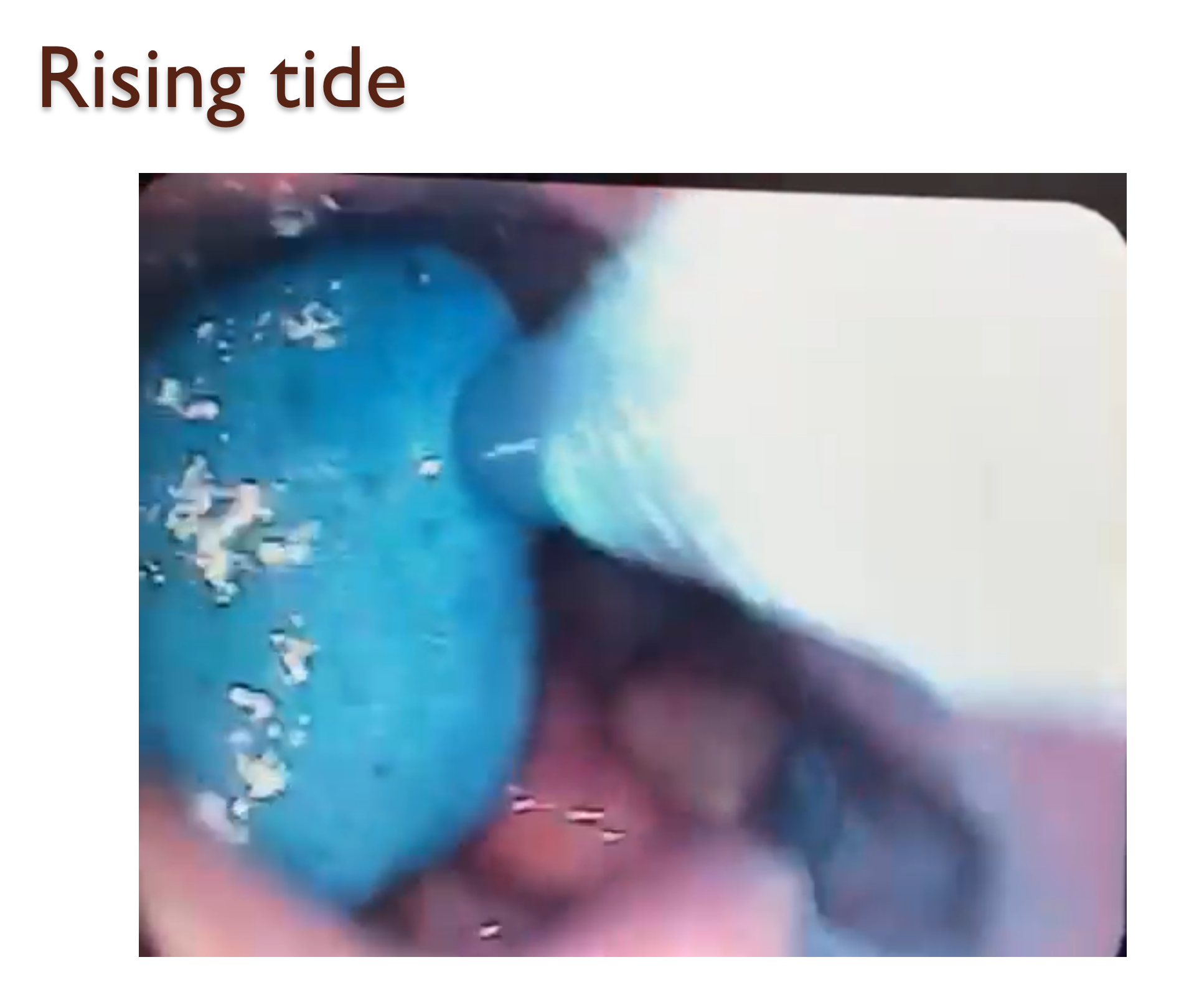
FEES view at the Oropharynx and Laryngopharyx FEES: Anatomy of the pharynx and larynx (Superior View)FEES: Interesting case study on the “Rising Tide” presentation
The following are some of the slides from the VFS workshop:
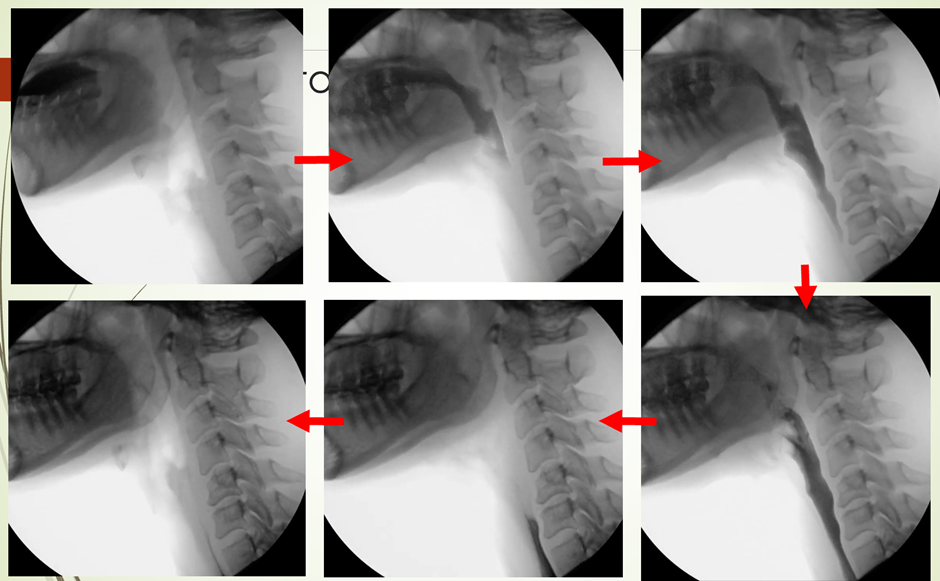
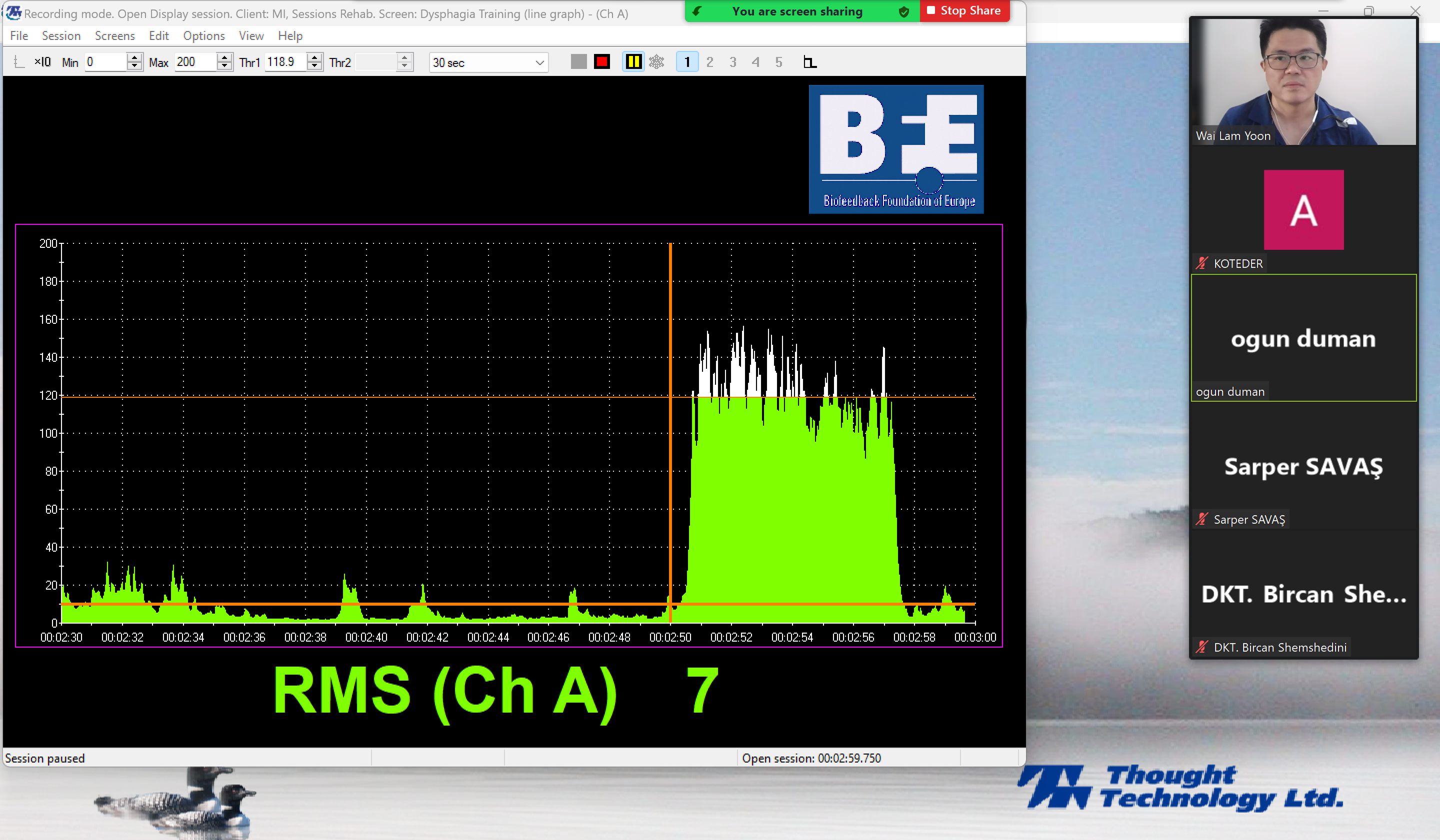
VFS: AnatomyVFS: The normal swallowing sequenceVFS: Case Study on the “Tennis Player” A chronic severe dysphagia client was successfully treated with therapy using sEMG biofeedback. This client managed to resume a regular diet and thin fluids and had his PEG tube removed.
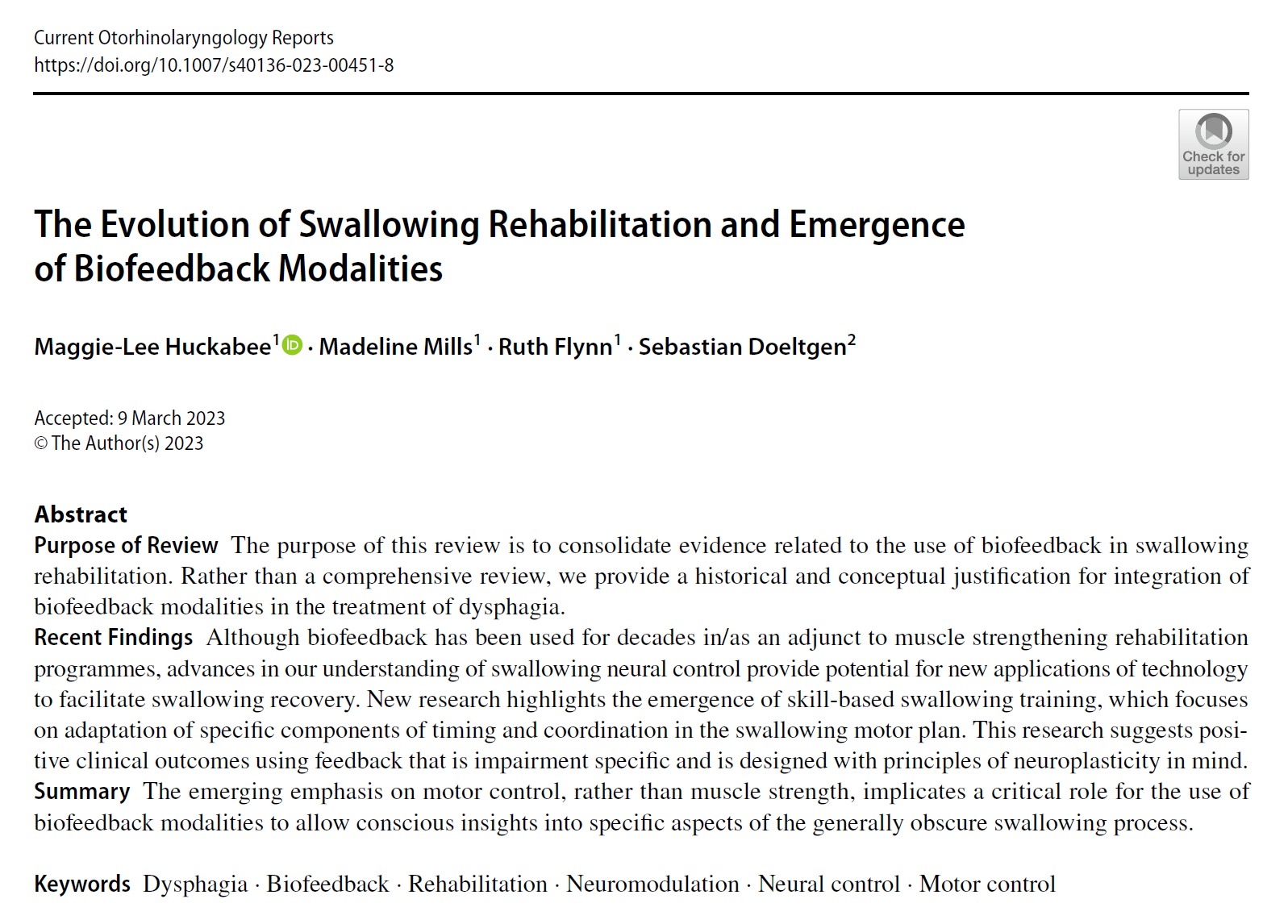
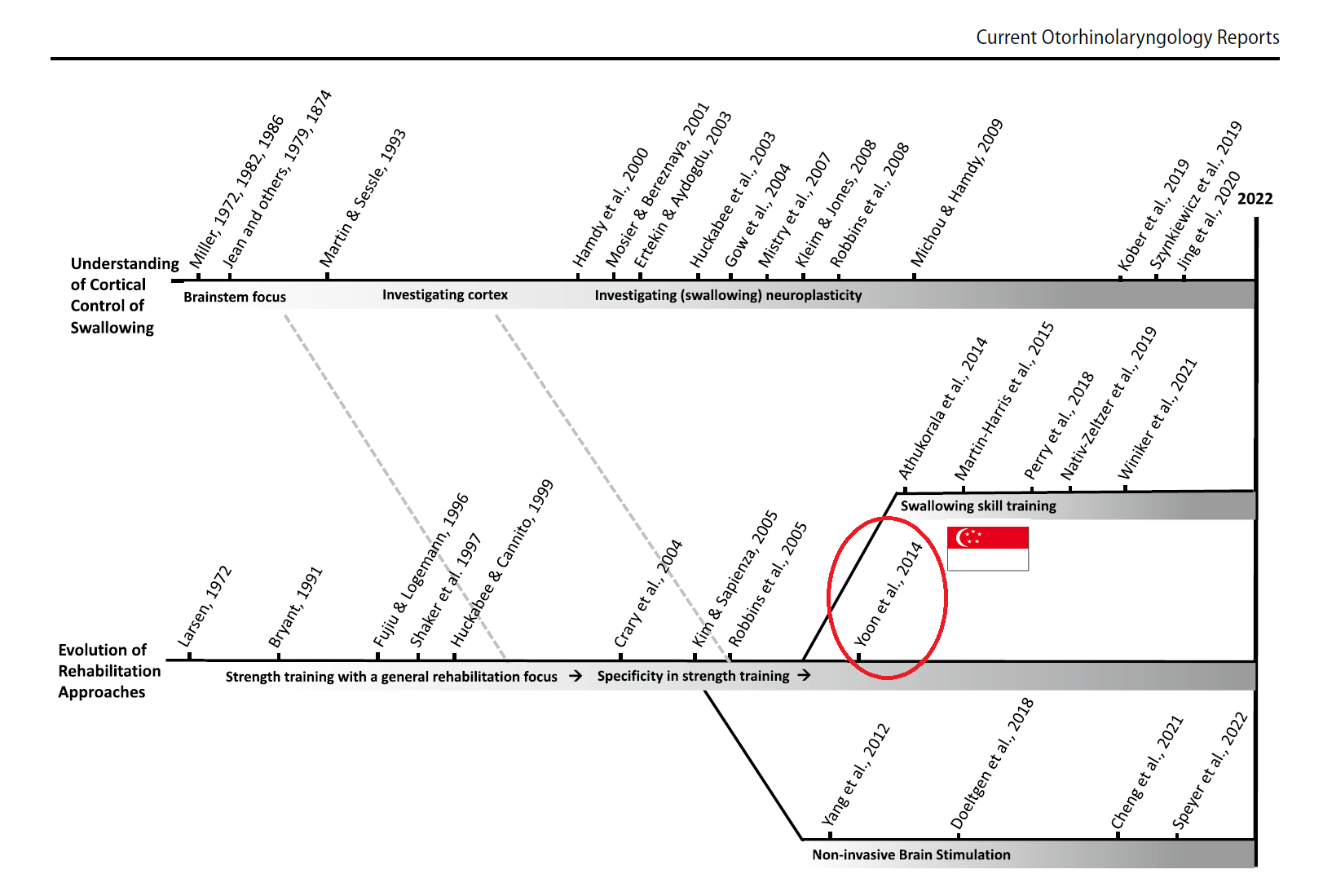
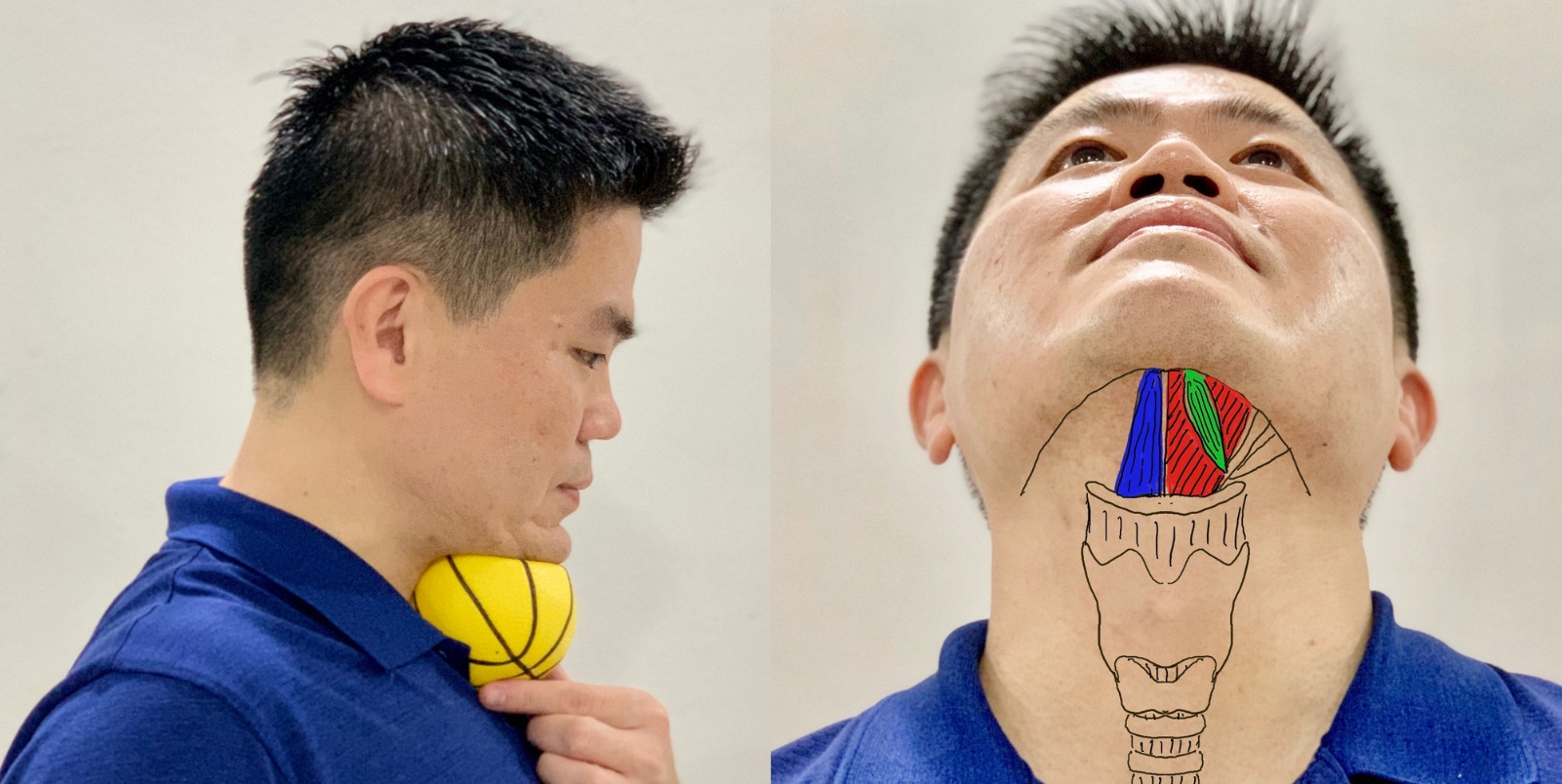
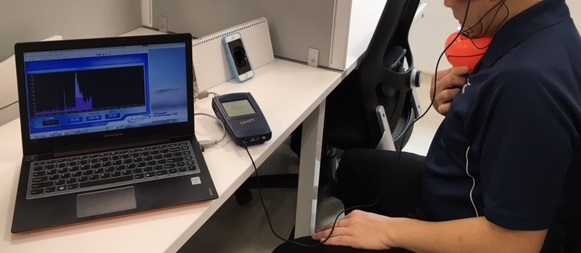
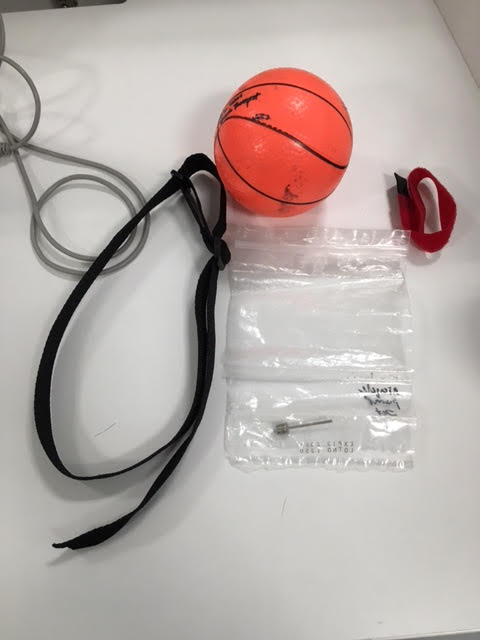
The year 2023 marks a monumental achievement for the Singapore Speech Therapy/Dysphagia community as CTAR (Chin Tuck Against Resistance), the inaugural swallowing therapy exercise, gains recognition for its pivotal role in advancing swallowing rehabilitation (Huckabee et al., 2023). Invented by Mr. Yoon Wai Lam, a distinguished Speech Therapist from Singapore, CTAR aims to provide a simple, economical, and highly effective exercise for strengthening the suprahyoid muscles involved in swallowing. Mr. Yoon first developed CTAR using a S$2.00 ‘pasar malam’ (a Malay word meaning night market in Singapore) inflatable rubber ball.
Figure taken from: Huckabee, ML., Mills, M., Flynn, R. et al. The Evolution of Swallowing Rehabilitation and Emergence of Biofeedback Modalities. Curr Otorhinolaryngol Rep 11, 144–153 (2023). https://doi.org/10.1007/s40136-023-00451-8
CTAR made its global debut at the Dysphagia Research Society conference in 2013 in Seattle, Washington, USA. The unexpected surge of interest and the honor of receiving first place for the Scientific Abstract Poster underscored CTAR’s immediate impact. The initial CTAR journal article, published in Dysphagia Journal in 2014, quickly became one of the top 10 most downloaded articles of that year. A subsequent 2016 article further solidified its influence, collectively amassing 157 citations in various textbooks and journal articles to date.
Beyond its original conception, CTAR inspired the development of numerous devices globally. However, Mr. Yoon distinguished himself by advancing the CTAR procedure without additional costs or commercial devices, relying solely on hand movements.
In a commendable move towards accessibility, Mr. Yoon launched the Singapore Swallowing Specialists YouTube Channel (http://www.youtube.com/@singaporeswallowingspecial735). This platform provides free CTAR videos in multiple languages, reaching over 60 thousand individuals worldwide.
The details of the CTAR exercise can be found at the following links:
Huckabee, ML., Mills, M., Flynn, R. et al. The Evolution of Swallowing Rehabilitation and Emergence of Biofeedback Modalities. Curr Otorhinolaryngol Rep 11, 144–153 (2023). https://doi.org/10.1007/s40136-023-00451-8
Sze, W. P., Yoon, W. L., Escoffier, N., & Rickard Liow, S. J. (2016). Evaluating the Training Effects of Two Swallowing Rehabilitation Therapies Using Surface Electromyography-Chin Tuck Against Resistance (CTAR) Exercise and the Shaker Exercise. Dysphagia, 31(2), 195–205. http://doi.org/10.1007/s00455-015-9678-2
Yoon, W.L., Khoo, J., & Liow, S. (2014). Chin tuck against resistance (CTAR): a new method for enhancing suprahyoid muscle activity using a Shaker-type exercise. Dysphagia. Retrieved from http://link.springer.com/article/10.1007/s00455-013-9502-9
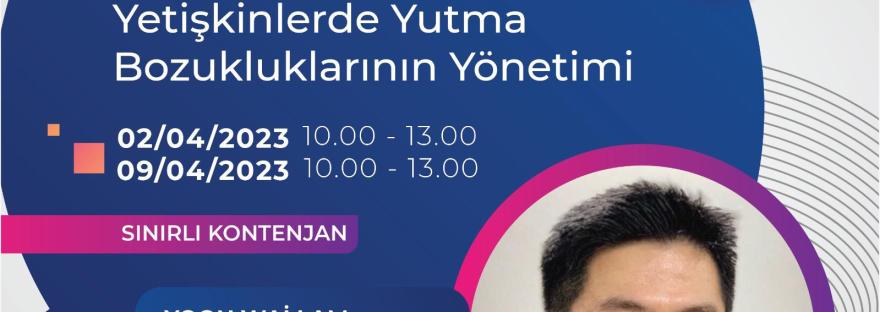
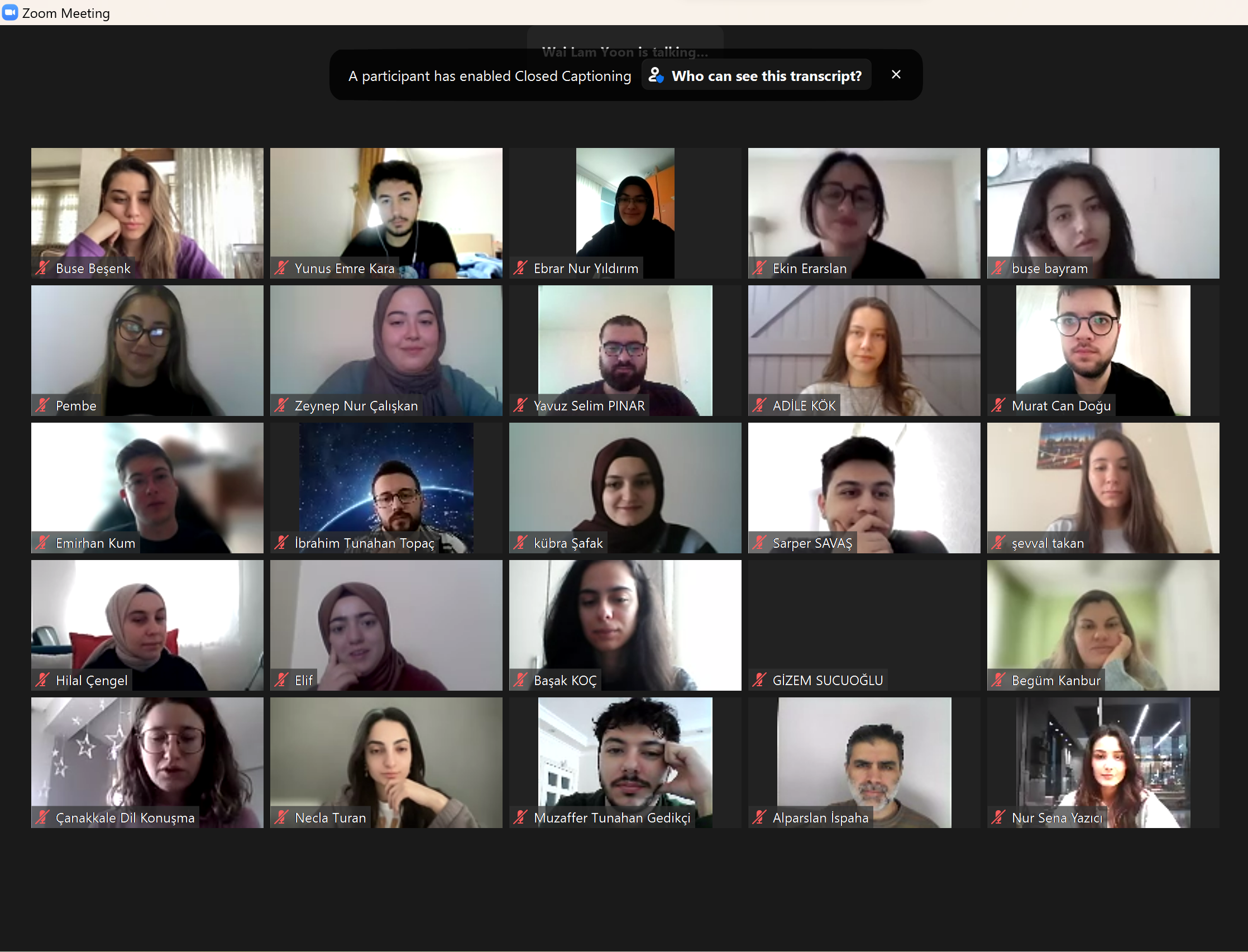
Special thanks to Mr Ahmet Erkut, The President of Speech Therapy Association of Turkey for invited Mr Yoon from Singapore Swallowing Specialists to present on this Zoom Workshop (2 & 9 April 2023) on “Dysphagia Management in Adult” for the Speech Therapy Association of Turkey. Attended by more than 140 enthusiastic Speech Therapists. Lots of great questions and discussions. We hope to have more collaboration in future.
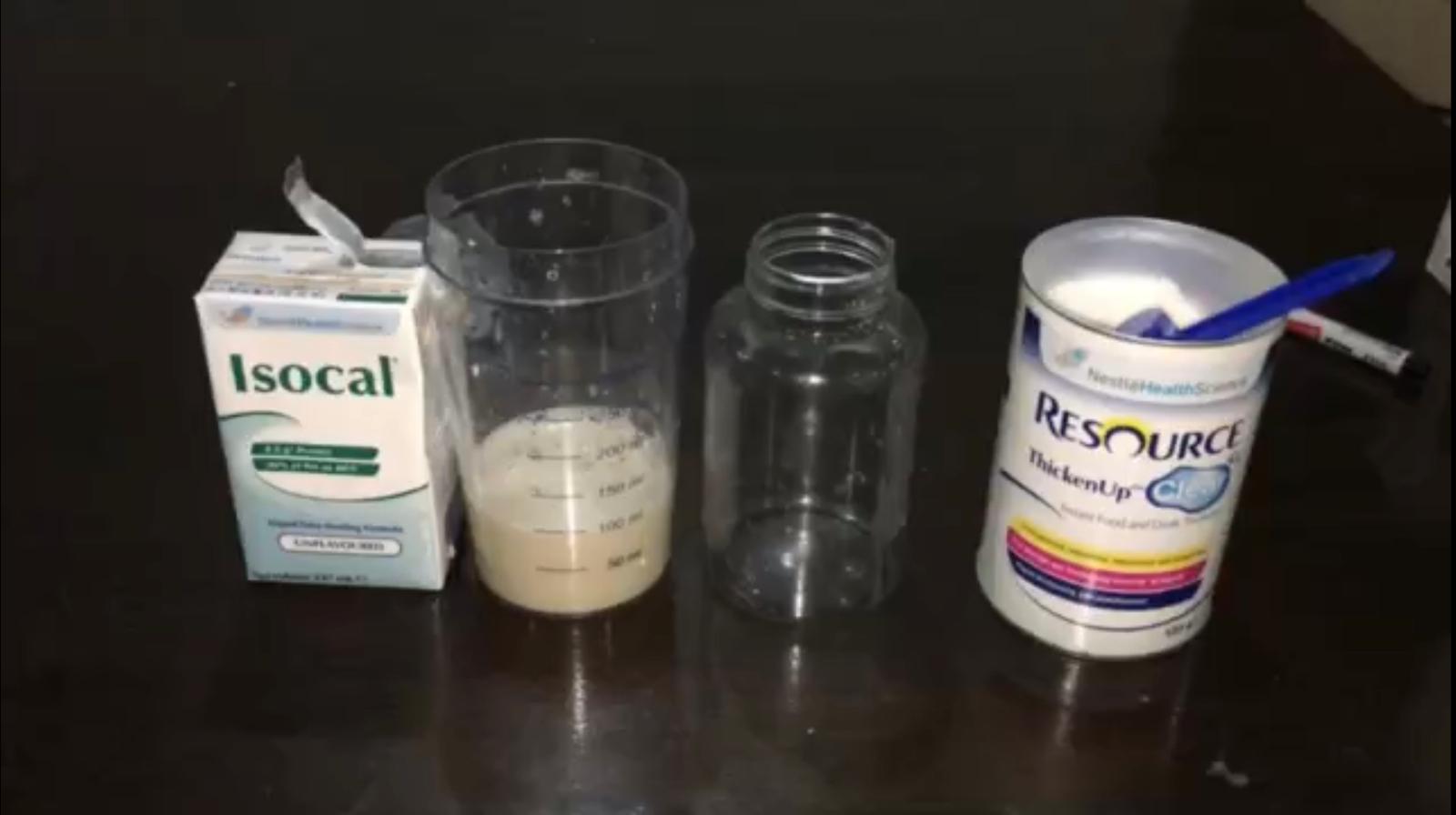
Thickening of Resource 2.0 to honey consistency with Nestle Resource ® ThickenUp® Clear
Speech therapists / pathologists in Singapore and around the world assess swallowing with different fluids or diet consistencies. Once the swallowing assessment is carried out, speech therapists will usually prescribe diet and fluids consistencies that are suitable / safer based on the assessment findings. When thickened fluids are recommended, caregiver training on thickening of fluids to the recommended consistency will usually be performed.
One of the common challenges faced by many speech therapists, nurses and caregivers is thickening of nutritional supplement with thickener. I did a search online and found out from the Resource ® ThickenUp® Clear official website (https://www.thickenupclear.com/products/resource-thickenup-clear) that it takes milk and oral nutrition supplements up to 15 minutes to reach desired consistency. It is just too time consuming to prepare thickened supplement.
I might have a way to speed up the thickening of nutritional supplements!
Many years ago, I did a project for a nutritional company in Singapore on thickening of nutritional supplement using Xanthan gum thickener (the brand that I was using in the project was Nestle Resource ® ThickenUp® Clear). I came out with the following “Manual Shake” method to thicken up the nutritional supplement (** However, this method does not work on fruit juice-based supplement). I did a quick search on google but could not find any and not sure if any speech therapists / any institutions in the world are using this method.
We have used this method to thicken up supplement in some hospitals and it has successfully reduced the timing of thickened supplement preparation time. With this method, thickening of supplement process can be achieved within 2 minutes. The thickened supplement remains stable even after 10 minutes. In the following videos (taken in 2015), I show the process of thickening of Nestle Resource 2.0 and Nestle Isocal to honey consistency (moderately thick consistency) and the consistency remains stable after 5 minutes or longer. For Nestle Resource 2.0 and Nestle Isocal, I followed the thickener dosage as listed on Nestle Resource ® ThickenUp® Clear can or dosage chart: https://www.thickenupclear.com/products/resource-thickenup-clear
You can try to use this ‘Manual Shake’ method to thicken up other nutritional supplement but the thickness might vary. I would suggest to trial and error to find out the amount of thickener required for the nutritional supplement(s) that you are using in your hospital. For patient(s) who intend to use this method to thicken up your supplement, please consult your speech therapist/pathologist for advice on the consistency and the amount of thickener powder that might be required.
As the video was done in 2015, I did not do an IDDSI (International Dysphagia Diet Standardization Initiative) flow test on the texture. We just started following IDDSI standard in Singapore and we are planning to conduct another research on this soon. For speech therapists, or dietitian or healthcare professionals who would like to ensure that the texture meet the IDDSI standard, I would suggest that you perform your own IDDSI flow test and I would be grateful if you could share with me or others. You may email me at speechtherapyworks@gmail.com and I would be most happy to post it on my blog.
I collaborated with the nurses in St Luke’s Hospital, Singapore to run a project on thickening of nutritional supplement and the project won 2 quality improvement award and the research poster was presented the International Forum on Quality and Safety in Healthcare, Taipei in 2019.
Jose, R., Rendom, J., Yoon, W.L., Abillar, L., Low, P.S., Su, A.Q., (2019 September). New Practices in Thickener Mixing for Effective Care. Poster session presented at c
Awarded:
Agency for Intergrated Care (AIC) Quality Improvement Award (2018)
St Luke’s Hospital Clinical Quality Improvement Merit Award (2017)
Here are the steps to thicken up nutritional supplement (non-juice based supplement):
Measure the amount of supplement in a measuring bottle (I would recommend to use a measuring bottle or cup with cover that allows you to shake and serve / drink from)
Mix the amount of thickening powder (Xanthan Gum) required as your stir the supplement.
Yes, the way I mix it is different as compared to the method recommended by Nestle Resource ® ThickenUp® Clear. Either way of mixing is fine. The reason I mix it the way I did was because it is not easy to ensure that the cup is always dry and pouring in thickener powder into wet cup might cause clump formation.
Cover the bottle / cup and shake it for approximately 2 minutes. *You will feel the gradual thickening up and the slowing of flow of the supplement as your shake the mixture.
Open up the cover and serve / drink. Please ensure safety in drinking the thickened supplement by following the strategies that have been recommended by your speech therapist/pathologist.
I hope you will find this ‘manual shake’ supplement thickening method useful. Please like and share with your friends and others so that the information will reach to those who might needs it.
Thickening of Resource 2.0 to honey consistency with Nestle Resource ® ThickenUp® Clear
Thickened Isocal and Resource 2.0 remain stable after more than 5 minutes
Disclaimer: When choosing food thickeners or nutritional supplements/beverages, please consult with your speech therapist/pathologist or dietitian or health care professional as to what product is appropriate for your individual needs, as consistencies vary between nutritional supplements and manufacturers. As this method is not tested using IDDSI method, health care professionals who would like to adopt this method are encouraged to perform IDDSI flow test to ensure that the thickened supplement(s) of different brands meet the standard.
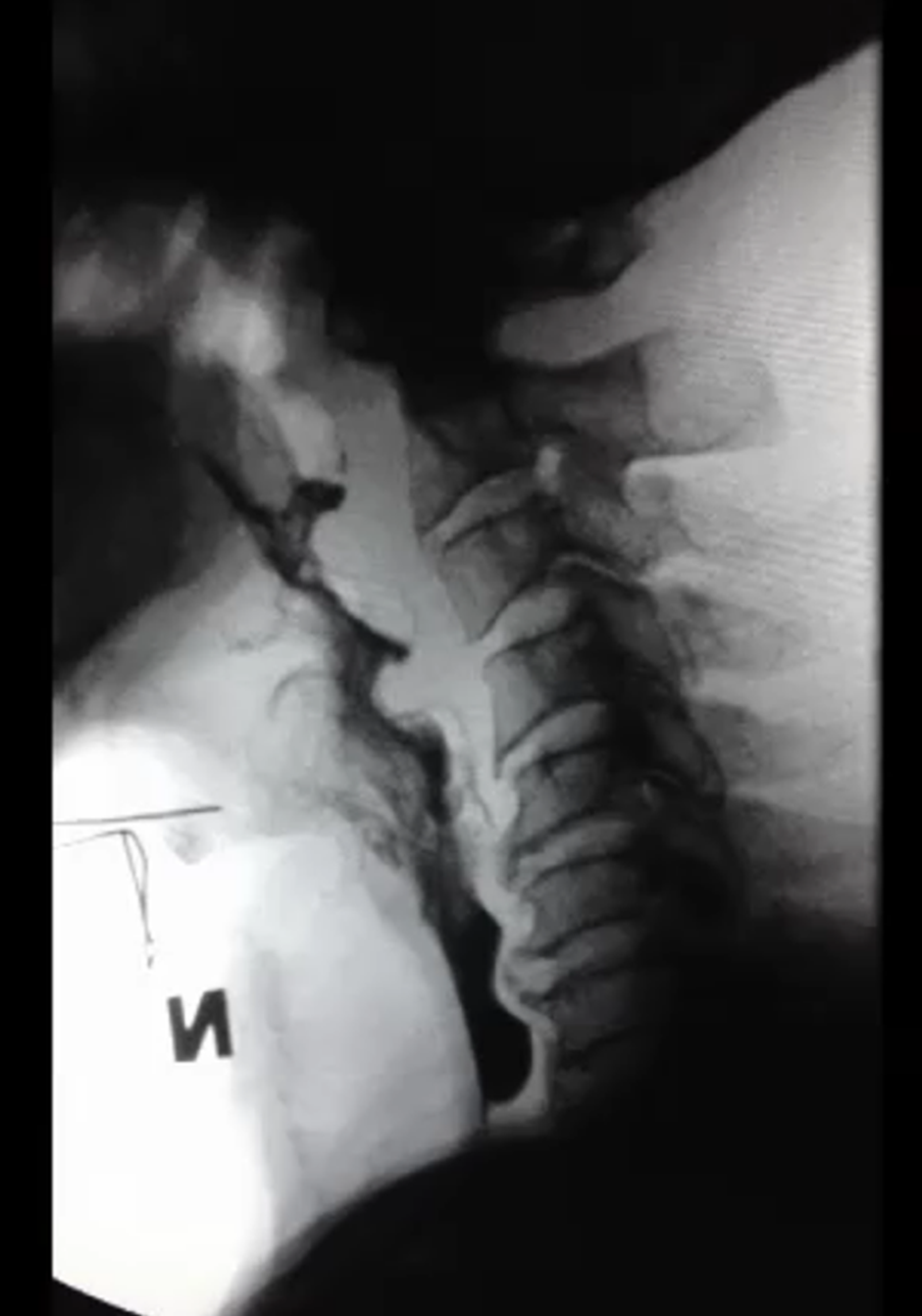
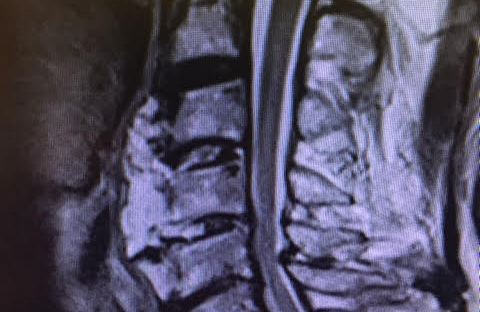
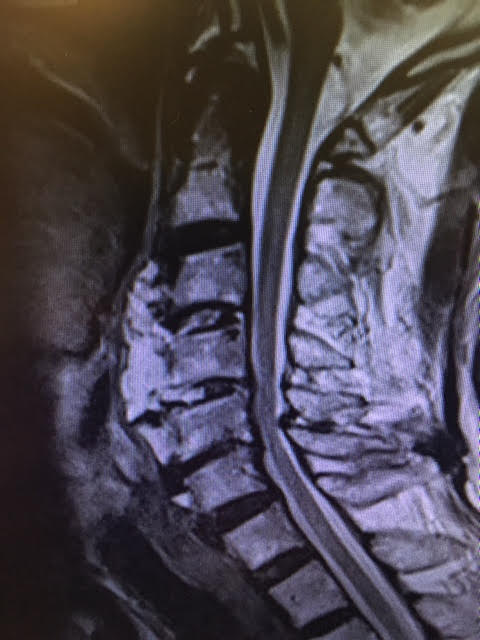
The following patient presents with dysphagia (swallowing difficulties) secondary to the presence of prominent anterior cervical osteophytes at the level of C3-C6, most prominent at C4.
Dysphagia symptoms include:
Occasional coughing noted when eating solids as well as drinking fluids.
Multiple swallows per bolus
I managed to record the patient’s usual swallowing sound using my IPhone 6s. Could this be the sound of mechanical obstruction?
Evaluating the Training Effects of Two Swallowing Rehabilitation Therapies Using Surface Electromyography—Chin Tuck Against Resistance (CTAR) Exercise and the Shaker Exercise
Wei Ping Sze
, Wai Lam Yoon
, Nicolas Escoffier
, Susan J. Rickard Liow
Abstract
In this study, the efficacy of two dysphagia interventions, the Chin Tuck against Resistance (CTAR) and Shaker exercises, were evaluated based on two principles in exercise science—muscle-specificity and training intensity. Both exercises were developed to strengthen the suprahyoid muscles, whose contractions facilitate the opening of the upper esophageal sphincter, thereby improving bolus transfer. Thirty-nine healthy adults performed two trials of both exercises in counter-balanced order. Surface electromyography (sEMG) recordings were simultaneously collected from suprahyoid muscle group and sternocleidomastoid muscle during the exercises. Converging results using sEMG amplitude analyses suggested that the CTAR was more specific in targeting the suprahyoid muscles than the Shaker exercise. Fatigue analyses on sEMG signals further indicated that the suprahyoid muscle group were equally or significantly fatigued (depending on metric), when participants carried out CTAR compared to the Shaker exercise. Importantly, unlike during Shaker exercise, the sternocleidomastoid muscles were significantly less activated and fatigued during CTAR. Lowering the chin against resistance is therefore sufficiently specific and intense to fatigue the suprahyoid muscles.
JurongHealth Speech Therapy department will be organising a 2 day workshop next year entitled ‘Best Practices in the Management of Oropharyngeal Dysphagia’. The workshop will be conducted by Dr. Catriona Steele and will be held on 20 – 21 May, 2016 at Ng Teng Fong General Hospital, Singapore.
Dr. Catriona M. Steele is a clinician scientist working in the area of swallowing and swallowing disorders. She has a background as a medical speech-language pathologist, and is Director of the Swallowing Rehabilitation Research Laboratory at the Toronto Rehabilitation Institute – University Health Network. Dr. Steele is a Professor in the Department of Speech-Language Pathology at the University of Toronto and is in demand as a teacher and workshop instructor around the world. Dr. Steele holds research funding from the National Institutes of Health (USA) and has more than 100 peer-reviewed publications.
Brief outline of workshop
> Best Practices in the Identification and Assessment of Oropharyngeal Dysphagia
– Sensitivity and specificity of different dysphagia screening tools
– Purpose, protocols and important technical considerations of videofluoroscopy
– Using information from research to quantify observations during a clinical bedside swallowing assessment
> Management and Rehabilitation of Oropharyngeal Dysphagia
– Evidence behind texture modification and postural approaches
– Direct and indirect swallowing/exercise approaches including the use of IOPI and sEMG biofeedback
– Other approaches in the literature: respiratory interventions, electrical stimulation, vibratory stimulation
Estimated cost: $400 – $500 per participant for the full workshop.
Registration Correspondent: Ms Wong Wan Xin
Wong Wan Xin| Speech Therapist, Rehabilitation | Ng Teng Fong General Hospital & Jurong Community Hospital | Jurong Health Services 1 Jurong East Street 21, Singapore 609606 | T: (65) 67161674 | E: Wan_Xin_Wong@juronghealth.com.sg
















 Singapore Swallowing Specialists