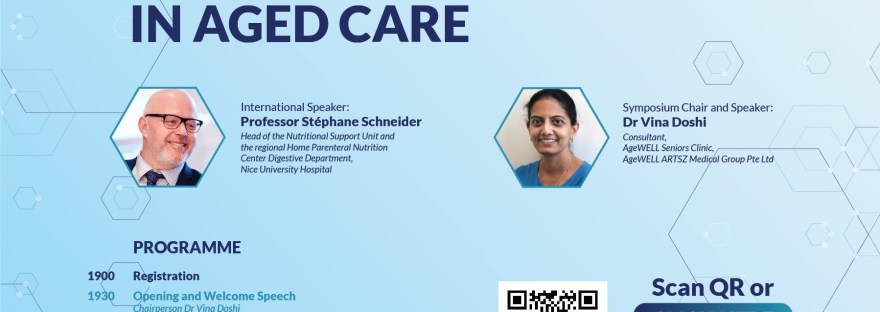
Nestle Singapore will be organizing Nestle Health Science Gerontology Symposium 2021: Advances in Solutions to Age-Old Challenges in Aged Care.
Speech Therapy Works | Singapore Swallowing Specialists is honored to be invited to present in this symposium. Topic of our presentation is ‘Dysphagia Management for the Elderly‘.
The FREE online webinar for this symposium is open to all from any countries.
Date: 26 February 2021
Time: 7.00pm – 9.30pm (Singapore time)
Registration closing date: 23 February 2021
To register, click on the following link or scan the QR code:
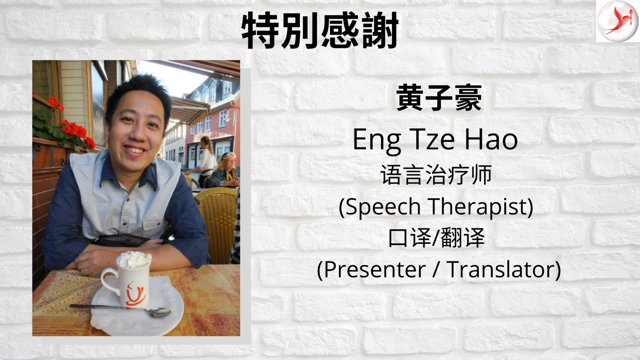
Youtube Video on CTAR in MandarinGDM would like to thank Mr Eng Tze Hao (Speech Therapist from Singapore) for his help in translation and presentation of the Mandarin Version of the CTAR video.
The following Mandarin CTAR video and blog post are initiative of the Global Dysphagia Movement (GDM). 缩下巴抗阻运动能训练你的上舌骨肌群,以打开进食通道(上食道括约肌),让食物顺利的进入胃。
The Chin Tuck Against Resistance (CTAR) exercise works on strengthening the suprahyoid muscles, necessary for opening your upper food pipe sphincter (or known as the upper esophageal sphincter) to allow food to enter the stomach. 这个运动从袁伟琳先生于2013年创始后,就在国际间广为使用,我们希望这支影片可以提供更多执行运动的细节。我们计划将这只影片以及未来更多的影片翻成不同语言,提供世界各地使用。
Since CTAR was introduced in 2013, Mr Yoon (The CTAR inventor) has been receiving enquiries from clinicians from around the world. We hope that this video will provide the details to facilitate the carrying out of the exercise. There are plans to translate this video into different languages, so as to allow different people around the world to gain an understanding about the exercise and its proper usage. 如果你喜欢这个影片,请不吝按赞,同时记得分享及订阅我们的频道,以收看更多关于CTAR和吞咽的影片。 想知道更多吞咽困难处置的有用资讯和方法,请追踪我们的部落格https://dysphagia.sg/news-and-updates/
Please LIKE , SHARE and SUBSCRIBE to our channel for more upcoming CTAR series and swallowing exercises tips in different languages. Follow us at our blog at https://dysphagia.sg/news-and-updates/ for more useful informations and tips on dysphagia management. 下载CTAR运动指导的PDF,请点击下方的连结: (To download a PDF copy of the CTAR exercise instructions):
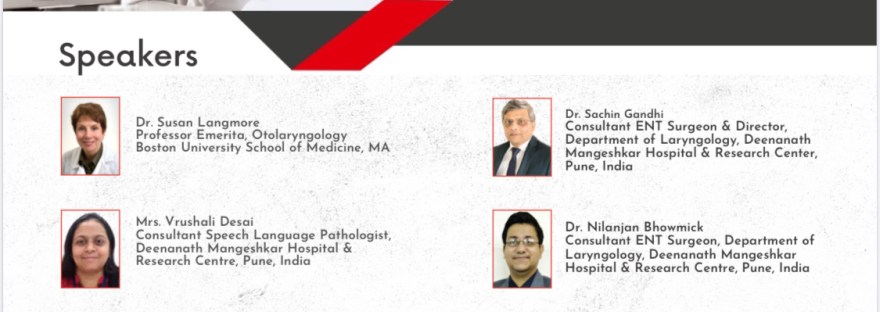
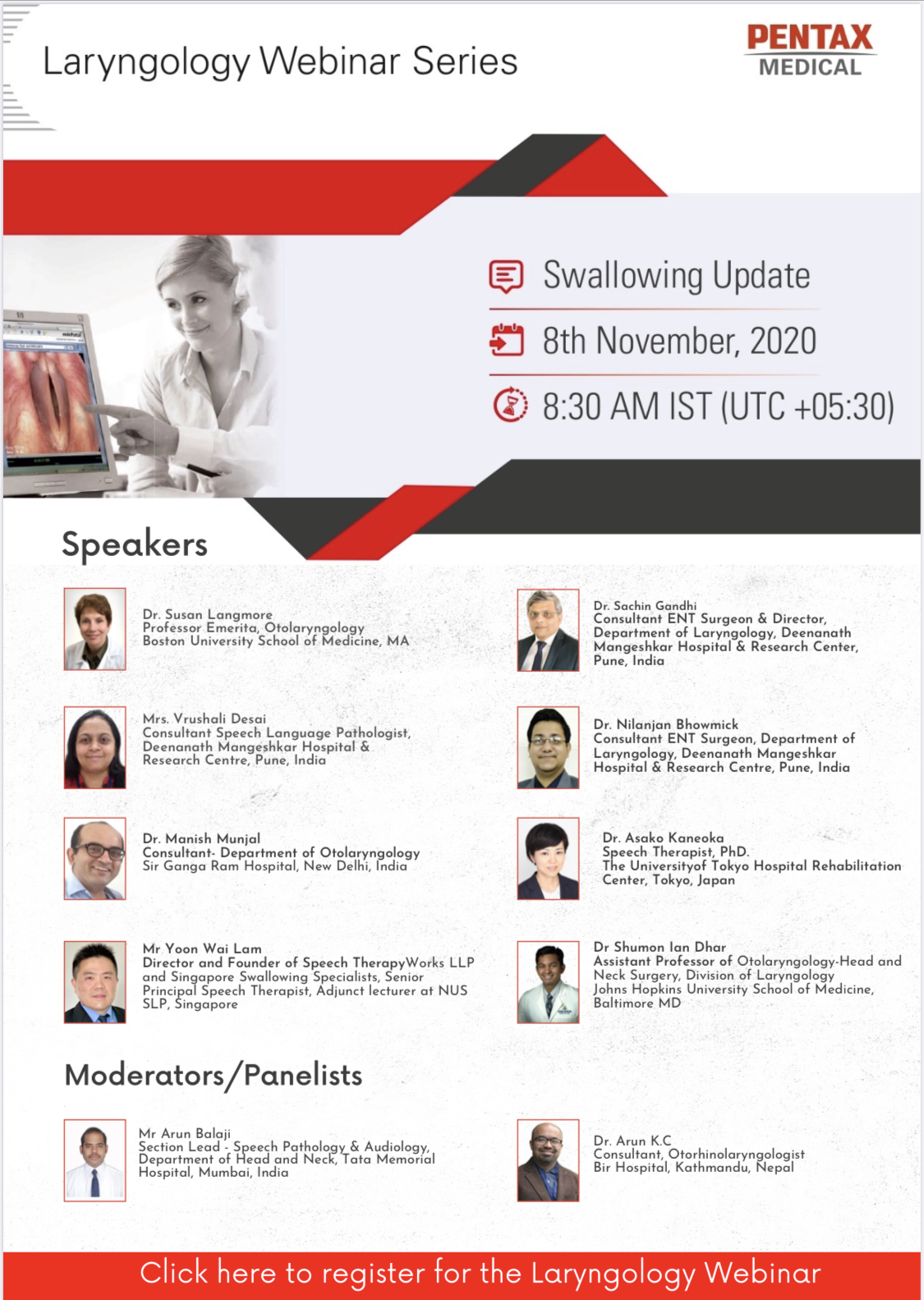
I am honoured to be invited to speak at this upcoming Laryngology Webinar alongside with the Legendary Dysphagia Guru, Professor Susan Langmore and all other renowned dysphagia experts.
The topic that I will be covering: “Clinical Application of sEMG in Dysphagia & Understanding Chin Tuck Against Resistance / CTAR”.
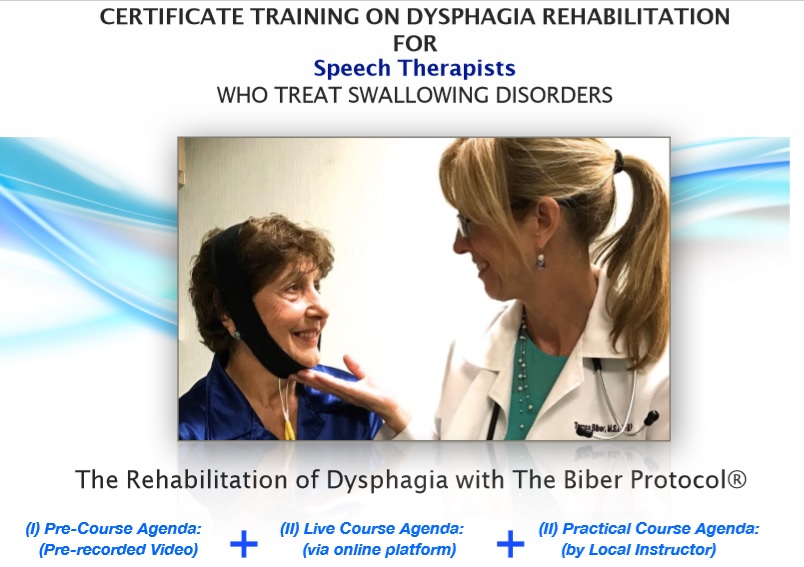
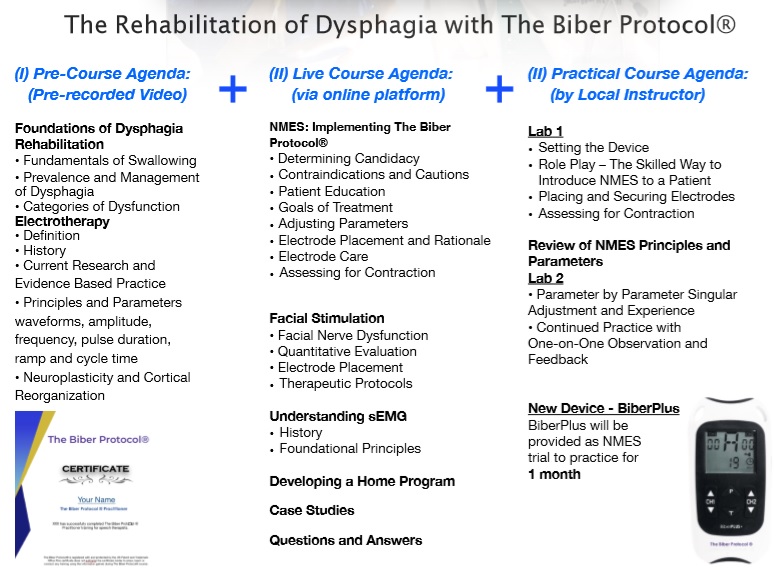
This training course pairs the principles of electrophysiology with traditional swallowing exercises in order to re-educate laryngeal muscles in patients with swallowing problems or difficulties. The course provides an overview of patient selection, a rationale for Neuromuscular Electrical Stimulation (NMES) parameter settings, and electrode placement.
Course Learning Outcomes: Upon successful completion of the training course, clinicians will be able to: • Explain Neuromuscular Electrical Stimulation (NMES) • Describe the properties of electrical stimulation and its impact on muscle tissue • Describe the patient selection criteria for which NMES is indicated for the treatment of dysphagia • Identify the characteristics of NMES • Discuss the properties of Electrodes • Discuss and demonstrate the application of therapeutic protocol in the treatment of dysphagia • Describe and justify why there is a continued need for traditional swallowing exercises in conjunction with the therapeutic protocol • Explain why adjusting the electrical parameters of the Biber Protocol is so important • Demonstrate effective communication skills in patient education and allied health professionals regarding the candidacy and use of NMES for the treatment of dysphagia
Download the application form to find out more on the course:
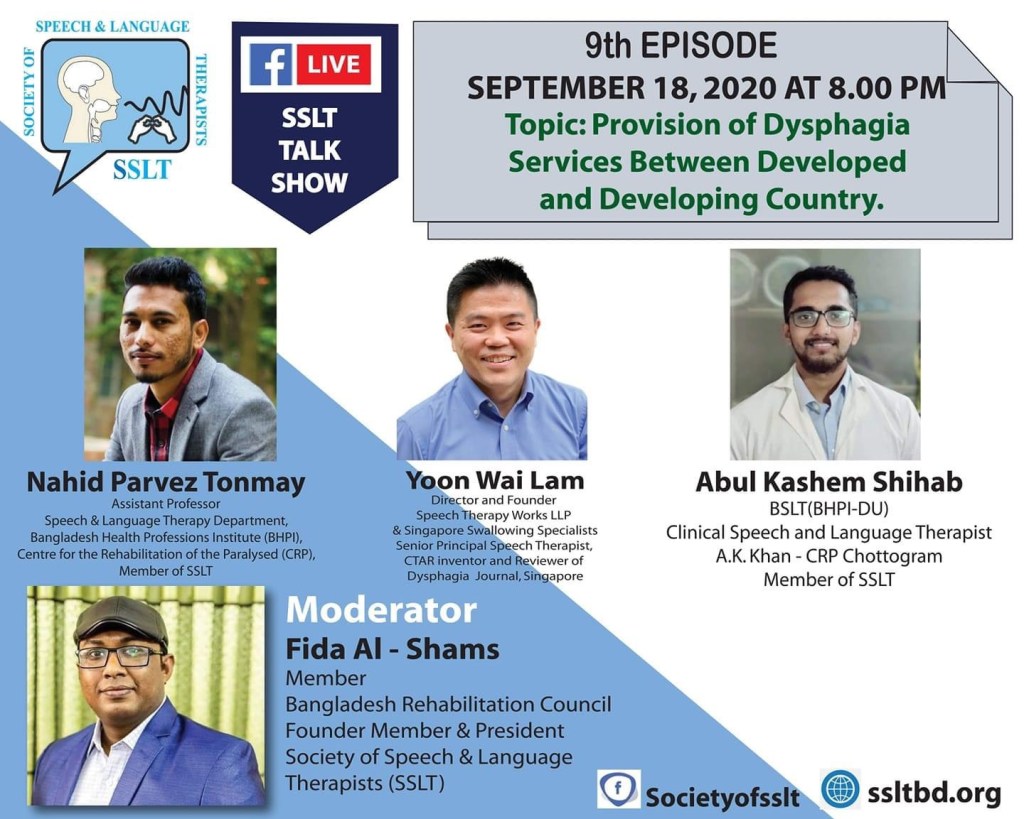
Speech Therapy Works | Singapore Swallowing Specialists have been invited to participate in this upcoming Facebook Live Talk Show organized by the Society of Speech & Language Therapists, Bangladesh.
This is also a Global Dysphagia Movement initiative to create better dysphagia awareness to international community.
#SSLT
All are welcome to watch the 9th episode of our SSLT TALK SHOW ‘Provision of Dysphagia Services Between Developed and Developing Country’ program.
Program Time (Event Time):
Bangladesh Time:
September 18, 2020 (Friday 8 pm).
Singapore Time:
18th September, 2020 (Friday, 10:00pm)
You can watch the FB Live talk show via this link:
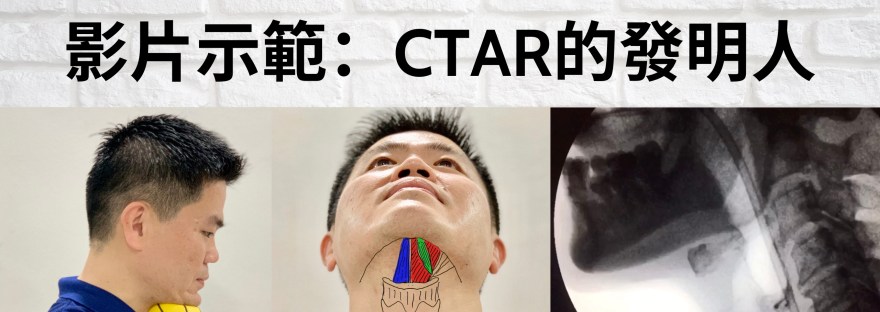
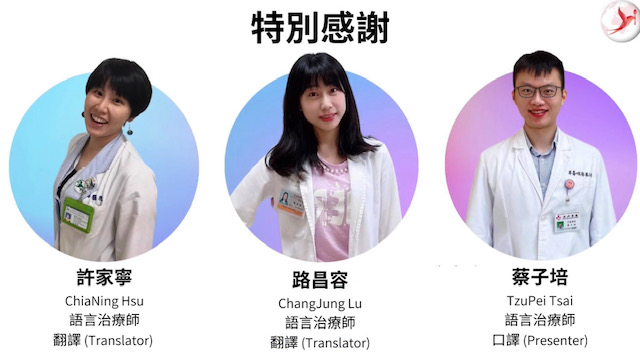
GDM would like to express our heartfelt thanks to the Taiwanese SLP team for their help in translation and presentation of the Taiwanese Minnan Version of the CTAR video.
This Taiwanese Minnan translated CTAR video and blog post are initiative of the Global Dysphagia Movement (GDM).
縮下巴阻抗運動能訓練你的上舌骨肌群,以打開進食通道(上食道括約肌),讓食物順利的進入胃。
The Chin Tuck Againt Resistance (CTAR) exercise works on strengthening the suprahyoid muscles, necessary for opening your upper food pipe sphincter (or known as the upper esophageal sphincter) to allow food to enter the stomach.
Since CTAR was introduced in 2013, Mr Yoon (The CTAR inventor) has been receiving enquiries from clinicians from around the world. We hope that this video will provide the details to facilitate the carrying out of the exercise.
Please LIKE , SHARE and SUBSCRIBE to our channel for more upcoming CTAR series and swallowing exercises tips in different languages. Follow us at our blog at https://dysphagia.sg/news-and-updates/ for more useful informations and tips on dysphagia management.
下載CTAR運動指導的PDF,請點擊下方的連結: (To download a PDF copy of the CTAR exercise instructions):
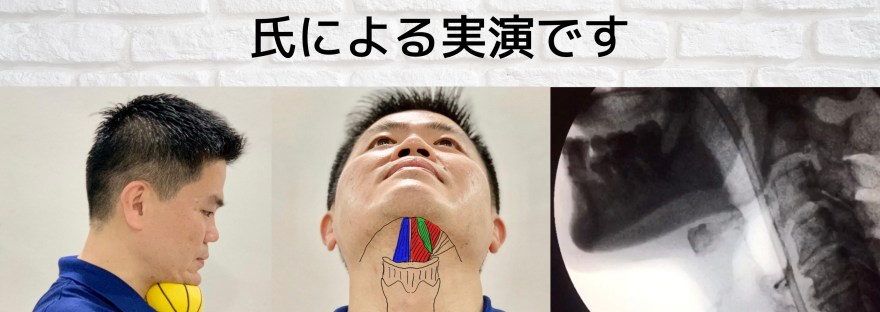
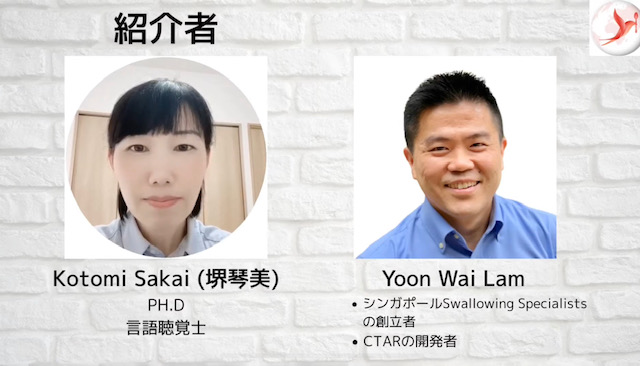
YouTube Video on Japanese CTAR with Rubber BallGDM would like to express our heartfelt thanks to Dr Kotomi Sakai for her help in translation and presentation of the Japanese Version of the CTAR video.
This Japanese translated CTAR video and blog post are initiative of the Global Dysphagia Movement (GDM).
The following is the CTAR exercise instructions. You may download a PDF copy of this instructions at the bottom of this page.
下記にCTARの運動方法が記載してあります。このページの下でそのPDFがダウンロードできます。
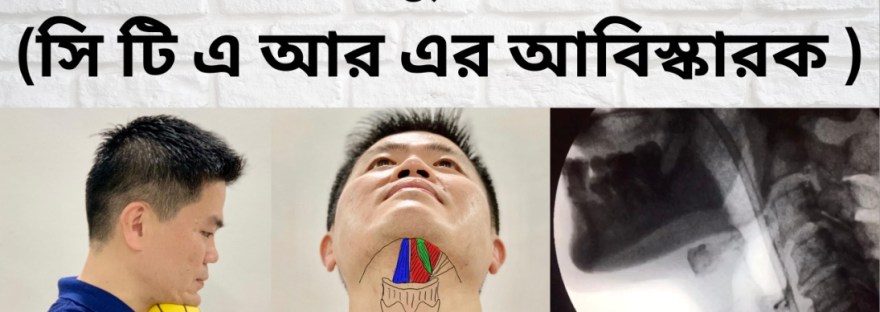
Chin Tuck Against Resistance (CTAR) with a Rubber Ball
Purpose: To strengthen the suprahyoid muscles used in swallowing. The suprahyoid muscles are important to open your upper food pipe sphincter (upper esophageal sphincter) to allow food to enter your stomach.
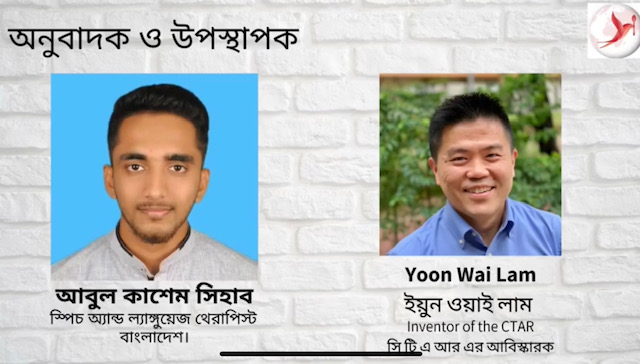
GDM would like to thank Mr Abul for his help in translation and presentation of the Bengali Version of the CTAR video.
This Korean translated CTAR video and blog post are initiative of the Global Dysphagia Movement (GDM).
উল্লেখিত সি টি এ আর ব্যায়ামের নির্দেশাবলী আপনি ডাউনলোড করতে হলে পৃষ্ঠার নিচে চলে যেতে হবে । থেরাপিস্টরা কিউ আর কোড ডাউনলোড করতে পারেন এবং প্রিন্ট করে নিতে পারেন যদি আপনার রুগীকে এই ইউটিঊব ভিডিওটি দেখাতে চান ।
রাবার বলের মাধ্যমে সি টি এ আর থেরাপি
উদ্দেশ্যঃ
সুপ্রাহাইওয়েড মাংসপেশির শক্তিবৃদ্ধির জন্য এবং সুপ্রাহাইওয়েড মাংসপেশির শক্তিবৃদ্ধির মাধ্যমে খাদ্যনালির উপরিভাগের মধ্যদিয়ে খাবার পাকস্থলীর মধ্যে যেতে সাহায্য করে
১। সোজা হয়ে বসা বা দাঁড়ানো অবস্থায় কাঁধটাকে শরীরের পিছনের দিকে তুলে ধরতে হবে এভাবে সঠিক দেহভঙ্গি নিয়ন্ত্রণ করতে হবে
২। থুতনির নিচে বলটি হাত দিয়ে ধরে রাখতে হবে
৩। থুতনির নিচে বলটি রাখার পর থেরাপিস্টের পরামর্শ অনুযায়ী থুতনিকে বলের বিপরীতে চাপ দিয়ে ধরে রাখতে হবে ___ সেকেন্ডের জন্য যতটুকু পর্যন্ত শক্তি প্রয়োগ করা যায়
৪। থেরাপিস্টের পরামর্শ অনুযায়ী __ বার করতে হবে
৫। প্রত্যেকবার ব্যায়াম করার মাঝখানে ১ মিনিট করে বিশ্রাম নিতে হবে
অংশ২ঃরিপিটিটিভসিটিএআরঃ
১। সোজা হয়ে বসা বা দাঁড়ানো অবস্থায় কাঁধটাকে শরীরের পিছনের দিকে তুলে ধরতে হবে এভাবে সঠিক দেহভঙ্গি নিয়ন্ত্রণ করতে হবে
২। থুতনির নিচে বলটি হাত দিয়ে ধরে রাখতে হবে
৩। থুতনির নিচে বলটি রাখার পর থেরাপিস্টের পরামর্শ অনুযায়ী থুতনিকে বলের বিপরীতে চাপ দিয়ে ধরে রাখতে হবে এবং উপরের দিকে থুতনি উঠানো লাগবে
৪। রিপিটিটিভ সি টি এ আর এর ক্ষেত্রে কতবার পুনরাবৃত্তি করতে হবে এবং কতসময় করতে তা একমাত্র একজন গ্রাজুয়েট স্পিচ অ্যান্ড ল্যাঙ্গুয়েজ থেরাপিস্ট নির্ধারণ করবেন
৫। প্রত্যেকবার ব্যায়াম করার মাঝখানে ১ মিনিট করে বিশ্রাম নিতে হবে
ইউটিউব ভিডিওর জন্য-
– আপনার ফোনের ক্যামেরা দিয়ে কিউ আর কোড স্ক্যান করুন
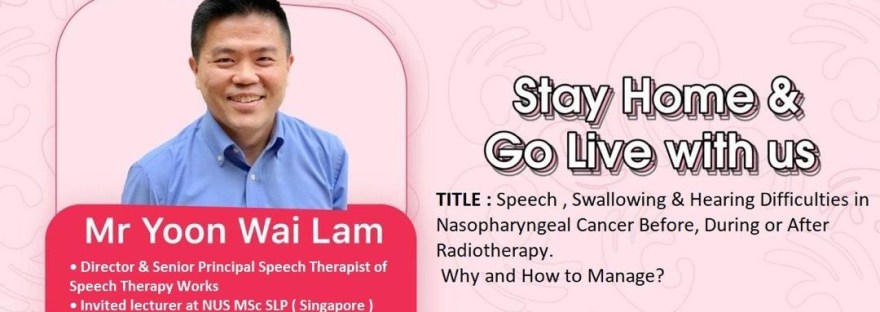
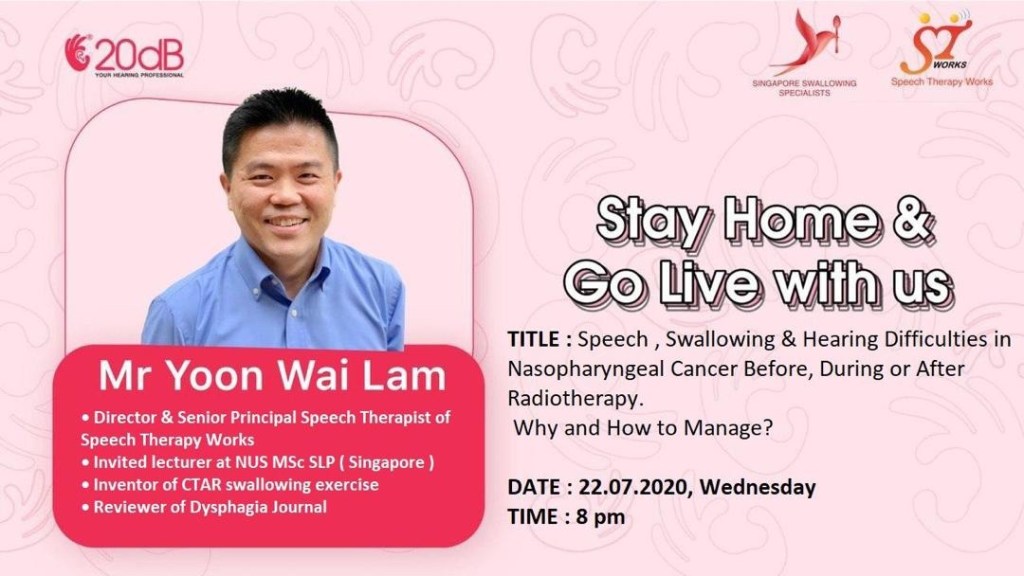
Speech Therapy Works and Singapore Swallowing Specialists collaborated with 20dB Hearing Sdn Bhd, Malaysia to present this interesting topic Live on Facebook on 22 July 2020 at 8.00pm (SGT).
We had audiences from all around the world. Great questions were asked during the presentation. Feedback on the live presentation has been good.
Speech Therapy Works and Singapore Swallowing Specialists will organize more Live Facebook presentation in future. Topic would include speech, language and swallowing difficulties for stroke / dementia / neurodegenerative diseases including Parkinson’s disease and etc. Do follow our blog or Facebook to receive notification on the future Facebook Live presentation.
We are happy to announce that the president from the OneHeart Support Group (A Nasopharyngeal Cancer support group in Singapore) has opened their support to individuals or cancer survivors especially the NPC survivors. OneHeart Support Group will provide emotional and psychological support. For those interested to seek support from OneHeart, please contact Dave at +65 9101 8223. We will include a copy of OneHeart Support group brochure in this post once we receive it.
Please see attached for the handouts for this presentation.
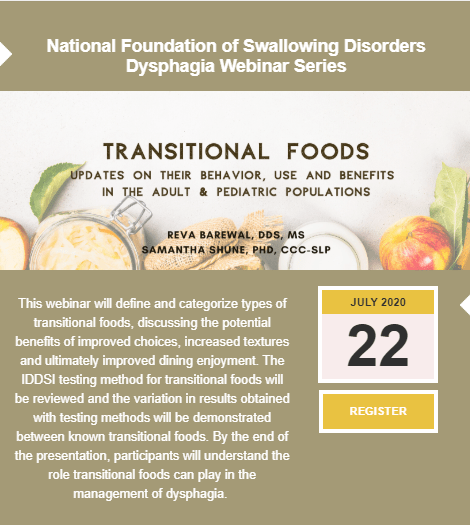
Date and time: Thu, Jul 23, 2020 8:00 AM – 9:30 AM SGT
Webinar Description:
This webinar is for healthcare providers, patients and caregivers impacted by dysphagia, and students learning about swallowing disorders.
This presentation will define and categorize types of transitional foods. We will discuss the potential benefits of improved choices, increased textures and ultimately improved dining enjoyment. Use of transitional foods in the pediatric population will be discussed with examples of use presented in specific special needs populations. The IDDSI testing method for transitional foods will be reviewed and the variation in results obtained with this test will be demonstrated between known transitional foods. We will share two research methods of evaluating the dissolution patterns of transitional foods in the oral environment will be described with relevant clinical implications. The external environment (air, humidity, length of exposure) play a significant role in the transitional behavior of these foods and ultimately their safety. The oral environment (amount of saliva, degree of tongue pressure, anterior-posterior transit time) also has a significant impact as well. Both groups of factors will be discussed in detail providing a broader scope of understanding of patient selection, and proper use. Ultimately expanding our knowledge of transitional foods will improve our understanding of use with the goal of improving patient engagement and outcomes.
Learner Outcomes:
Understand the difference between transitional food behaviors in the mouth in comparison to IDDSI benchtop methods.
Classification of transitional foods and the importance of the oral environment
Learn the role transitional foods can play in dysphagia management




 Singapore Swallowing Specialists