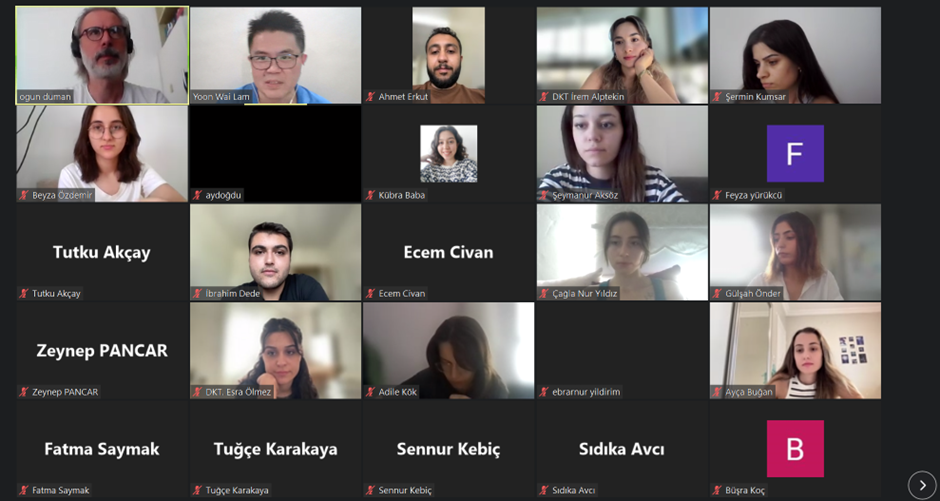
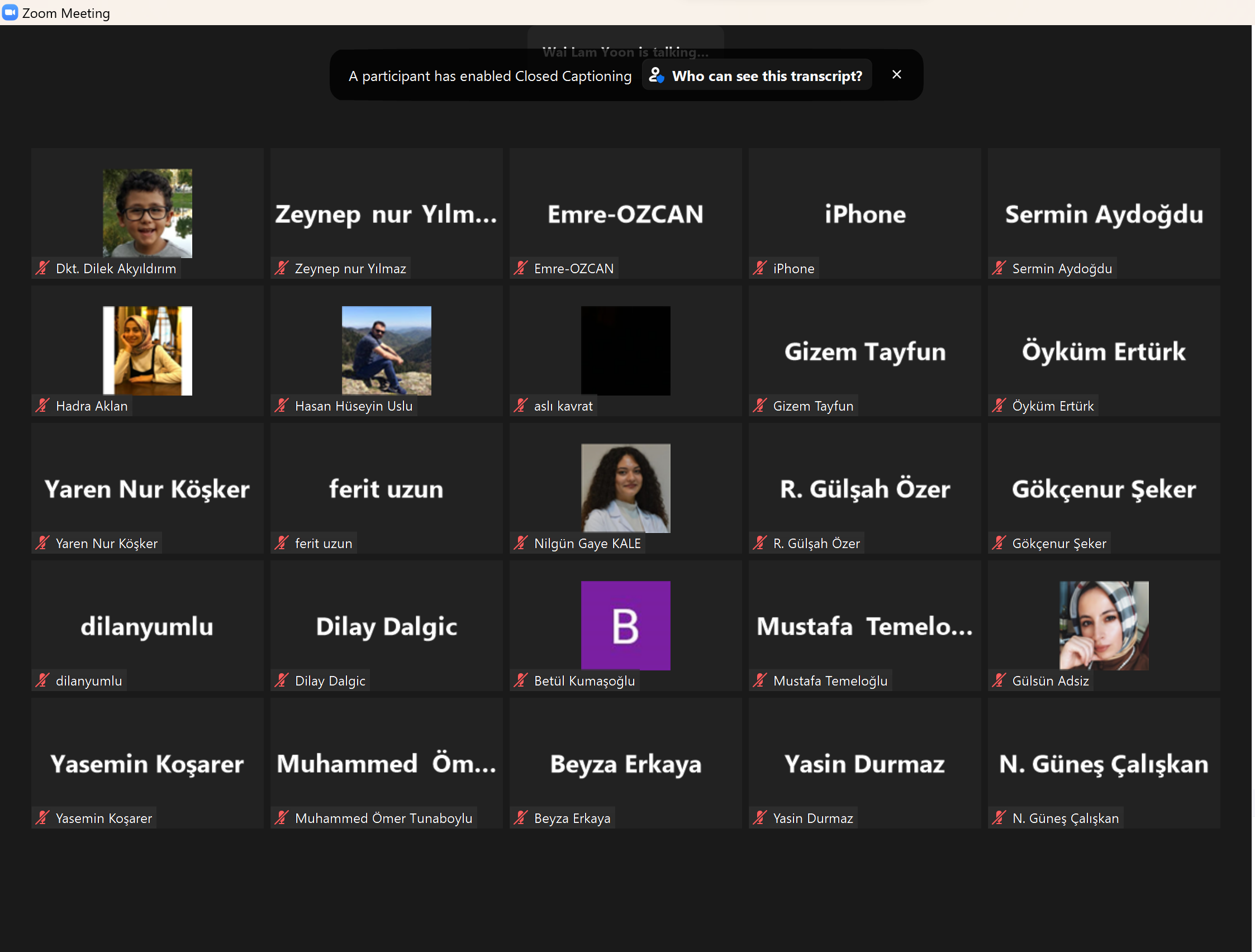
Special thanks to Mr. Ahmet Erkut, the President of the Speech Therapy Association of Turkey, for inviting Mr. Yoon Wai Lam from Singapore Swallowing Specialists to present at the second Zoom workshop (23 & 30 June 2024) on “VFS & FEES Interpretation and Treatment Planning” to the Speech Therapy Association of Turkey. The workshop was attended by more than 140 enthusiastic speech therapists, resulting in lots of great questions and discussions.
We look forward to more future collaboration.
The following are some of the slides from the FEES Workshop:
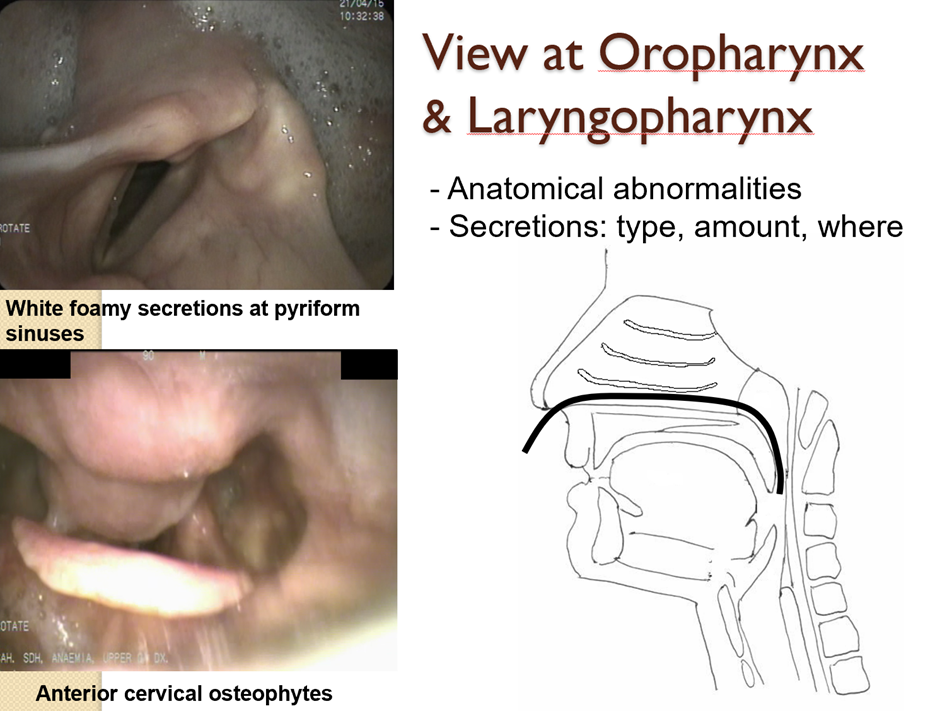
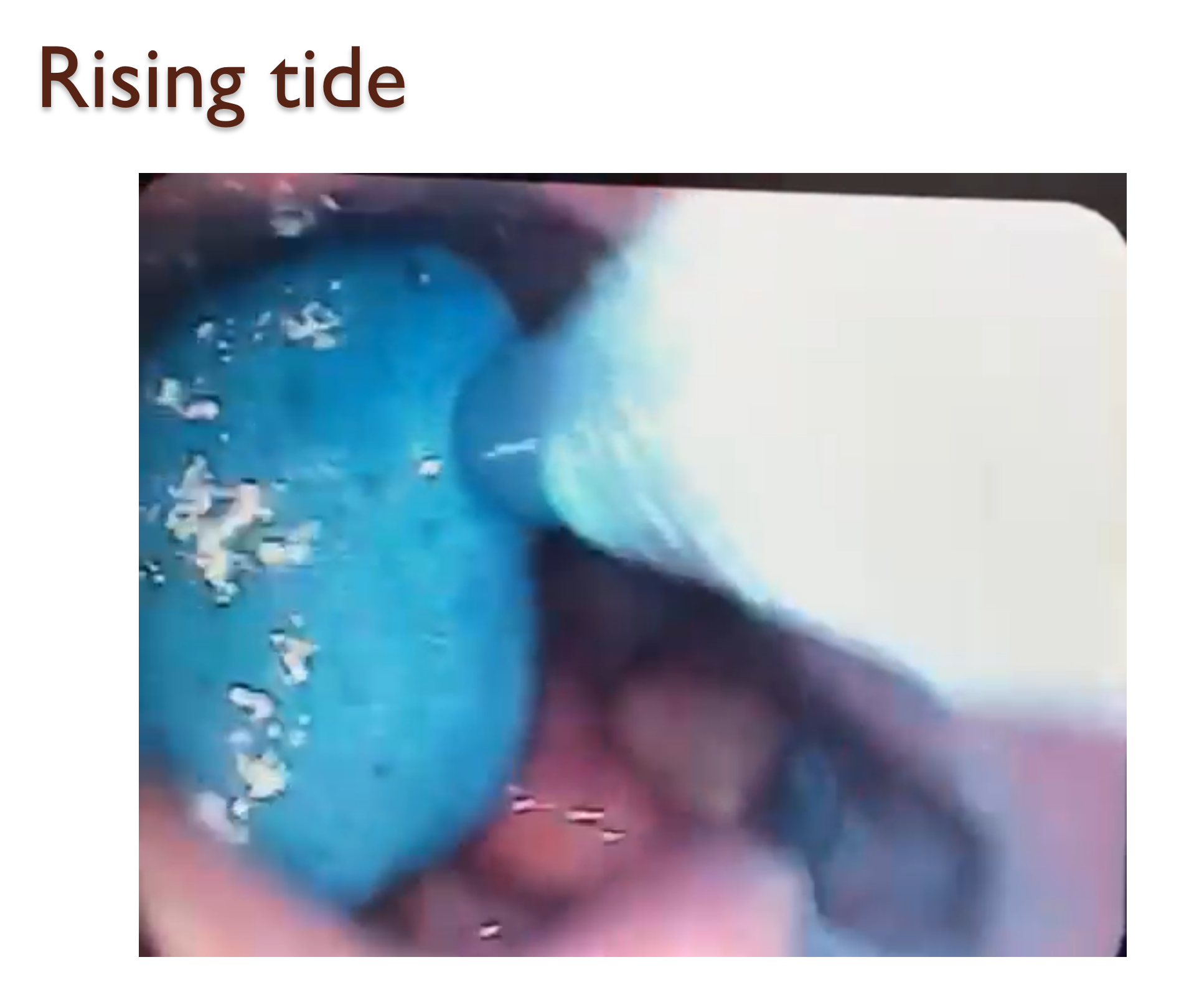
FEES view at the Oropharynx and Laryngopharyx FEES: Anatomy of the pharynx and larynx (Superior View)FEES: Interesting case study on the “Rising Tide” presentation
The following are some of the slides from the VFS workshop:
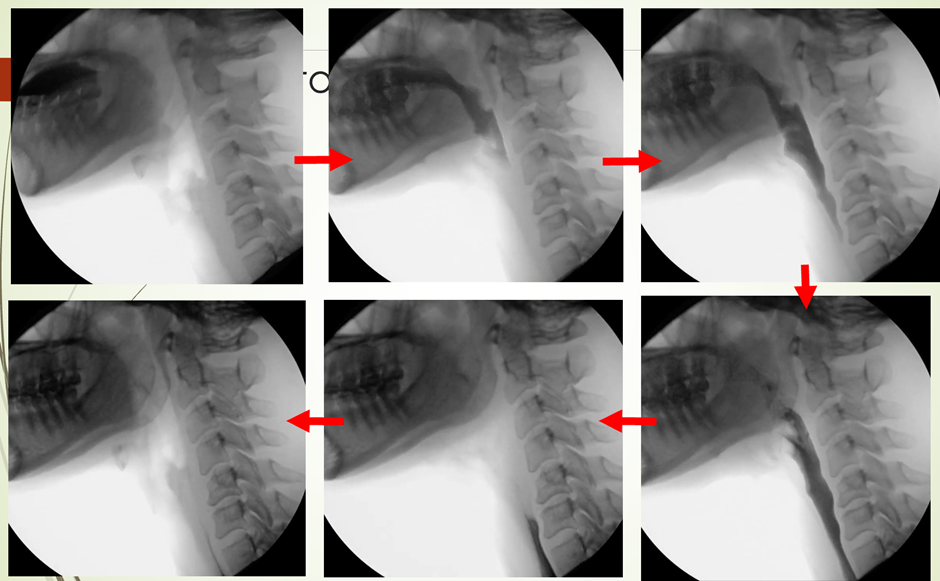
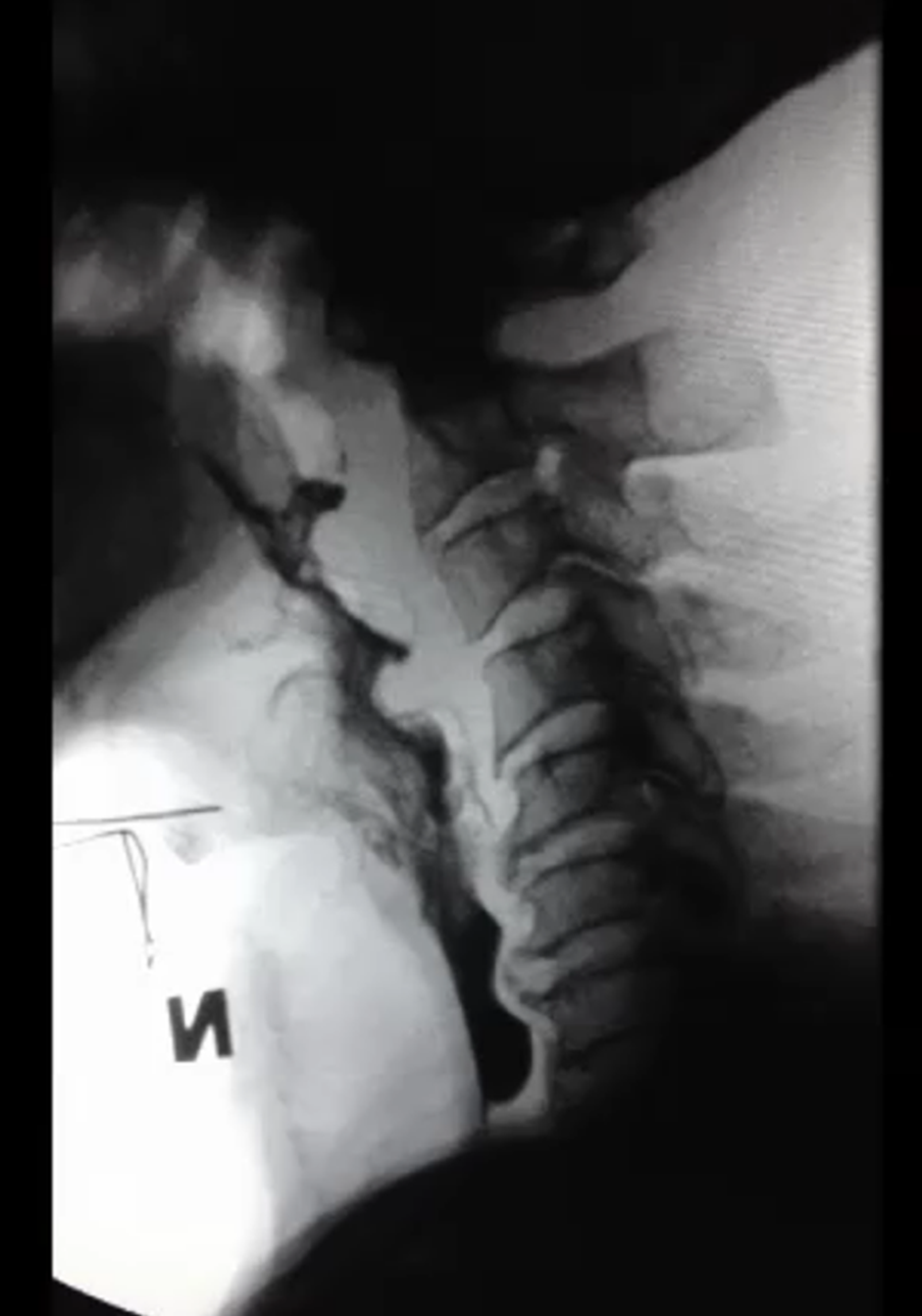
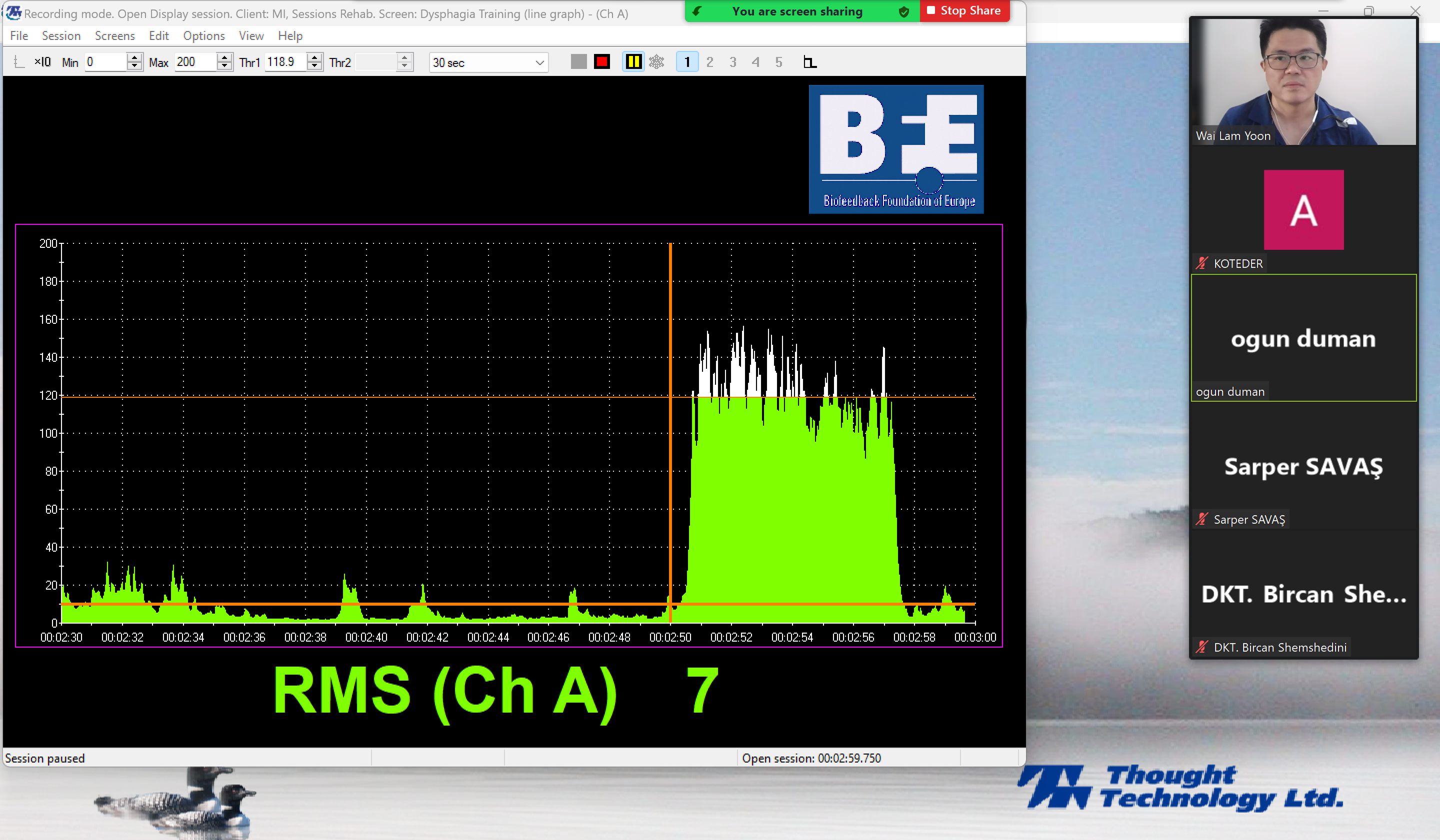
VFS: AnatomyVFS: The normal swallowing sequenceVFS: Case Study on the “Tennis Player” A chronic severe dysphagia client was successfully treated with therapy using sEMG biofeedback. This client managed to resume a regular diet and thin fluids and had his PEG tube removed.
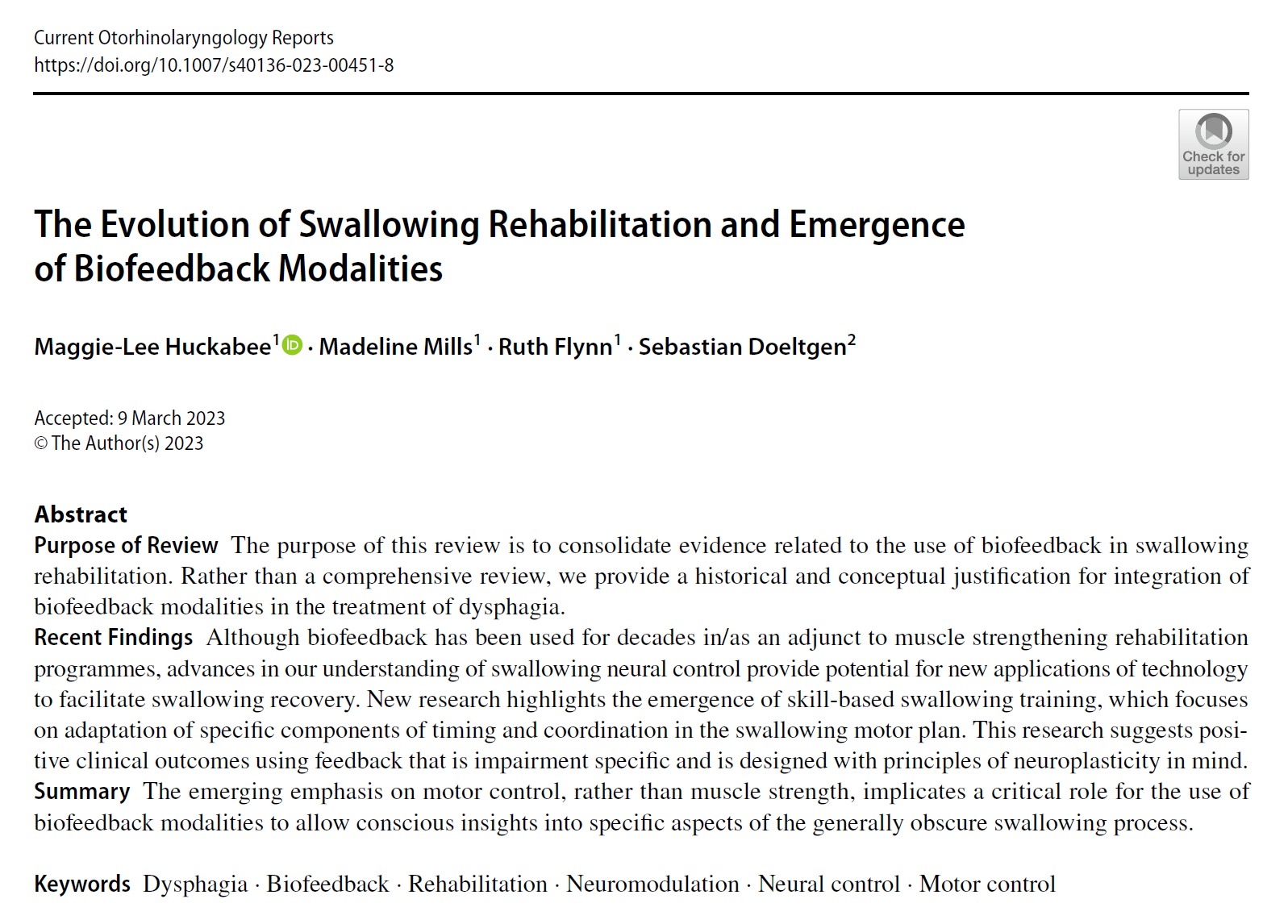
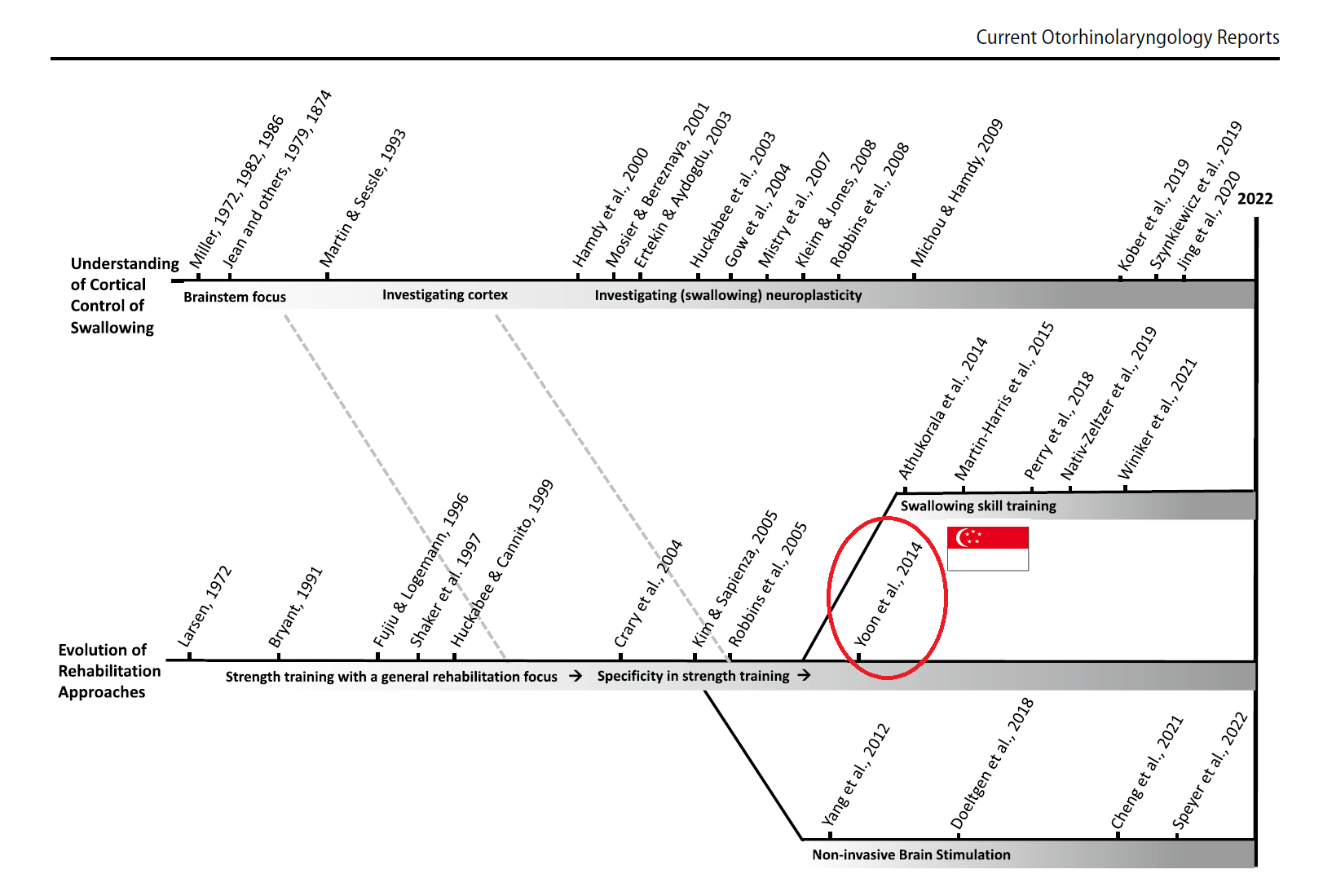
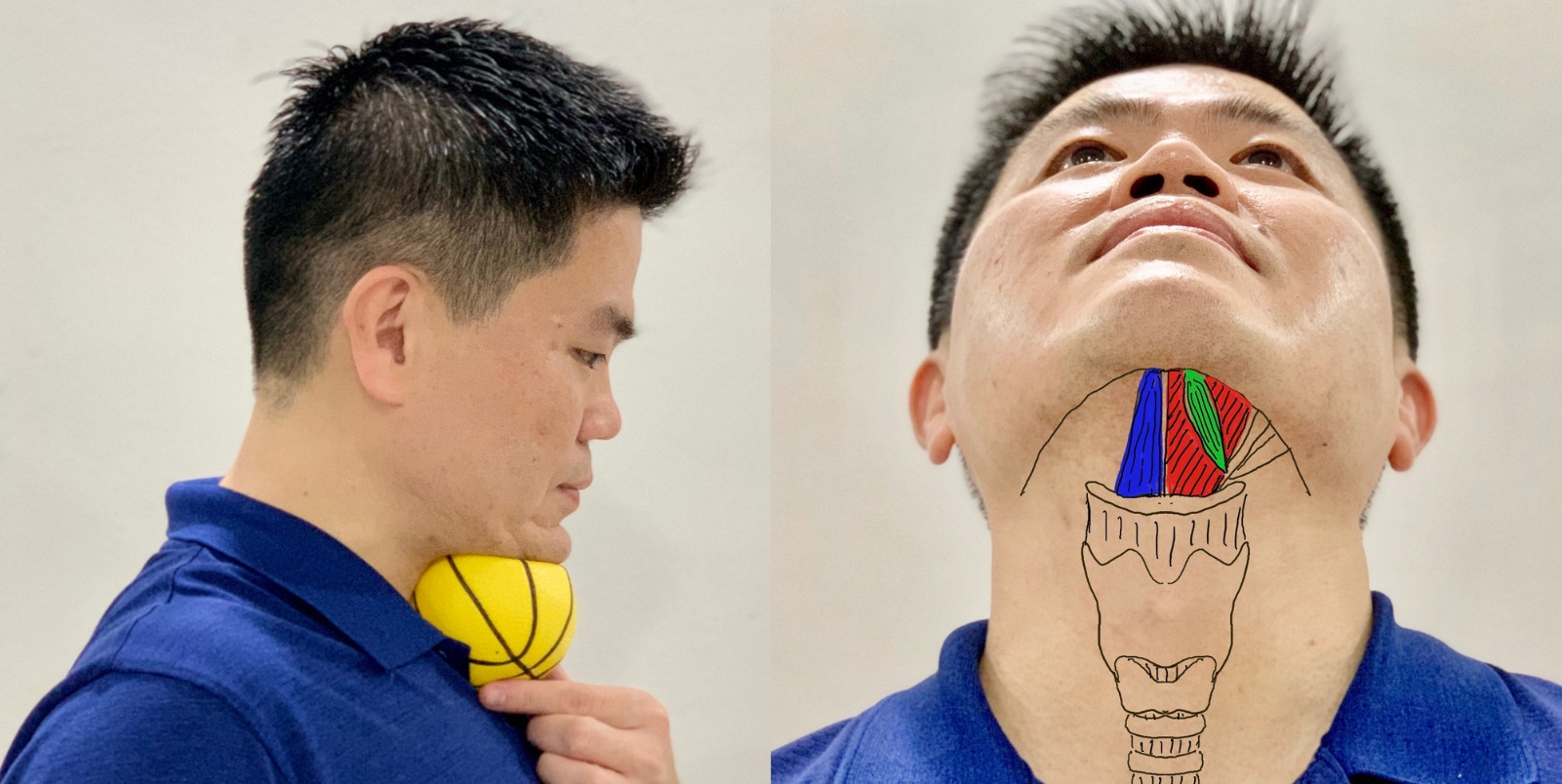
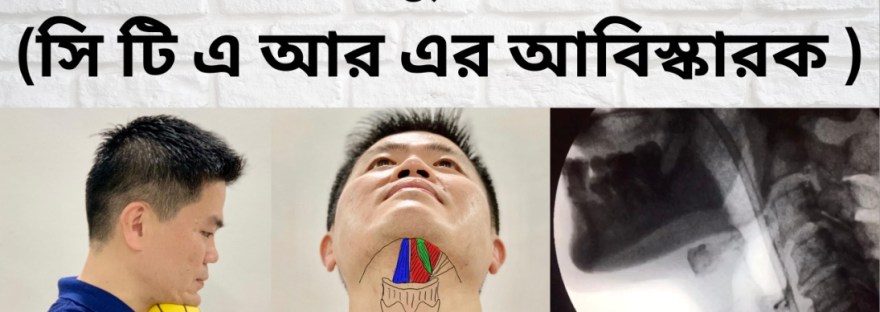
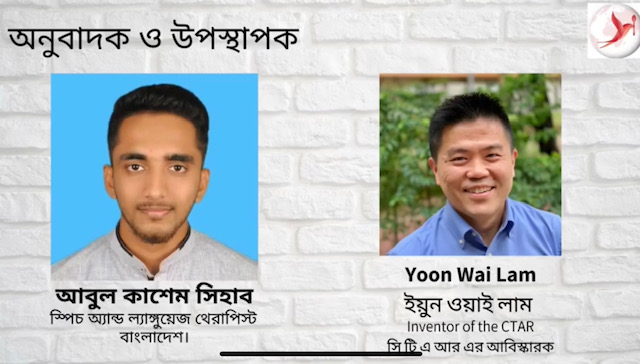
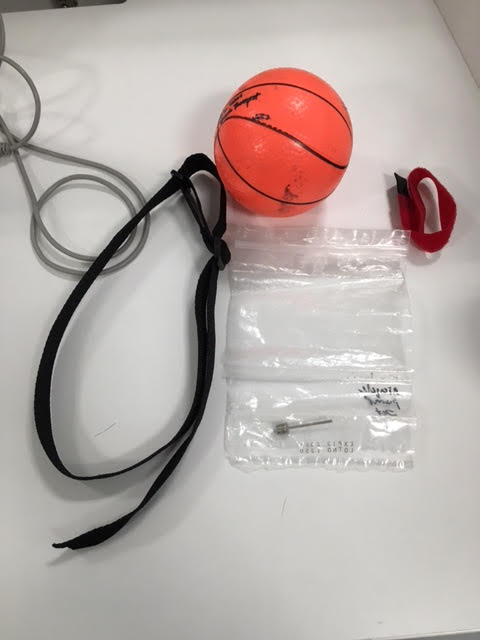
The year 2023 marks a monumental achievement for the Singapore Speech Therapy/Dysphagia community as CTAR (Chin Tuck Against Resistance), the inaugural swallowing therapy exercise, gains recognition for its pivotal role in advancing swallowing rehabilitation (Huckabee et al., 2023). Invented by Mr. Yoon Wai Lam, a distinguished Speech Therapist from Singapore, CTAR aims to provide a simple, economical, and highly effective exercise for strengthening the suprahyoid muscles involved in swallowing. Mr. Yoon first developed CTAR using a S$2.00 ‘pasar malam’ (a Malay word meaning night market in Singapore) inflatable rubber ball.
Figure taken from: Huckabee, ML., Mills, M., Flynn, R. et al. The Evolution of Swallowing Rehabilitation and Emergence of Biofeedback Modalities. Curr Otorhinolaryngol Rep 11, 144–153 (2023). https://doi.org/10.1007/s40136-023-00451-8
CTAR made its global debut at the Dysphagia Research Society conference in 2013 in Seattle, Washington, USA. The unexpected surge of interest and the honor of receiving first place for the Scientific Abstract Poster underscored CTAR’s immediate impact. The initial CTAR journal article, published in Dysphagia Journal in 2014, quickly became one of the top 10 most downloaded articles of that year. A subsequent 2016 article further solidified its influence, collectively amassing 157 citations in various textbooks and journal articles to date.
Beyond its original conception, CTAR inspired the development of numerous devices globally. However, Mr. Yoon distinguished himself by advancing the CTAR procedure without additional costs or commercial devices, relying solely on hand movements.
In a commendable move towards accessibility, Mr. Yoon launched the Singapore Swallowing Specialists YouTube Channel (http://www.youtube.com/@singaporeswallowingspecial735). This platform provides free CTAR videos in multiple languages, reaching over 60 thousand individuals worldwide.
The details of the CTAR exercise can be found at the following links:
Huckabee, ML., Mills, M., Flynn, R. et al. The Evolution of Swallowing Rehabilitation and Emergence of Biofeedback Modalities. Curr Otorhinolaryngol Rep 11, 144–153 (2023). https://doi.org/10.1007/s40136-023-00451-8
Sze, W. P., Yoon, W. L., Escoffier, N., & Rickard Liow, S. J. (2016). Evaluating the Training Effects of Two Swallowing Rehabilitation Therapies Using Surface Electromyography-Chin Tuck Against Resistance (CTAR) Exercise and the Shaker Exercise. Dysphagia, 31(2), 195–205. http://doi.org/10.1007/s00455-015-9678-2
Yoon, W.L., Khoo, J., & Liow, S. (2014). Chin tuck against resistance (CTAR): a new method for enhancing suprahyoid muscle activity using a Shaker-type exercise. Dysphagia. Retrieved from http://link.springer.com/article/10.1007/s00455-013-9502-9
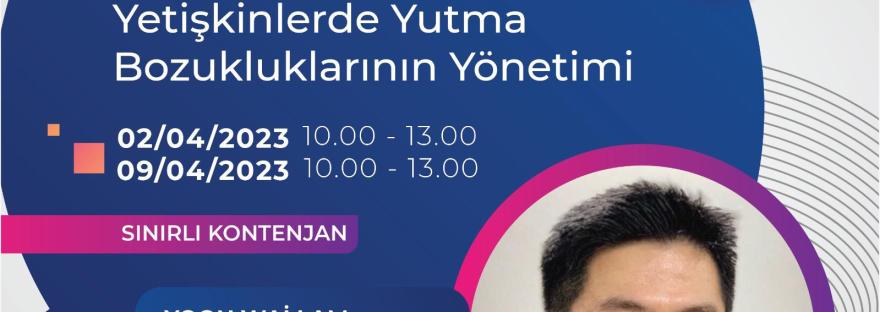
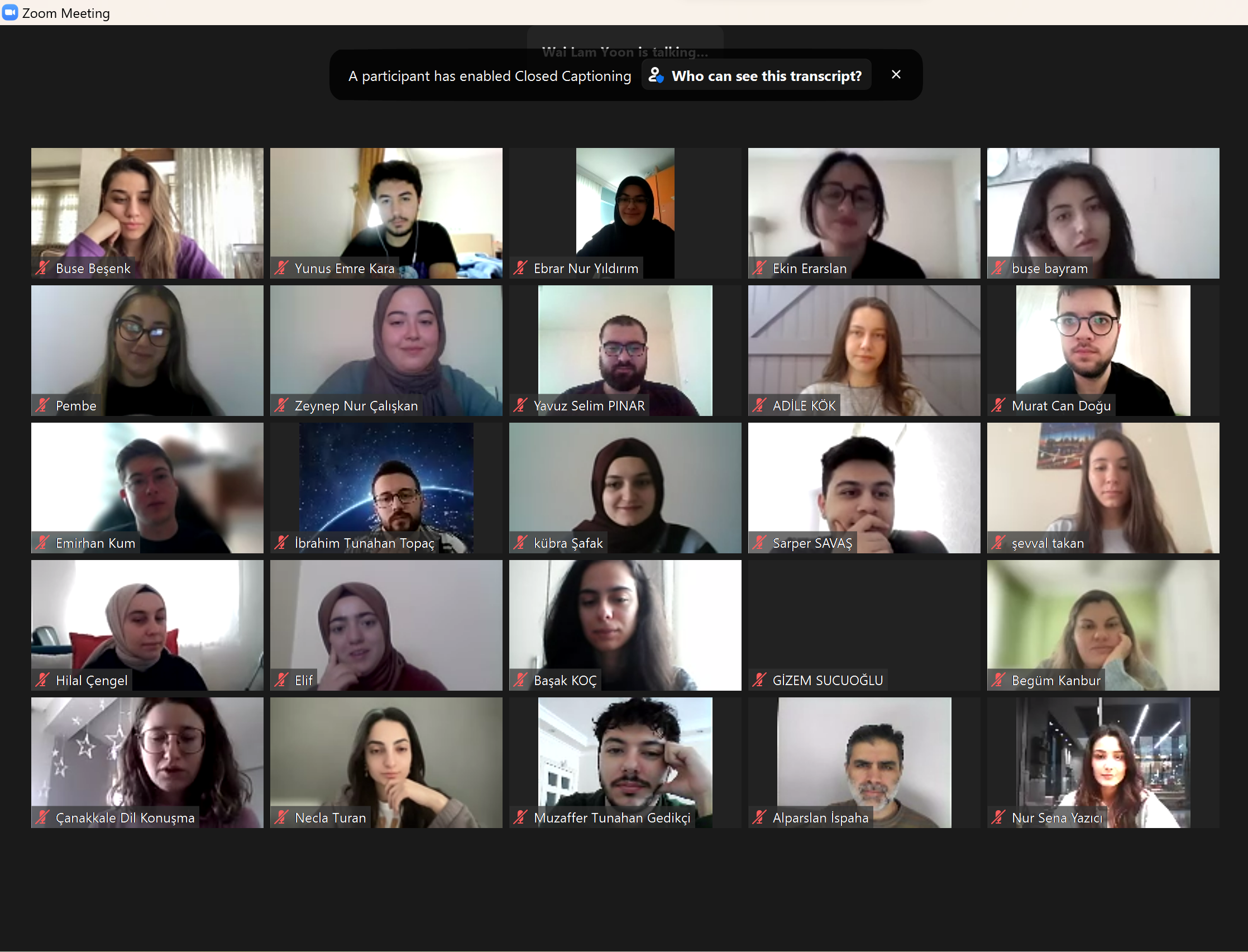
Special thanks to Mr Ahmet Erkut, The President of Speech Therapy Association of Turkey for invited Mr Yoon from Singapore Swallowing Specialists to present on this Zoom Workshop (2 & 9 April 2023) on “Dysphagia Management in Adult” for the Speech Therapy Association of Turkey. Attended by more than 140 enthusiastic Speech Therapists. Lots of great questions and discussions. We hope to have more collaboration in future.
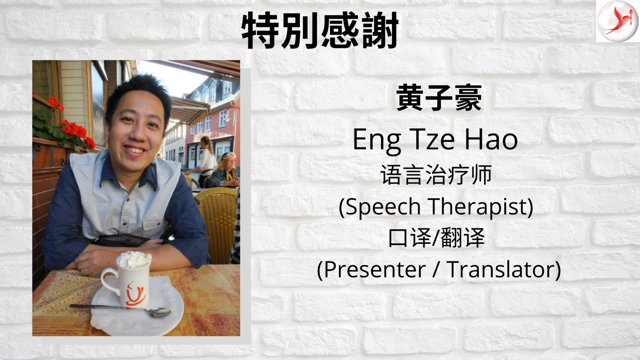
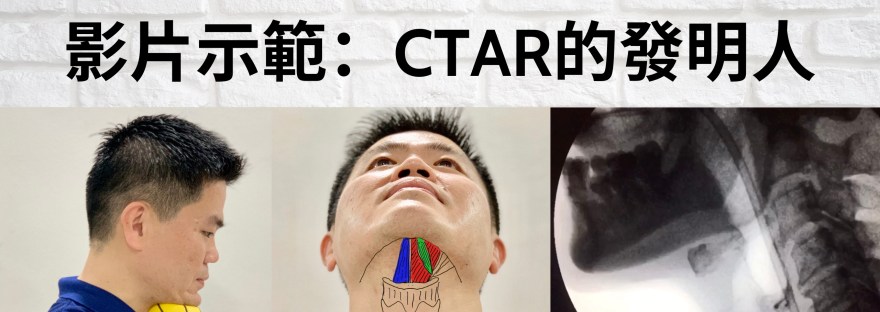
Youtube Video on CTAR in MandarinGDM would like to thank Mr Eng Tze Hao (Speech Therapist from Singapore) for his help in translation and presentation of the Mandarin Version of the CTAR video.
The following Mandarin CTAR video and blog post are initiative of the Global Dysphagia Movement (GDM). 缩下巴抗阻运动能训练你的上舌骨肌群,以打开进食通道(上食道括约肌),让食物顺利的进入胃。
The Chin Tuck Against Resistance (CTAR) exercise works on strengthening the suprahyoid muscles, necessary for opening your upper food pipe sphincter (or known as the upper esophageal sphincter) to allow food to enter the stomach. 这个运动从袁伟琳先生于2013年创始后,就在国际间广为使用,我们希望这支影片可以提供更多执行运动的细节。我们计划将这只影片以及未来更多的影片翻成不同语言,提供世界各地使用。
Since CTAR was introduced in 2013, Mr Yoon (The CTAR inventor) has been receiving enquiries from clinicians from around the world. We hope that this video will provide the details to facilitate the carrying out of the exercise. There are plans to translate this video into different languages, so as to allow different people around the world to gain an understanding about the exercise and its proper usage. 如果你喜欢这个影片,请不吝按赞,同时记得分享及订阅我们的频道,以收看更多关于CTAR和吞咽的影片。 想知道更多吞咽困难处置的有用资讯和方法,请追踪我们的部落格https://dysphagia.sg/news-and-updates/
Please LIKE , SHARE and SUBSCRIBE to our channel for more upcoming CTAR series and swallowing exercises tips in different languages. Follow us at our blog at https://dysphagia.sg/news-and-updates/ for more useful informations and tips on dysphagia management. 下载CTAR运动指导的PDF,请点击下方的连结: (To download a PDF copy of the CTAR exercise instructions):
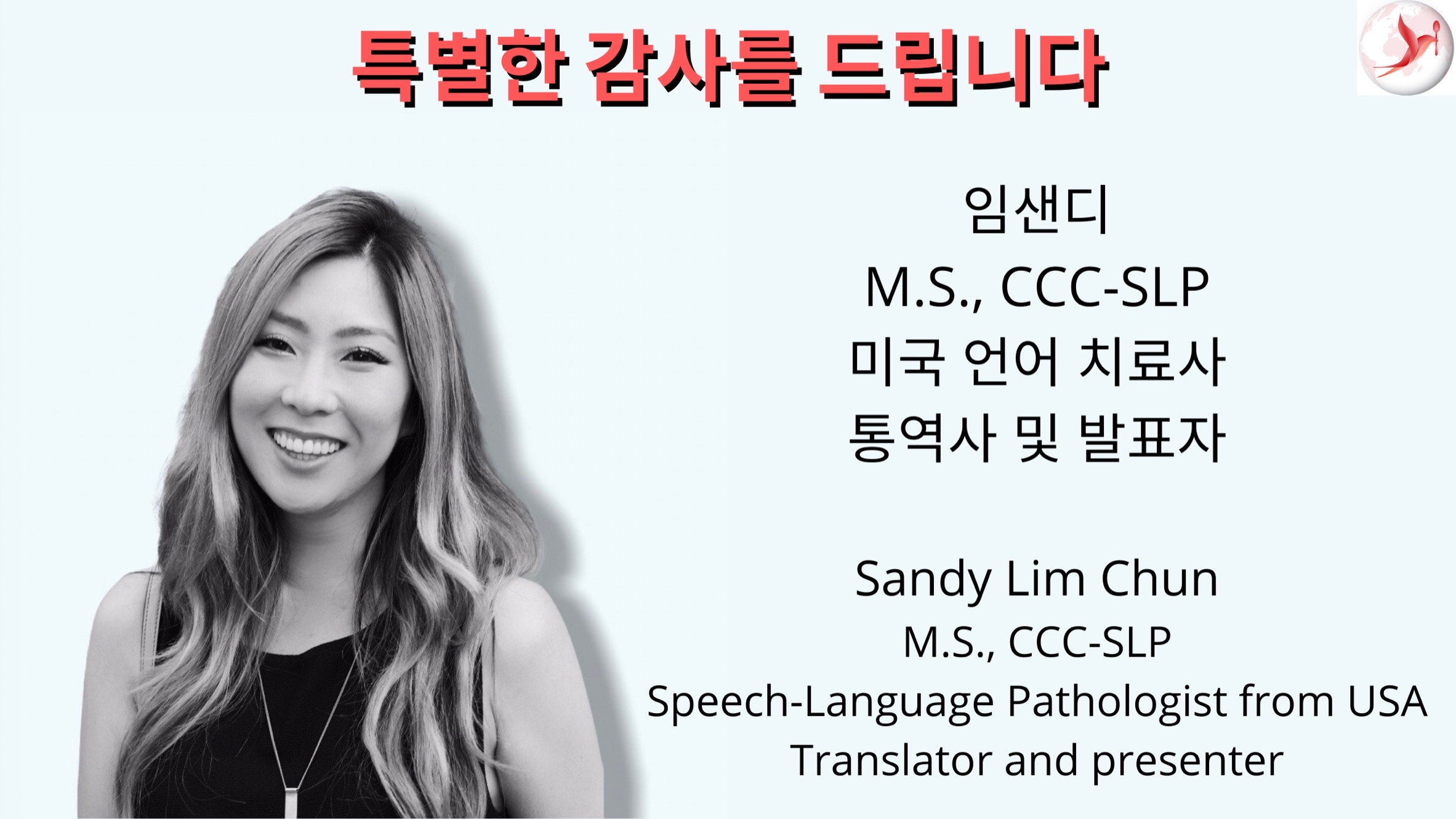
GDM would like to thank Ms Sandy Lim (SLP from USA) for her help in translation and presentation of the Korean Version of the CTAR video.
This Korean translated CTAR video and blog post are initiative of the Global Dysphagia Movement (GDM).
The Chin Tuck Againt Resistance (CTAR) exercise works on strengthening the suprahyoid muscles, necessary for opening your upper food pipe sphincter (or known as the upper esophageal sphincter) to allow food to enter the stomach.
저항성 턱 당기기 운동은 목뿔의근을 강화시켜 상부 식도 괄약근을 열어 음식이 위장에 들어갈수있게 해줍니다.
Since CTAR was introduced in 2013, Mr Yoon (The CTAR inventor) has been receiving enquiries from clinicians from around the world. We hope that this video will provide the details to facilitate the carrying out of the exercise. We plan to translate this and all our upcoming videos into different languages.
2013년 저항성 턱 당기기 운동이 소개 된 이후 운동 발명가 윤선생님께서는 전 세계에서 문의를 받고 있습니다. 이 동영상이 연습수행을 용이하게 하는데에 도움이 되길를 바랍니다. 이 동영상과 앞으로 나올 모든영상들은 여러 언어로 번역될 예정입니다.
The following is the CTAR exercise instructions. You may download a PDF copy of this instructions at the bottom of this page.
다음은 저항성 턱 당기기 운동 지침입니다. 이 페이지 하단에서 이 지침의 PDF사본을 다운로드 할 수 있습니다.
For clinicians, you may download the above QR code and print it on your exercise handouts to facilitate clients’ search for the above YouTube Video.
치료사일 경우, 위 QR 코드를 다운로드 받은 후 유인물에 인쇄하면 환자가 위의 YouTube 동영상을 쉽게 검색 할수있습니다.
저항성 턱 당기기 고무공 사용법
목적: 삼키는데 사용되는 목뿔위근육을 강화시키기 위함. 상부 식도 괄약근을 열어 음식이 위장에 들어갈수 있도록 하려면 목뿔위근이 중요하다.
준비물: 1. 고무공 2. 공기 펌프, 공 펌프 니들 밸브 (추가 필요물) – 공의 직경과 압력을 높이기 위해
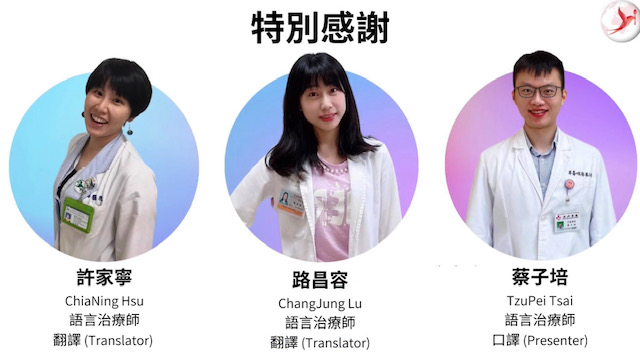
GDM would like to express our heartfelt thanks to the Taiwanese SLP team for their help in translation and presentation of the Taiwanese Minnan Version of the CTAR video.
This Taiwanese Minnan translated CTAR video and blog post are initiative of the Global Dysphagia Movement (GDM).
縮下巴阻抗運動能訓練你的上舌骨肌群,以打開進食通道(上食道括約肌),讓食物順利的進入胃。
The Chin Tuck Againt Resistance (CTAR) exercise works on strengthening the suprahyoid muscles, necessary for opening your upper food pipe sphincter (or known as the upper esophageal sphincter) to allow food to enter the stomach.
Since CTAR was introduced in 2013, Mr Yoon (The CTAR inventor) has been receiving enquiries from clinicians from around the world. We hope that this video will provide the details to facilitate the carrying out of the exercise.
Please LIKE , SHARE and SUBSCRIBE to our channel for more upcoming CTAR series and swallowing exercises tips in different languages. Follow us at our blog at https://dysphagia.sg/news-and-updates/ for more useful informations and tips on dysphagia management.
下載CTAR運動指導的PDF,請點擊下方的連結: (To download a PDF copy of the CTAR exercise instructions):
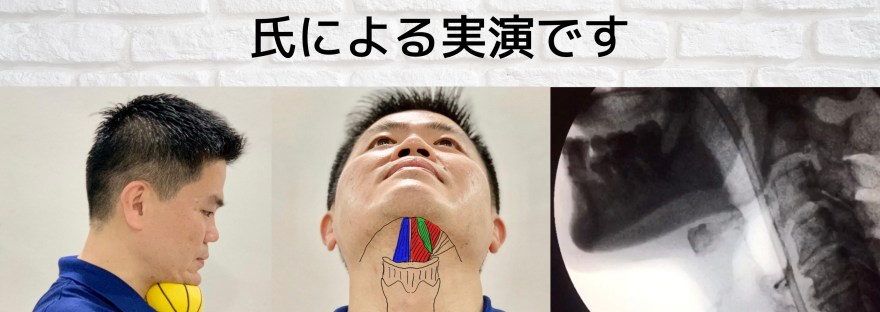
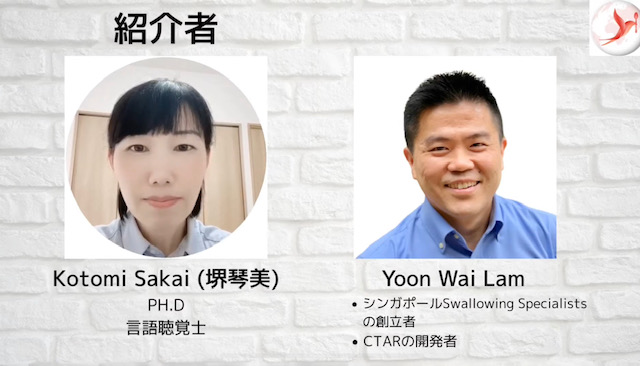
YouTube Video on Japanese CTAR with Rubber BallGDM would like to express our heartfelt thanks to Dr Kotomi Sakai for her help in translation and presentation of the Japanese Version of the CTAR video.
This Japanese translated CTAR video and blog post are initiative of the Global Dysphagia Movement (GDM).
The following is the CTAR exercise instructions. You may download a PDF copy of this instructions at the bottom of this page.
下記にCTARの運動方法が記載してあります。このページの下でそのPDFがダウンロードできます。
Chin Tuck Against Resistance (CTAR) with a Rubber Ball
Purpose: To strengthen the suprahyoid muscles used in swallowing. The suprahyoid muscles are important to open your upper food pipe sphincter (upper esophageal sphincter) to allow food to enter your stomach.
GDM would like to thank Mr Abul for his help in translation and presentation of the Bengali Version of the CTAR video.
This Korean translated CTAR video and blog post are initiative of the Global Dysphagia Movement (GDM).
উল্লেখিত সি টি এ আর ব্যায়ামের নির্দেশাবলী আপনি ডাউনলোড করতে হলে পৃষ্ঠার নিচে চলে যেতে হবে । থেরাপিস্টরা কিউ আর কোড ডাউনলোড করতে পারেন এবং প্রিন্ট করে নিতে পারেন যদি আপনার রুগীকে এই ইউটিঊব ভিডিওটি দেখাতে চান ।
রাবার বলের মাধ্যমে সি টি এ আর থেরাপি
উদ্দেশ্যঃ
সুপ্রাহাইওয়েড মাংসপেশির শক্তিবৃদ্ধির জন্য এবং সুপ্রাহাইওয়েড মাংসপেশির শক্তিবৃদ্ধির মাধ্যমে খাদ্যনালির উপরিভাগের মধ্যদিয়ে খাবার পাকস্থলীর মধ্যে যেতে সাহায্য করে
১। সোজা হয়ে বসা বা দাঁড়ানো অবস্থায় কাঁধটাকে শরীরের পিছনের দিকে তুলে ধরতে হবে এভাবে সঠিক দেহভঙ্গি নিয়ন্ত্রণ করতে হবে
২। থুতনির নিচে বলটি হাত দিয়ে ধরে রাখতে হবে
৩। থুতনির নিচে বলটি রাখার পর থেরাপিস্টের পরামর্শ অনুযায়ী থুতনিকে বলের বিপরীতে চাপ দিয়ে ধরে রাখতে হবে ___ সেকেন্ডের জন্য যতটুকু পর্যন্ত শক্তি প্রয়োগ করা যায়
৪। থেরাপিস্টের পরামর্শ অনুযায়ী __ বার করতে হবে
৫। প্রত্যেকবার ব্যায়াম করার মাঝখানে ১ মিনিট করে বিশ্রাম নিতে হবে
অংশ২ঃরিপিটিটিভসিটিএআরঃ
১। সোজা হয়ে বসা বা দাঁড়ানো অবস্থায় কাঁধটাকে শরীরের পিছনের দিকে তুলে ধরতে হবে এভাবে সঠিক দেহভঙ্গি নিয়ন্ত্রণ করতে হবে
২। থুতনির নিচে বলটি হাত দিয়ে ধরে রাখতে হবে
৩। থুতনির নিচে বলটি রাখার পর থেরাপিস্টের পরামর্শ অনুযায়ী থুতনিকে বলের বিপরীতে চাপ দিয়ে ধরে রাখতে হবে এবং উপরের দিকে থুতনি উঠানো লাগবে
৪। রিপিটিটিভ সি টি এ আর এর ক্ষেত্রে কতবার পুনরাবৃত্তি করতে হবে এবং কতসময় করতে তা একমাত্র একজন গ্রাজুয়েট স্পিচ অ্যান্ড ল্যাঙ্গুয়েজ থেরাপিস্ট নির্ধারণ করবেন
৫। প্রত্যেকবার ব্যায়াম করার মাঝখানে ১ মিনিট করে বিশ্রাম নিতে হবে
ইউটিউব ভিডিওর জন্য-
– আপনার ফোনের ক্যামেরা দিয়ে কিউ আর কোড স্ক্যান করুন
Evaluating the Training Effects of Two Swallowing Rehabilitation Therapies Using Surface Electromyography—Chin Tuck Against Resistance (CTAR) Exercise and the Shaker Exercise
Wei Ping Sze
, Wai Lam Yoon
, Nicolas Escoffier
, Susan J. Rickard Liow
Abstract
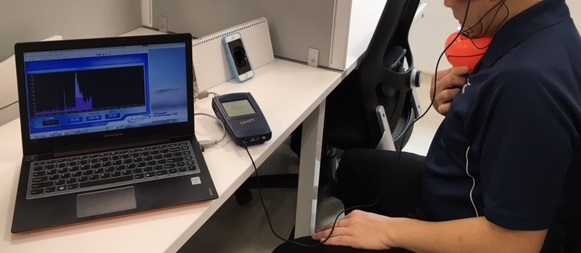
In this study, the efficacy of two dysphagia interventions, the Chin Tuck against Resistance (CTAR) and Shaker exercises, were evaluated based on two principles in exercise science—muscle-specificity and training intensity. Both exercises were developed to strengthen the suprahyoid muscles, whose contractions facilitate the opening of the upper esophageal sphincter, thereby improving bolus transfer. Thirty-nine healthy adults performed two trials of both exercises in counter-balanced order. Surface electromyography (sEMG) recordings were simultaneously collected from suprahyoid muscle group and sternocleidomastoid muscle during the exercises. Converging results using sEMG amplitude analyses suggested that the CTAR was more specific in targeting the suprahyoid muscles than the Shaker exercise. Fatigue analyses on sEMG signals further indicated that the suprahyoid muscle group were equally or significantly fatigued (depending on metric), when participants carried out CTAR compared to the Shaker exercise. Importantly, unlike during Shaker exercise, the sternocleidomastoid muscles were significantly less activated and fatigued during CTAR. Lowering the chin against resistance is therefore sufficiently specific and intense to fatigue the suprahyoid muscles.
JurongHealth Speech Therapy department will be organising a 2 day workshop next year entitled ‘Best Practices in the Management of Oropharyngeal Dysphagia’. The workshop will be conducted by Dr. Catriona Steele and will be held on 20 – 21 May, 2016 at Ng Teng Fong General Hospital, Singapore.
Dr. Catriona M. Steele is a clinician scientist working in the area of swallowing and swallowing disorders. She has a background as a medical speech-language pathologist, and is Director of the Swallowing Rehabilitation Research Laboratory at the Toronto Rehabilitation Institute – University Health Network. Dr. Steele is a Professor in the Department of Speech-Language Pathology at the University of Toronto and is in demand as a teacher and workshop instructor around the world. Dr. Steele holds research funding from the National Institutes of Health (USA) and has more than 100 peer-reviewed publications.
Brief outline of workshop
> Best Practices in the Identification and Assessment of Oropharyngeal Dysphagia
– Sensitivity and specificity of different dysphagia screening tools
– Purpose, protocols and important technical considerations of videofluoroscopy
– Using information from research to quantify observations during a clinical bedside swallowing assessment
> Management and Rehabilitation of Oropharyngeal Dysphagia
– Evidence behind texture modification and postural approaches
– Direct and indirect swallowing/exercise approaches including the use of IOPI and sEMG biofeedback
– Other approaches in the literature: respiratory interventions, electrical stimulation, vibratory stimulation
Estimated cost: $400 – $500 per participant for the full workshop.
Registration Correspondent: Ms Wong Wan Xin
Wong Wan Xin| Speech Therapist, Rehabilitation | Ng Teng Fong General Hospital & Jurong Community Hospital | Jurong Health Services 1 Jurong East Street 21, Singapore 609606 | T: (65) 67161674 | E: Wan_Xin_Wong@juronghealth.com.sg















 Singapore Swallowing Specialists